
close

admin

Education

Should Young Children Engage in Competitive or Recreational Sports for Kids?

Should Young Children Engage in Competitive or Recreational Sports for Kids

Key Takeaways

  • Sports for kids can be structured as either competitive or recreational, each with distinct outcomes.
  • Competitive formats focus on performance, rankings, and structured progression.
  • Recreational formats prioritise participation, enjoyment, and general development.
  • The right choice depends on the child’s age, temperament, and long-term goals.
  • A balanced approach often delivers the most sustainable results.

Introduction

Deciding between competitive and recreational sports for kids is a common concern for parents and educators. Both formats offer value, but they serve different purposes and produce different experiences for young children. Early exposure to structured activities can influence physical development, social behaviour, and long-term attitudes towards sport. The decision is not about which option is universally better, but which is more appropriate at a specific stage of a child’s development. Knowing the distinctions between competitive and recreational participation helps in setting realistic expectations and avoiding unnecessary pressure or disengagement.

The Case For Competitive Sports for Kids

Competitive sports for kids are structured around performance outcomes, rankings, and measurable progress. Children are typically placed in training programmes with defined goals, such as improving technical skills, winning matches, or advancing to higher levels of competition. Coaching in these environments tends to be more intensive, with regular training schedules and performance evaluations. This structure creates a clear sense of purpose and motivation for some children. They learn discipline, resilience, and the ability to handle both success and failure under scrutiny. These environments can also expose children to teamwork dynamics in high-pressure situations, which can be valuable for long-term personal development.

However, competitive settings are not without challenges. The emphasis on results can introduce pressure at an early age, which may lead to stress or reduced enjoyment if not managed properly. Children who are still developing basic coordination and confidence may struggle to keep up with expectations. There is also a risk of early burnout if training intensity outweighs a child’s capacity or interest. For instance, for younger children, especially those still exploring different activities, a highly competitive structure may limit experimentation and reduce intrinsic motivation. Due to this, competitive sports for kids are generally more suitable for those who show a clear interest, readiness for structured routines, and the ability to cope with performance demands.

ALSO READ: How Movement Strengthens Your Child’s Literacy Skills

The Case For Recreational Sports for Kids

Recreational sports for kids focus on participation, enjoyment, and broad skill development rather than outcomes. Sessions are typically less rigid, allowing children to explore movement, build basic coordination, and develop social skills in a low-pressure environment. The emphasis is on inclusion rather than selection, which ensures that children of varying abilities can participate without fear of judgment. This format is particularly effective for younger children who are still developing motor skills and learning how to interact in group settings. It creates a foundation where physical activity is associated with positive experiences, increasing the likelihood of long-term engagement.

Another advantage of recreational participation is flexibility. Children can try multiple activities without being locked into a single pathway, which supports well-rounded development. This exposure helps identify natural interests and strengths over time. Recreational sports for kids also reduce the risk of overtraining and injury, as intensity levels are generally moderated. However, the absence of structured progression may not satisfy children who are highly driven or seeking measurable improvement. For instance, without clear benchmarks, some may lose interest if they do not feel challenged. Therefore, while recreational formats are effective for early stages, they may need to evolve as a child’s interest and capability grow.

Conclusion

Choosing between competitive and recreational sports for kids should be based on the child’s developmental stage, personality, and interest level rather than external expectations. Competitive environments offer structure and growth for those ready to engage with performance demands, while recreational settings provide a safer entry point focused on enjoyment and foundational skills. Starting with recreational participation and gradually introducing competitive elements delivers a balanced progression in many cases. The goal is to ensure that children remain engaged, develop essential skills, and build a positive relationship with physical activity over time.

Contact BearyFun Gym and speak to a team that understands both competitive pathways and recreational development.

read more
Health

Recovery and Aftercare Following Endoscopic Back Surgery

Recovery and Aftercare Following Endoscopic Back Surgery

Key Takeaways

  • Most patients begin walking within hours of the procedure due to the minimal muscle disruption.
  • The tiny incision requires simple care and typically heals much faster than traditional surgical sites.
  • Resuming heavy activities requires a phased approach supervised by a professional medical team.

Introduction

Spinal surgery may seem intimidating, especially with concerns about long recovery times and time away from daily responsibilities. However, modern techniques have improved significantly, allowing faster recovery. A consultation with a back pain specialist can help you understand these options and what to expect. Unlike traditional methods that require large incisions, endoscopic back surgery uses a tiny camera and specialised instruments to fix the issue through a puncture no larger than a fingernail. This precision means the surgeon does not need to cut through major muscle groups, which significantly reduces the pain you feel during the healing phase. Understanding the aftercare process helps you manage your expectations and ensures that your results stay permanent. By following a structured recovery plan, you protect the work done during the operation and build a stronger foundation for your future mobility.

1. Immediate Post-Operative Expectations

The first few hours after endoscopic back surgery usually surprise patients because of how alert and mobile they feel. Since the procedure often involves local or light anaesthesia, you avoid the heavy grogginess associated with major operations. A back pain specialist doctor will typically encourage you to stand and take a few steps shortly after the effects of the medication wear off. You might feel some soreness at the entry site, but the sharp, radiating nerve pain that led you to the clinic often vanishes immediately. Most patients leave the hospital on the same day or the following morning, making this a highly efficient option for busy individuals.

2. Managing the Surgical Site at Home

Because the incision for endoscopic back surgery is so small, wound care is relatively straightforward compared to traditional open surgery. You must keep the small bandage dry and clean for the first few days as the skin edges knit back together. Your back pain specialist doctor will provide specific instructions on when you can safely shower and how to change the dressing if needed. You should watch for any unusual redness or swelling, though complications remain rare due to the minimally invasive nature of the tool used. Avoiding heavy soaking in pools or bathtubs for at least two weeks ensures that the site remains free from infection.

3. Gradual Resumption of Daily Activities

While you might feel ready to jump back into your full routine, you must respect the internal healing timeline of your spine. During the first week after endoscopic back surgery, focus on light walking around your home or office while avoiding heavy lifting or sudden twisting. Your back pain specialist doctor will advise you on the best sitting postures to avoid putting unnecessary pressure on the surgical site. Many people return to sedentary office work within a week, provided they can take regular breaks to stretch and move around. Listening to your body’s signals prevents minor setbacks and ensures that the inflammation continues to subside.

4. Engaging in Targeted Physical Therapy

The true success of your recovery depends on how well you rebuild the supporting muscles around your spine. A few weeks after your endoscopic back surgery, you will likely begin a customised physical therapy programme designed by your medical team. These exercises focus on core stability and flexibility, ensuring that your back can handle the stresses of daily life without injury. A back pain specialist doctor monitors your progress to ensure that you are not overextending yourself too early. These sessions also teach you better ergonomics for your workstation and more efficient ways to lift objects. Strengthening these secondary muscles provides natural support for your spine.

5. Long-Term Maintenance for Spinal Health

Recovering from surgery is an ideal time to reassess your overall lifestyle habits to prevent future issues. Maintaining a healthy weight and staying hydrated helps keep the remaining discs in your spine resilient and cushioned. Your back pain specialist doctor may suggest low-impact activities such as swimming or cycling once you have fully healed from endoscopic back surgery. Regularly performing the stretches you learned in therapy keeps your back supple and reduces the likelihood of stiffness. By treating your recovery as a fresh start, you ensure that the benefits of the surgery last a lifetime. Consistent, small efforts in your daily routine make the difference between a temporary fix and a permanent solution to your back pain.

Conclusion

Completing a successful recovery requires a partnership between you and your surgical team. By choosing endoscopic back surgery, you have already opted for a path that prioritises your comfort and a speedy return to your passions. The guidance of an experienced back pain specialist doctor ensures that every stage of your aftercare remains safe and effective. You no longer have to live in the shadow of chronic discomfort or fear the limitations of a major operation. Instead, you can look forward to a future where you move with ease and participate fully in the vibrant life of our city. This modern approach to spinal care offers a second chance at an active, fulfilling lifestyle without the burden of long-term pain. Take pride in the progress you make and trust the process that leads back to your best self.

Contact Achieve Spine & Orthopaedic Centre to start your personalised journey toward lasting back relief.

read more
Home Improvement

How to Choose a Professional Light Installation Service in Singapore

How to Choose a Professional Light Installation Service in Singapore

Key Takeaways

  • The placement of wall lights transforms the mood and spatial perception of your home.
  • Professional mounting and wiring are essential for both long-term safety and aesthetic finish.
  • Subtle differences in technique separate a high-end expert finish from a basic novice attempt.
  • Integrate lighting into your existing interior design without invasive structural changes.

Introduction

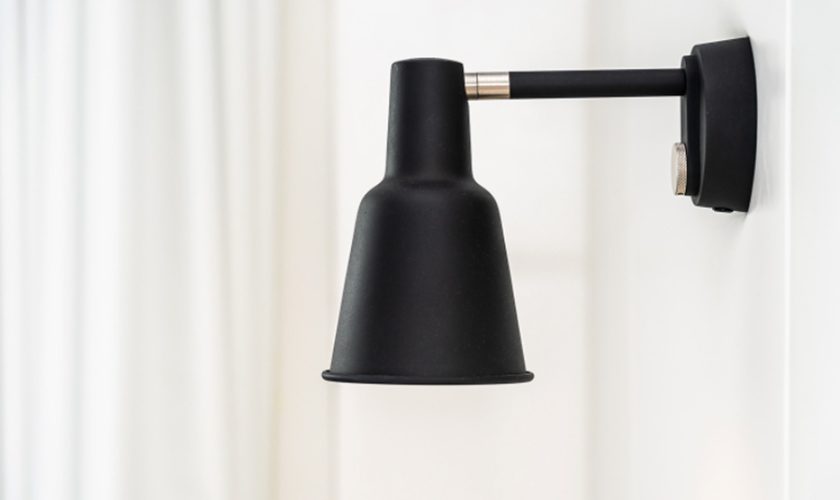
Lighting is described as the jewellery of a home, yet its function goes far beyond simple decoration. The way we illuminate our surroundings can make a compact flat feel like a sprawling sanctuary or a cold, functional box. While many homeowners focus on floor lamps or overhead fixtures, the true secret to a sophisticated interior lies in vertical illumination with wall light installation. By moving away from flat, overhead lighting and embracing layered textures, you can create a home that feels both intentionally designed and effortlessly welcoming.

Creating Depth Through Vertical Illumination

Overhead lights tend to wash out a room, flattening textures and creating harsh shadows in corners. Wall lights, or sconces, provide fill light that bridges the gap between the ceiling and the floor, highlighting architectural features and casting a warm, indirect glow that is much easier on the eyes. By directing light upwards to reflect off the ceiling or downwards to graze a textured wallpaper, you create a sense of height and volume.

The Psychology of Ambient Eye-Level Lighting

Soft, warm light emanating from eye level mimics the natural glow of a sunset, triggering a relaxation response in the brain that overhead office-style lighting cannot achieve. Whether you are highlighting a piece of local art or illuminating a dark corridor for safety, the placement of these fixtures requires a keen eye for balance. A professional installer calculates the beam to ensure it complements the natural rhythm of the room, ensuring that the light serves a purpose.

Why Structural Assessment Matters for Mounting

When observing a wall light installation, the difference between an expert and a novice is about the invisible details of the execution. A novice often approaches the task with a point-and-click mindset, mounting the fixture where it seems roughly correct without considering the structural integrity of the wall or the heat dissipation requirements of the housing. An expert understands the difference between mounting on a concrete load-bearing wall versus a hollow partition. They ensure that the mounting is perfectly level and that the wiring is routed with zero tension to prevent long-term fraying or short circuits.

Ingress Protection and Singapore’s Humidity

Selecting a light installation service in Singapore requires a basic understanding of the local regulatory and environmental landscape. High humidity and specific building codes mean that materials and methods used in other climates may not be suitable. A professional installer will guide you through these technicalities, ensuring that your stylish new sconce doesn’t become a safety hazard after the first monsoon season. They also ensure that all work complies with the standards, which is essential for insurance purposes and general peace of mind.

Configuring Smart Lighting Integrations

Modern homes are increasingly moving toward automated systems where wall lights are dimmed or colour-shifted via a smartphone app. A novice might struggle with the compatibility between the driver, the dimmer switch, and the Wi-Fi mesh. An expert installer configures the hardware flicker-free and instantaneously. This technical expertise transforms a simple hardware installation into a sophisticated home system that responds to your lifestyle needs.

Highlighting Wall Textures and Architectural Features

Strategic placement also involves considering the texture of your walls. If you have a feature wall made of stone or intricate woodwork, a grazing light placed close to the surface will accentuate the shadows and highlights of the material, making it pop. Conversely, a wash light placed further back will soften the appearance of a wall, making a small room feel airier and more open. This level of consultancy turns a functional necessity into a powerful tool for interior transformation.

Conclusion

The journey to a beautifully lit home is paved with small, deliberate choices that prioritise both form and function. A professional light installation service in Singapore provides the technical backbone and creative insight necessary to move beyond basic illumination. By understanding the profound atmospheric impact of wall light installation and recognising the vast difference between an expert finish and a novice attempt, you can make informed decisions that enhance your property’s value and your quality of life. When you invest in professional execution and strategic layering, you transform your house from a place where you simply live into a sanctuary that reflects your personal style and respects the safety of your family.

Ready to see your home in a new light? Contact 81 Electrical for a professional consultation and flawless installation today.

read more
Food

The Unspoken Rules of Opening a Cookies Box in Group Settings

The Unspoken Rules of Opening a Cookies Box in Group Settings

Key Takeaways

  • A cookie box in a group setting is not just food—it becomes a social test of timing, hierarchy, and restraint.
  • People hesitate before opening fresh-baked cookies because they are waiting for invisible permission.
  • The first person to act sets the tone: generous sharing vs quiet hoarding.
  • Portion control, selection order, and even how long you hover matter more than most admit.
  • Mishandling a cookie box can create subtle awkwardness that lingers longer than the cookies themselves.

Introduction

A cookie box placed on a shared table does not stay neutral for long. It quickly becomes a silent negotiation. No one announces rules, yet everyone seems to follow them—or at least notices when someone doesn’t. Add fresh-baked cookies into the mix, and the stakes rise slightly: they are perceived as more valuable, more “limited”, and therefore more socially sensitive. What follows is a series of small, unspoken behaviours that determine whether the moment feels smooth or awkward. This is not about etiquette manuals; it is about how people actually behave when faced with a box of something desirable and finite.

Rule 1: Wait for a Signal (Even If You’re Hungry)

The first rule is hesitation. Once a cookie box appears, most people pause, even if the intention is to share. This pause is not politeness in the traditional sense—it is risk management. No one wants to be the person who assumed incorrectly. The presence of authority figures in professional settings intensifies this delay. If the cookies are clearly labelled as communal, the wait shortens. If not, people scan for cues: eye contact, a casual “help yourself”, or someone physically opening the box. The hesitation tends to be longer with fresh-baked cookies because the perceived value is higher. People instinctively treat them as something that might be “saved” or “distributed properly,” even when no such plan exists.

Rule 2: The First Move Sets the Tone

Whoever opens the cookie box controls more than access—they define acceptable behaviour. If the first person takes one cookie neatly and closes the lid, the group tends to follow a conservative pattern. If they casually pick two and leave the box open, the atmosphere shifts to relaxed consumption. This effect becomes sharper with fresh-baked cookies because others are watching how quickly the supply might run out. The first move answers unspoken questions: Is it okay to take more than one? Should we space ourselves out? Is this a free-for-all or a slow burn? People, in many cases, are not deciding independently—they are mirroring the initial behaviour to avoid standing out.

Rule 3: Do Not Hunt for the “Best” One (At Least Not Obviously)

Every cookie box has a perceived hierarchy—larger pieces, visually richer flavours, or those placed centrally. People notice this instantly. However, openly searching for the “best” cookie violates a subtle norm. Hovering, rearranging, or inspecting multiple pieces signals self-prioritisation, which rarely lands well in a group. The expectation is quick selection: reach, pick, move on. Similarly, with fresh-baked cookies, where textures and toppings may vary more noticeably, the temptation to choose carefully increases—but so does the scrutiny. The socially acceptable compromise is speed with mild randomness, even if internally you have already ranked your options.

Rule 4: One First, Then Reassess

Taking one cookie initially is the safest move in almost every scenario. It signals participation without greed. The second round is where things become more nuanced. People monitor the remaining quantity, who has taken what, and whether others are still waiting. For instance, with a cookie box that is clearly abundant, second helpings come quickly. However, with limited fresh-baked cookies, the group often enters a silent accounting phase. Individuals calculate whether taking another piece will be noticed or judged. Interestingly, once a few people go for seconds, hesitation collapses and consumption accelerates.

Rule 5: The Last Piece Problem

The final cookie in the cookie box is rarely taken immediately. It becomes symbolic. Taking it too soon suggests impatience; leaving it too long creates a standoff. Regardless, in many groups, someone will eventually break the tension with a half-joking comment before taking it. This effect is amplified with fresh-baked cookies because the last piece often looks just as appealing as the first. The “correct” move is less about timing and more about framing—acknowledging the act lightly before committing to it.

Conclusion

Opening a cookie box in a group setting is a small but revealing social exercise. The presence of fresh-baked cookies heightens attention, but the underlying behaviours remain consistent: wait, observe, mirror, and avoid extremes. No one discusses these rules, yet most people recognise them instinctively. Handle the moment well, and it passes unnoticed. Handle it poorly, and it becomes a quiet story retold later—usually without you in the room.

Visit Nasty Cookie to buy fresh-baked cookies that disappear before anyone can overthink the “Should I take one?” moment.

read more
Events

Why Event Planning Failure Happens and Ways to Stop It

Why Event Planning Failure Happens and Ways to Stop It

Key Takeaways

  • Identifying logistical bottlenecks early prevents chaotic atmospheres and guest discomfort.
  • Utilising flexible equipment solutions helps maintain a cohesive aesthetic without high overhead costs.
  • Reliable seating arrangements ensure guest flow remains fluid and organised throughout the venue.
  • Professional coordination of delivery and setup mitigates the risk of last-minute coordination errors.

Introduction

Establishing a cohesive vision for a large gathering requires meticulous attention to every moving part. Many hosts find themselves overwhelmed by the volume of physical assets needed to fill a space effectively. Understanding why event planning failures happen and how to stop them begins with acknowledging that even the most beautiful concept can crumble under poor execution. By addressing these foundational gaps early, you can transform a potential disaster into a seamless experience that feels both professional and welcoming to every attendee.

One of the most frequent reasons a well-intentioned party goes awry is the mismatch between the guest list and the available seating. When hosts rely solely on existing inventory, they often find themselves with a mismatched collection of seats that disrupts the visual flow. Choosing to rent furniture provides a solution that allows for a unified look while ensuring that every individual has a comfortable place to sit. This approach removes the burden of sourcing disparate items from various locations, as a single provider can deliver a curated selection that fits the specific dimensions of your venue.

Potential Issue Impact on Guests Strategic Solution
Insufficient Seating Physical discomfort and crowding Secure a bulk chairs rental order
Mismatched Decor Perception of poor organisation Opt for a uniform furniture suite
Poor Floor Plan Blocked pathways and congestion Professional layout consultation

Managing Visual and Functional Inconsistency

A common pitfall in organising corporate or social functions is the failure to maintain a consistent theme across different zones of the venue. High-quality chair rental services offer more than just a place to sit; they provide the aesthetic glue that holds a room together through uniform colours and materials. When the seating doesn’t match the tables or the overall decor, the space can feel disjointed and unprofessional.

  • Colour Harmony: Ensuring seating tones match the brand or wedding palette.
  • Material Quality: Avoiding worn-out or damaged seating that detracts from the luxury feel.
  • Ergonomics: Providing support that encourages guests to stay through the entire program.

Selecting a professional supplier ensures that every piece of equipment is maintained to a high standard. This level of consistency is difficult to achieve when purchasing items outright, particularly when storage and maintenance are not part of your daily operations.

Streamlining On-Site Logistics and Coordination

The final moments before a function begins are often the most stressful due to delayed deliveries or complicated assembly requirements. If you attempt to manage the transport and setup of heavy items on your own, you risk physical exhaustion and significant delays. Engaging with a dedicated provider to rent furniture simplifies this process because their teams handle the heavy lifting and precise placement of every item according to your floor plan.

  • Site Inspection: Assessing entry points and lift access before delivery.
  • Staging: Positioning items to create natural traffic lanes for attendees.
  • Efficiency: Rapid removal after the event to avoid venue penalty fees.

Having a professional team manage the installation ensures that safety standards are met and the layout is optimised for natural movement. This allows you to focus your energy on guest engagement and program management.

Preventing Last-Minute Availability Issues

Waiting until the final week to secure your equipment is a guaranteed way to encounter stock shortages or limited design options. Many people underestimate how quickly popular styles of chair rental are booked out, especially during peak seasons for weddings and corporate galas. By confirming your requirements early, you secure the specific models that complement your branding or theme, avoiding the need to settle for whatever happens to be left in the warehouse. Proactive booking also allows for better communication regarding delivery windows, ensuring that the setup is completed well before the first guest arrives at the entrance.

Conclusion

Averting a logistical breakdown requires a shift from reactive fixes to proactive planning. When you choose to rent furniture, you gain access to a versatile inventory that adapts to the specific needs of your venue and audience. This flexibility is the hallmark of a successful host who values both form and function. Ensuring that every guest has access to high-quality chair rental items demonstrates a commitment to hospitality that does not go unnoticed. By focusing on these essential elements, you can create an environment that supports your objectives and leaves a positive impression on everyone in attendance.

Contact Events Partner to discuss how professional equipment solutions can elevate your next project.

read more
Food

Exploring the Refined Flavour Profile of Juyondai Sake

Exploring the Refined Flavour Profile of Juyondai Sake

Key Takeaways

  • Juyondai sake is known for its elegant, fruit-forward flavour and silky texture
  • Its balance of sweetness and acidity creates a smooth, lingering finish
  • Subtle aromas evolve with each sip, offering depth without heaviness
  • Appreciating its flavour profile enhances the overall sake experience

Introduction

There’s sake, and then there’s Juyondai. For enthusiasts in Singapore, the name carries a certain quiet prestige. Juyondai sake has a reputation that travels quietly but confidently. It doesn’t shout for attention, yet those who’ve tried it often remember it vividly. There’s something about its balance, its softness, and the way flavours unfold that feels almost deliberate.

In Singapore, where appreciation for Japanese cuisine continues to grow, many are beginning to notice these subtleties. And naturally, curiosity follows. From flavour expectations to even questions like where to buy sake in Singapore, the interest often starts with taste.

So what exactly makes Juyondai so compelling? Let’s take a closer look.

A Symphony of Gentle Notes

At first sip, Juyondai greets the palate with a delicate sweetness. It’s not sugary or heavy. Instead, it leans towards natural fruit tones. Think ripe pear, a touch of melon, maybe even a whisper of white peach.

These flavours don’t arrive all at once. They unfold gradually, almost like layers being revealed. One moment it feels crisp and clean, the next there’s a rounded softness that lingers. It’s one of the reasons why Juyondai sake price in Singapore is steep.

That balance is key. The acidity is present but subtle, just enough to keep the sweetness in check. The result is a harmony that feels effortless. Nothing dominates. Everything coexists.

Texture That Speaks Softly

Flavour is only part of the story. Texture, often overlooked, plays a huge role in Juyondai’s appeal.

It’s smooth. Silky, even. There’s a lightness that glides across the tongue without feeling thin. Some describe it as almost weightless, yet it still carries depth.

You know what? That’s where the magic sits. A sake that feels gentle but doesn’t fade away too quickly. It lingers just enough to leave an impression, then quietly steps back.

This tactile quality often surprises first-time drinkers. It’s subtle, but once noticed, it’s hard to forget.

Aroma: The Quiet Invitation

Before the first sip, the aroma sets the stage. Juyondai tends to offer a fragrant nose that feels inviting but never overpowering.

Fruity notes lead the way, often accompanied by a faint floral hint. It’s the kind of aroma that makes you pause for a second longer than expected. Not because it’s intense, but because it feels… refined.

Interestingly, the aroma evolves slightly as the sake warms in the glass. What begins as bright and fresh can soften into something more rounded and mellow. It’s a small shift, but it adds to the overall experience.

Why the Flavour Lingers in Memory

There’s a reason people return to Juyondai. It’s not just about the first impression. It’s about how the experience stays with you.

The finish is clean, almost polished. No harshness, no abrupt ending. Just a gentle fade that encourages another sip. And then another.

Even discussions around the Juyondai sake price in Singapore often circle back to this point. The value isn’t just in rarity. It’s in the experience itself, the kind that feels consistent from start to finish.

In a way, Juyondai doesn’t try to impress. It simply delivers, quietly and confidently.

Conclusion

Juyondai sake stands out not because it overwhelms, but because it refines. Its fruit-forward notes, smooth texture, and balanced finish create an experience that feels complete yet never heavy.

For those looking for where to buy sake in Singapore, understanding this flavour profile adds depth to every sip. It turns a simple drink into something more thoughtful, more memorable.

To experience this level of craftsmanship firsthand, reach out to Life and Liquor and explore their curated selection of premium sake.

read more
Auto

Is 6-Month Leasing Closer to Ownership or Renting?

Is 6 Month Leasing Closer to Ownership or Renting

Key Takeaways

  • Car leasing sits between ownership and renting, but a 6-month lease leans slightly closer to structured renting with added responsibility
  • Car leasing for 6 months offers more stability than daily or monthly rentals but lacks the long-term financial benefits of ownership
  • Cost structure, commitment level, and usage expectations determine whether it behaves more like renting or ownership
  • Drivers must evaluate flexibility versus cost efficiency when choosing short-term leasing

Introduction

Car leasing in the city-state is often positioned as a middle ground between owning a vehicle and renting one. However, when the lease duration is shortened to six months, the distinction becomes less clear. Car leasing for 6 months introduces a hybrid model that combines elements of both renting and ownership, but not always evenly. Knowing where it truly sits requires looking at cost structure, commitment level, and behavioural expectations rather than relying on labels.

Cost Structure

From a financial standpoint, car leasing for 6 months resembles renting more than ownership. Monthly costs are typically higher on a pro-rated basis compared to long-term leases, as providers price in flexibility and higher turnover risk. Unlike ownership, there is no asset accumulation or resale value to offset these expenses. This quality makes the financial outcome closer to renting, where payments are purely for usage rather than equity.

However, compared to daily or short-term rentals, car leasing still provides a more predictable and bundled pricing structure. Maintenance, insurance, and road tax are usually included, reducing variable costs. This structured packaging is a characteristic of leasing rather than traditional renting, even if the cost efficiency does not match longer commitments.

Commitment Level

A key distinction lies in commitment. Renting is typically flexible, allowing termination with minimal notice. Ownership, on the other hand, involves long-term financial obligations. Car leasing for 6 months falls between these extremes. While the duration is short, the agreement itself is still contractual and binding.

Drivers cannot exit freely without penalties, which introduces a level of commitment closer to ownership than renting. Simultaneously, the limited six-month horizon prevents long-term lock-in. This instance creates a controlled commitment structure: short in duration but firm in obligation. This balance is the primary appeal of car leasing for many users.

Usage Behaviour

How drivers treat the vehicle also reveals whether a 6-month lease aligns more with renting or ownership. Users with daily rentals often prioritise convenience over care, knowing the vehicle will be returned quickly. Ownership encourages long-term maintenance and careful use.

Car leasing for 6 months tends to push behaviour closer to ownership. Drivers are responsible for the vehicle over a sustained period, and wear-and-tear conditions are usually enforced at return. This instance discourages careless use and encourages consistent upkeep. While the car is not owned, the duration is long enough to establish a sense of responsibility that is absent in short-term rentals.

Flexibility

Flexibility is where the hybrid nature becomes most visible. Renting offers maximum flexibility, while ownership offers minimal. Car leasing in Singapore, particularly for six months, provides moderate flexibility. It allows drivers to commit without locking into multi-year agreements, which is useful for transitional periods such as job changes, relocations, or temporary projects.

However, it is still less flexible than renting due to fixed terms and penalties for early termination. This instance positions car leasing for 6 months as a structured alternative rather than a fully flexible one. Users gain predictability at the cost of immediate exit options.

So, Is It Closer to Ownership or Renting?

In practical terms, car leasing for 6 months leans slightly closer to renting in financial outcome but closer to ownership in behaviour and responsibility. You pay for usage without building value, which mirrors renting. Similarly, you manage the vehicle over a sustained period with contractual obligations, which reflects ownership-like discipline.

This dual nature is why car leasing continues to appeal to drivers who need stability without long-term commitment. It is not a perfect substitute for either model, but rather a controlled compromise between the two.

Conclusion

A 6-month lease is best understood as structured renting with elements of ownership layered in. It delivers predictability and responsibility without the long-term financial exposure of buying a car. That said, for drivers navigating temporary needs or uncertain timelines, it provides a balanced solution, but not necessarily the most cost-efficient one. The decision ultimately depends on whether flexibility or long-term value is the priority.

Contact Eurokars Leasing and choose a mobility plan that gives you control without unnecessary complexity.

read more
Real Estate

3 Best-Kept Secrets for a Smooth Short-Term Stay in Singapore

3 Best Kept Secrets for a Smooth Short Term Stay in Singapore

The prospect of moving to a new city, even temporarily, can often feel like seeing a complex maze. Whether you are relocating for a project, taking an extended holiday, or simply need a transition space, ensuring a seamless experience is paramount. Hotel apartments in Singapore have become a popular option for many international professionals and families, offering a flexible and comfortable alternative to traditional leasing. Here are the simple yet often overlooked strategies for making your temporary home feel perfectly familiar and stress-free.

1. Prioritise Location Over Size for Optimal City Access

Many people immediately focus on the square footage of their temporary residence, but the true secret to an efficient short-term stay lies in its proximity to essential amenities and transport links. Singapore is a highly connected city, yet commuting time can still eat into your day if you are poorly situated. Look for residences near a major Mass Rapid Transit (MRT) station. This strategic positioning drastically reduces travel time and opens up the entire island for exploration. For those seeking accommodation with more autonomy, considering hotel apartments in Singapore near business districts or cultural hubs means less time commuting and more time enjoying what the city has to offer. A smaller, well-located unit will invariably provide a higher quality of life than a larger unit further afield.

2. The Unwritten Rules of Serviced Living

For instance, some hotel apartments in Singapore include regular laundry service, while others may only provide communal facilities. Ask direct questions about the frequency of housekeeping, utility cap limits, and the availability of maintenance. When opting for a short-term stay in Singapore, you are often entering the realm of serviced apartments. This choice bridges the gap between a hotel’s convenience and an apartment’s practicality. However, the secret here is understanding the included services and managing expectations. Clarifying these operational details upfront prevents surprises and allows you to budget and plan your domestic routines effectively. This form of temporary housing is designed for efficiency, but you must know how to leverage its features fully.

3. Leverage Community Spaces for Networking and Settling In

One of the most valuable, yet least utilised, aspects of choosing hotel apartments in Singapore or serviced residences is access to shared amenities. Many complexes offer co-working areas, swimming pools, gyms, and communal lounges. These spaces are not merely recreational; they are vital hubs for social integration and networking. For a successful short-term stay in Singapore, make a conscious effort to use these facilities. Engaging with neighbours and other temporary residents is a secret weapon for quickly gaining local insights, finding reliable service providers, and building a support network that makes the city feel smaller and more welcoming. This community-focused approach helps transform a mere rental unit into a genuine temporary home.

Conclusion

Achieving a truly comfortable and productive temporary residence hinges not just on securing a space but on implementing smart, practical strategies. By focusing on a prime location, fully understanding the serviced living model, and actively engaging with community amenities, your short-term stay in Singapore will feel effortless. These insights are the foundation for a seamless transition, allowing you to focus on your purpose in the city, whether it is work or leisure.

Ultimately, the goal is to make your temporary accommodation feel like a true home away from home. The flexibility and convenience inherent in quality hotel apartments in Singapore should be fully leveraged. Remember to research proximity to public transport, clearly define the scope of services provided, and utilise the communal facilities to build connections. By keeping these elements in mind, you unlock the secret to a smooth, efficient, and ultimately enriching experience in one of Asia’s most dynamic cities.

Contact Coliwoo to explore their range of flexible and strategically located serviced apartment options today.

read more
Food

7 Things to Look for When Ordering a Pastry Box From a French Bakery in Singapore

7 Things to Look for When Ordering a Pastry Box From a French Bakery in Singapore

Key Takeaways

  • Butter Standards: Authentic French bakeries prioritise AOP-certified butter to achieve the signature nutty aroma and distinct honeycomb internal structure in laminated doughs.
  • Curated Variety: Optimal selections balance traditional classics like pain au chocolat with regional inspirations to cater to the diverse palates found across Singapore.
  • Structural Integrity: Premium providers use custom-fitted packaging and moisture-wicking liners to protect delicate layers from losing their crispness in high tropical humidity.

Introduction

The rise of elevated gifting in the local corporate and social sectors has transformed the humble morning treat into a sophisticated culinary statement. Discerning hosts increasingly seek out a French bakery in Singapore to provide curated selections that marry traditional European techniques with modern aesthetic appeal. While these artisanal creations look exquisite in a climate-controlled boutique, the intense tropical heat remains a constant challenge for maintaining delicate textures during transit. Selecting the right assortment requires more than a simple glance at a digital menu to ensure the final delivery retains its intended crunch and flavour. These seven essential criteria help identify a superior collection that will impress colleagues and guests alike during any high tea or meeting.

1. Verifying the Use of AOP Certified Butter

The fundamental quality of any laminated pastry depends entirely on the technical grade of the fats used during the folding process. Specialist bakers insist on AOP-certified butter from specific regions in France because its high melting point and consistent fat content create superior flaky layers. This specific ingredient ensures that a croissant remains fragrant and light rather than becoming unpleasantly greasy when consumed at room temperature. Inquiring about the provenance of the dairy used provides an immediate indication of whether the establishment adheres to the rigorous standards of traditional patisserie.

2. Assessing Diversity in Pastry Textures

A well-constructed assortment should offer a range of mouthfeels to keep the tasting experience engaging for every person in the group. Professional boxes of pastries typically include a combination of shattered-glass flakiness from puff pastry, the crumbly snap of shortcrust tart bases, and the airy lightness of choux pastry. Relying solely on bread-like textures results in a heavy experience that lacks the refinement expected from a high-end French provider. Ensuring a mix of these elements demonstrates a high level of craftsmanship and provides a balanced snack that does not feel repetitive.

3. Seeking a Balance of Traditional and Local Flavours

Modern menus in the city often bridge the gap between Parisian heritage and local preferences by introducing subtle regional influences. A balanced selection might feature a classic almond-filled option alongside contemporary iterations incorporating ingredients like lychee, rose, or dark chocolate. This variety ensures that the box appeals to traditionalists while offering something novel for those who enjoy experimental flavour profiles. Checking for this thoughtful curation prevents the selection from feeling dated or uninspired during a recurring office tea break.

4. Understanding Bake-to-Order Timelines

The window of peak freshness for a handmade pastry is remarkably short, often lasting only a few hours after the item leaves the oven. Reputable providers operate on strict schedules where items are cooled and boxed immediately before the scheduled delivery time to preserve their structural integrity. It is important to avoid services that cannot guarantee a specific baking window, as pre-packed items often suffer from softened crusts. Verifying that the bakery follows a bespoke production timeline ensures that the goods arrive with their characteristic crispness intact.

5. Choosing the Correct Portion Sizes for the Occasion

The intended setting for the gathering should dictate whether full-sized artisanal pieces or miniature versions are more appropriate for the guest list. Smaller formats are ideal for networking events or long meetings where guests prefer to sample multiple items without committing to a heavy meal. Conversely, standard sizes make a more significant visual impact when sent as a formal thank-you gift or served at an intimate celebration. Most professional establishments allow for customisable counts to ensure the quantity perfectly matches the number of attendees.

6. Evaluating Packaging and Environmental Control

Singapore’s humidity can turn a crisp pastry soggy within minutes if the packaging does not allow for proper airflow and moisture management. Superior boxes feature rigid walls to prevent crushing and include liners designed to wick away excess steam from freshly baked goods. For items containing fresh cream or delicate custards, the provider should offer temperature-controlled transport to prevent spoilage or melting. Examining the quality of the delivery containers is just as vital as assessing the food itself when ordering for a remote location.

7. Confirming Chef Expertise and Technical Training

The consistency of a complex lamination process relies heavily on the formal training and experience of the head baker. Many leading boutiques are managed by professionals who have spent years mastering the art of slow fermentation and precise temperature control in classical environments. Whether the brand is a global name or a small independent shop, a commitment to handcrafted methods over industrial shortcuts is evident in the final product. Choosing a provider with verifiable credentials ensures that the investment results in a truly authentic gastronomic experience.

Conclusion

Selecting a premium collection of baked goods involves a careful evaluation of ingredient quality and the logistics of tropical delivery. Prioritising authentic butter and professional packaging guarantees that the items served represent the true heights of European culinary skill. By focusing on these technical details, any host can transform a simple break into a memorable occasion defined by elegance and taste.

Hosting a morning meeting? Contact Delifrance Singapore today to browse our pastry boxes!

read more
Cleaning

4 Household Habits That Lead to Mould Damage

4 Household Habits That Lead to Mould Damage

Key Takeaways

  • Everyday household routines can unintentionally create the conditions that lead to mould damage.
  • Poor ventilation, trapped moisture, and delayed maintenance allow mould spores to spread through surfaces and materials.
  • Habits such as drying laundry indoors or ignoring minor leaks significantly increase indoor moisture levels.
  • Early behavioural changes can reduce the risk of serious contamination that may require professional mould remediation.
  • Preventing mould growth is far more cost-effective than repairing structural or material damage after it spreads.

Introduction

Mould problems rarely begin with a major disaster. Mould damage, in most homes, develops slowly due to daily habits that increase indoor moisture levels or trap humidity in enclosed spaces. Mould spores are naturally present in the environment, but they multiply rapidly when they find damp surfaces such as walls, ceilings, wood, fabric, or insulation. Over time, this growth can damage building materials, produce persistent odours, and compromise indoor air quality.

Many homeowners assume mould growth is caused only by flooding or severe water leaks. In reality, routine behaviours within the home can create the same conditions that allow mould colonies to form and spread. Once these habits continue unchecked, minor mould growth can evolve into widespread mould damage that eventually requires professional mould remediation to remove contamination and restore affected surfaces.

Knowing which daily behaviours contribute to mould growth is an important step in preventing long-term structural and environmental problems.

1. Drying Laundry Indoors Without Proper Ventilation

One of the most common household habits that leads to mould damage is drying laundry indoors without sufficient ventilation. Once wet clothing is hung inside rooms or hallways, large amounts of moisture evaporate into the air. That said, in poorly ventilated spaces, this moisture settles on walls, ceilings, window frames, and furniture surfaces.

Over time, the repeated introduction of humidity creates damp conditions where mould spores can thrive. Corners of rooms, areas behind furniture, and ceiling edges are particularly vulnerable because airflow is limited. Condensation from indoor drying can also accumulate around window frames and plaster surfaces, accelerating the development of mould patches.

While indoor drying may seem harmless, the consistent release of moisture into enclosed environments significantly increases the risk of widespread mould growth. Additionally, without adequate airflow or dehumidification, the resulting mould damage may spread across multiple surfaces and require professional mould remediation to eliminate hidden contamination.

2. Ignoring Minor Plumbing Leaks

Small plumbing leaks are frequently underestimated by homeowners, yet they are one of the leading contributors to mould damage inside residential properties. Slow drips under sinks, leaking pipe joints, or minor water seepage behind washing machines often go unnoticed for extended periods.

These leaks create continuous moisture exposure within cabinets, wall cavities, and flooring structures. Since these areas are rarely inspected, mould colonies can grow undetected and gradually spread behind walls or beneath surfaces. The damage may already be extensive by the time visible staining or odour appears.

Even minor leaks that seem insignificant can sustain damp conditions for weeks or months. The longer these leaks persist, the greater the likelihood that hidden mould growth will require specialised mould remediation techniques to remove contamination and restore affected building materials.

3. Blocking Airflow in High-Moisture Areas

Another common household habit that encourages mould damage is obstructing airflow in areas that naturally produce moisture. Bathrooms, kitchens, and laundry areas generate humidity through daily activities such as showering, cooking, and washing.

Once ventilation systems are inadequate or blocked by furniture, cabinets, or closed doors, moisture remains trapped within the space. Warm, humid air then condenses on cooler surfaces such as tiles, grout lines, ceilings, and painted walls. These damp surfaces create an ideal environment for mould spores to multiply.

Bathrooms without functioning exhaust fans are particularly vulnerable. After all, without proper airflow, steam accumulates quickly and settles on surfaces that remain damp long after use. Over time, persistent humidity leads to visible mould damage, especially around ceiling corners, silicone seals, and grout lines.

Preventing this type of mould growth requires maintaining proper ventilation and allowing humid air to escape rather than remain trapped indoors.

4. Delaying the Cleanup of Water Spills or Flooding

Prompt cleanup is critical when water spills or minor flooding occur inside a home. However, many homeowners delay drying wet carpets, upholstery, or flooring after small accidents such as appliance leaks, overturned containers, or minor flooding from clogged drains.

Once moisture remains trapped in porous materials, mould spores can begin growing within 24 to 48 hours. Carpets, wooden flooring, and insulation are particularly vulnerable because they absorb water quickly and dry slowly.

Once mould colonies establish themselves within these materials, surface cleaning is rarely sufficient. The contamination may spread beneath flooring layers or inside wall cavities, creating deeper structural mould damage that requires professional mould remediation to address safely and effectively.

Acting quickly to dry affected materials and restore proper indoor humidity levels is essential to preventing mould from developing after water exposure.

Conclusion

Mould problems are not the result of major water disasters but rather everyday habits that gradually introduce moisture into indoor environments. Drying laundry indoors without ventilation, ignoring small plumbing leaks, blocking airflow in humid areas, and delaying water cleanup are all behaviours that create conditions where mould spores can thrive.

Once mould growth becomes established, the resulting mould damage can spread across surfaces and building materials, often requiring specialised mould remediation to remove contamination and prevent recurrence. Remember, by recognising these common habits and making practical adjustments, homeowners can significantly reduce the risk of mould development and maintain healthier indoor environments.

Visit BELFOR to begin safe, effective mould remediation before hidden damage worsens.

read more
1 5 6 7 8 9 29
Page 7 of 29