close

April 2026

Education

How a Chinese Learning App Can Improve Language Retention

How a Chinese Learning App Can Improve Language Retention

Key Takeaways

  • Interactive digital platforms utilise spaced repetition and gamification to help children retain complex Chinese characters and tones.
  • Digital tools provide immediate feedback on pronunciation and stroke order, which prevents the formation of incorrect linguistic habits.
  • Consistent, short bursts of engagement with a mobile application create a sustainable learning routine that traditional weekly classes often lack.

Introduction

Acquiring a second language during childhood requires a structured environment that reinforces memory through varied stimuli. For parents who want their children to learn Chinese online, the challenge often lies in maintaining their interest while ensuring the brain encodes new information into long-term storage. A dedicated Chinese learning app specifically designed for children addresses this by converting abstract symbols into interactive experiences. By combining auditory, visual, and tactile inputs, these digital tools engage multiple neural pathways simultaneously. This multi-sensory approach proves particularly effective for Mandarin, where the distinction between tones and the intricate structure of characters requires high levels of cognitive focus and frequent reinforcement.

The Mechanics of Spaced Repetition and Gamification

Most successful digital platforms for children employ a psychological technique known as spaced repetition to combat the forgetting curve. A Chinese learning app tracks a child’s progress and reintroduces specific vocabulary or sentence structures just as the memory begins to fade. This systematic review ensures that the child does not simply memorise words for a short-term test but builds a permanent mental lexicon. Providers such as CommonTown develop educational software that integrates these algorithms into the background, allowing the child to focus on play while the system handles the cognitive load of scheduling reviews. By gradually increasing the intervals between successful recalls, the software cements the language in the child’s mind without causing the fatigue associated with rote memorisation.

Gamification serves as the second pillar of retention by providing the emotional motivation necessary for consistent practice. When children learn Chinese online through a platform that rewards progress with points, badges, or unlocked stories, they associate the language with positive reinforcement. This dopamine-driven feedback loop encourages daily usage, which is a critical factor in language acquisition. CommonTown focuses on creating narrative-driven modules where the child must use their linguistic skills to solve problems or advance a character’s journey. This contextual learning ensures that the child understands the application of the language rather than just isolated definitions. When a child enjoys the process, they remain focused for longer periods, leading to deeper neural encoding and a significantly lower rate of attrition.

Precision Feedback and Structural Mastery

Mastering Mandarin involves peculiar challenges, such as the correct execution of stroke order and the subtle pitch variations of the four tones. A Chinese learning app provides immediate, automated feedback that a human tutor might miss during a busy group session. For instance, voice recognition technology analyses a child’s speech and provides visual cues to correct tonal inaccuracies in real-time. This immediate correction prevents fossilisation, where a learner repeatedly makes the same mistake until it becomes a permanent habit. CommonTown incorporates these diagnostic tools to help children refine their pronunciation independently. This autonomy builds confidence, as children can experiment with sounds in a low-pressure, private environment before using them in social situations.

Furthermore, the digital tracing of characters helps children internalise the radical system that forms the basis of Chinese writing. By forcing the child to follow the correct sequence of strokes, the software builds muscle memory that translates to better handwriting and character recognition. Many families who choose to learn Chinese online appreciate how these apps break down complex characters into manageable parts, showing the logical evolution of the script. CommonTown designs interfaces that are intuitive for young fingers, ensuring that the technical requirements do not overshadow the educational content. This combination of structural rigour and child-friendly design ensures that the learner develops a holistic understanding of the language. As children master these foundational elements, they develop the resilience needed to tackle more advanced literature and conversation in the future.

5 Features that Support Long-Term Memory

  • Adaptive Difficulty – The software adjusts the complexity of tasks based on the child’s previous performance to maintain the optimal challenge level.
  • Multimedia Storytelling – Animated videos and audio narrations provide a rich cultural context that makes vocabulary more memorable.
  • Progress Tracking – Detailed dashboards enable parents to monitor which words their child has mastered and which require further attention.
  • Offline Access – Some modules allow for learning without an internet connection, ensuring the child can practice during travel or in different environments.
  • Interactive Writing Pads – Digital canvas features guide the child through character construction with haptic feedback and visual prompts.

Conclusion

Integrating a Chinese learning app into a child’s educational routine offers a scientifically grounded method for improving language retention. By moving away from passive consumption and toward active, gamified engagement, children develop a deeper connection to the language. CommonTown remains committed to developing tools that respect the cognitive development of young learners while providing a sturdy framework for bilingualism. As the world becomes more interconnected, the ability to retain and use Mandarin will provide children with significant cultural and professional advantages. Investing in a reliable digital learning companion today ensures that the language becomes a natural part of the child’s identity rather than a fleeting academic requirement.

Contact CommonTown to explore our specialised Chinese learning solutions for young students.

read more
Food

Why Stilton is Called the “King of Cheeses”: Everything You Need to Know

Why Stilton is Called the King of Cheeses Everything You Need to Know

Key Takeaways

  • Authentic Stilton cheeses are produced in three specific English counties under strict regulatory protection.
  • The delicate balance of creamy texture and piquant blue veining defines a premium wheel.
  • Subconscious factors drive connoisseurs to choose traditional blue cheeses over modern alternatives.
  • Pair and serve this “King of Cheeses” to maximise its complex flavour profile in various settings.

Introduction

There are a few foods that command as much respect and historical reverence as Stilton cheese. Often referred to as the “King of Cheeses,” this British icon is a protected heritage product with a lineage that stretches back centuries. To the uninitiated, the intense blue veins and crumbly texture are the hallmarks of a sophisticated fermentation process. Whether you are hosting a formal dinner or simply looking to elevate a weekend snack, understanding the nuances of Stilton is the first step in appreciating one of the world’s most complex dairy products.

Status and Regional Protection

Stilton cheese is one of the most legally protected foods in the United Kingdom. This cheese is only produced in the counties of Derbyshire, Leicestershire, and Nottinghamshire. The milk used must be local and pasteurised, and the cheese must be allowed to form its own coat or crust. This strict adherence to geography and method ensures that every wedge maintains a consistent standard of quality.

The Science of Microbial Maturation

Stilton is allowed to drain under its own weight, creating a more open, crumbly texture. As the cheese matures, stainless steel needles pierce the rind, allowing air to enter the core. This oxygen triggers the growth of the characteristic blue veins. This intersection of human intervention and natural fungal growth results in a cheese that is ivory-white in its youth but develops its famous piquant character as it ages toward the twelve-week mark.

The Allure of Complex and Acquired Tastes

When consumers stand before a cheese counter, the decision to reach for a wedge of Stilton cheese is driven by a complex set of psychological factors. Choosing Stilton often signals a transition in the consumer’s palate to embrace acquired tastes. The intense, pungent aroma of Stilton triggers a sensory challenge. The brain must reconcile a smell that traditionally signals spoilage with a taste that is famously delicious and safe.

Ritualistic Consumption and Slow Dining

The decision to buy Stilton is made for occasions that require presence. The consumer is buying an experience of slow time. Subconsciously, the crumbly texture and slow-melting fat content of the cheese force the eater to slow down. This psychological reward is what creates such high brand loyalty among Stilton enthusiasts, setting it apart from more utilitarian cheeses.

Identifying the Perfect Texture and Aroma

To appreciate Stilton, one must understand its sensory architecture. A high-quality specimen should have a rich, creamy background that provides a foil to the sharp, metallic tang of the blue veins. The texture should be firm but yield easily to the knife, crumbling into moist nuggets rather than dry flakes. As the cheese warms to room temperature, the fats begin to soften, and the aroma becomes more pronounced.

Evaluating the Rind and Moisture Levels

The rind of the cheese is also a vital, though often ignored, part of the experience. While not usually eaten by everyone, the natural crust provides a protective barrier that influences the internal moisture levels. A healthy rind should be greyish-brown and slightly wrinkled. If the cheese inside appears too yellow, it may be overly matured or exposed to too much oxygen; if it is too white, it may be under-aged and lacking in character.

Stilton as a Structural Culinary Ingredient

In contemporary cooking, Stilton serves as a powerful flavour enhancer. It melts beautifully without becoming stringy; it can be folded into risottos or mashed potatoes to add a deep, umami-rich complexity. The key to successful integration is restraint, because the flavour is so dominant, a small amount goes a long way. By viewing the cheese as a seasoning tool as much as a standalone course, the modern cook can add a layer of British tradition to a vast array of global cuisines.

Conclusion

Navigating the world of artisanal dairy requires a blend of knowledge and curiosity. By understanding that Stilton cheese is a product of both strict geographic regulation and meticulous microbial management, you can better appreciate why it remains the benchmark for blue cheeses worldwide. Ultimately, Stilton is a testament to the idea that some things are worth doing slowly and according to tradition. When you choose a wedge of authentic Stilton, you are supporting a legacy of British craftsmanship that continues to flourish in a fast-paced, industrial world.

Hosting a dinner that needs a grand finale? Get in touch with Cheeselads and learn why Stilton is the ultimate choice for a memorable British cheeseboard today.

read more
Education

Should Young Children Engage in Competitive or Recreational Sports for Kids?

Should Young Children Engage in Competitive or Recreational Sports for Kids

Key Takeaways

  • Sports for kids can be structured as either competitive or recreational, each with distinct outcomes.
  • Competitive formats focus on performance, rankings, and structured progression.
  • Recreational formats prioritise participation, enjoyment, and general development.
  • The right choice depends on the child’s age, temperament, and long-term goals.
  • A balanced approach often delivers the most sustainable results.

Introduction

Deciding between competitive and recreational sports for kids is a common concern for parents and educators. Both formats offer value, but they serve different purposes and produce different experiences for young children. Early exposure to structured activities can influence physical development, social behaviour, and long-term attitudes towards sport. The decision is not about which option is universally better, but which is more appropriate at a specific stage of a child’s development. Knowing the distinctions between competitive and recreational participation helps in setting realistic expectations and avoiding unnecessary pressure or disengagement.

The Case For Competitive Sports for Kids

Competitive sports for kids are structured around performance outcomes, rankings, and measurable progress. Children are typically placed in training programmes with defined goals, such as improving technical skills, winning matches, or advancing to higher levels of competition. Coaching in these environments tends to be more intensive, with regular training schedules and performance evaluations. This structure creates a clear sense of purpose and motivation for some children. They learn discipline, resilience, and the ability to handle both success and failure under scrutiny. These environments can also expose children to teamwork dynamics in high-pressure situations, which can be valuable for long-term personal development.

However, competitive settings are not without challenges. The emphasis on results can introduce pressure at an early age, which may lead to stress or reduced enjoyment if not managed properly. Children who are still developing basic coordination and confidence may struggle to keep up with expectations. There is also a risk of early burnout if training intensity outweighs a child’s capacity or interest. For instance, for younger children, especially those still exploring different activities, a highly competitive structure may limit experimentation and reduce intrinsic motivation. Due to this, competitive sports for kids are generally more suitable for those who show a clear interest, readiness for structured routines, and the ability to cope with performance demands.

ALSO READ: How Movement Strengthens Your Child’s Literacy Skills

The Case For Recreational Sports for Kids

Recreational sports for kids focus on participation, enjoyment, and broad skill development rather than outcomes. Sessions are typically less rigid, allowing children to explore movement, build basic coordination, and develop social skills in a low-pressure environment. The emphasis is on inclusion rather than selection, which ensures that children of varying abilities can participate without fear of judgment. This format is particularly effective for younger children who are still developing motor skills and learning how to interact in group settings. It creates a foundation where physical activity is associated with positive experiences, increasing the likelihood of long-term engagement.

Another advantage of recreational participation is flexibility. Children can try multiple activities without being locked into a single pathway, which supports well-rounded development. This exposure helps identify natural interests and strengths over time. Recreational sports for kids also reduce the risk of overtraining and injury, as intensity levels are generally moderated. However, the absence of structured progression may not satisfy children who are highly driven or seeking measurable improvement. For instance, without clear benchmarks, some may lose interest if they do not feel challenged. Therefore, while recreational formats are effective for early stages, they may need to evolve as a child’s interest and capability grow.

Conclusion

Choosing between competitive and recreational sports for kids should be based on the child’s developmental stage, personality, and interest level rather than external expectations. Competitive environments offer structure and growth for those ready to engage with performance demands, while recreational settings provide a safer entry point focused on enjoyment and foundational skills. Starting with recreational participation and gradually introducing competitive elements delivers a balanced progression in many cases. The goal is to ensure that children remain engaged, develop essential skills, and build a positive relationship with physical activity over time.

Contact BearyFun Gym and speak to a team that understands both competitive pathways and recreational development.

read more
Health

Recovery and Aftercare Following Endoscopic Back Surgery

Recovery and Aftercare Following Endoscopic Back Surgery

Key Takeaways

  • Most patients begin walking within hours of the procedure due to the minimal muscle disruption.
  • The tiny incision requires simple care and typically heals much faster than traditional surgical sites.
  • Resuming heavy activities requires a phased approach supervised by a professional medical team.

Introduction

Spinal surgery may seem intimidating, especially with concerns about long recovery times and time away from daily responsibilities. However, modern techniques have improved significantly, allowing faster recovery. A consultation with a back pain specialist can help you understand these options and what to expect. Unlike traditional methods that require large incisions, endoscopic back surgery uses a tiny camera and specialised instruments to fix the issue through a puncture no larger than a fingernail. This precision means the surgeon does not need to cut through major muscle groups, which significantly reduces the pain you feel during the healing phase. Understanding the aftercare process helps you manage your expectations and ensures that your results stay permanent. By following a structured recovery plan, you protect the work done during the operation and build a stronger foundation for your future mobility.

1. Immediate Post-Operative Expectations

The first few hours after endoscopic back surgery usually surprise patients because of how alert and mobile they feel. Since the procedure often involves local or light anaesthesia, you avoid the heavy grogginess associated with major operations. A back pain specialist doctor will typically encourage you to stand and take a few steps shortly after the effects of the medication wear off. You might feel some soreness at the entry site, but the sharp, radiating nerve pain that led you to the clinic often vanishes immediately. Most patients leave the hospital on the same day or the following morning, making this a highly efficient option for busy individuals.

2. Managing the Surgical Site at Home

Because the incision for endoscopic back surgery is so small, wound care is relatively straightforward compared to traditional open surgery. You must keep the small bandage dry and clean for the first few days as the skin edges knit back together. Your back pain specialist doctor will provide specific instructions on when you can safely shower and how to change the dressing if needed. You should watch for any unusual redness or swelling, though complications remain rare due to the minimally invasive nature of the tool used. Avoiding heavy soaking in pools or bathtubs for at least two weeks ensures that the site remains free from infection.

3. Gradual Resumption of Daily Activities

While you might feel ready to jump back into your full routine, you must respect the internal healing timeline of your spine. During the first week after endoscopic back surgery, focus on light walking around your home or office while avoiding heavy lifting or sudden twisting. Your back pain specialist doctor will advise you on the best sitting postures to avoid putting unnecessary pressure on the surgical site. Many people return to sedentary office work within a week, provided they can take regular breaks to stretch and move around. Listening to your body’s signals prevents minor setbacks and ensures that the inflammation continues to subside.

4. Engaging in Targeted Physical Therapy

The true success of your recovery depends on how well you rebuild the supporting muscles around your spine. A few weeks after your endoscopic back surgery, you will likely begin a customised physical therapy programme designed by your medical team. These exercises focus on core stability and flexibility, ensuring that your back can handle the stresses of daily life without injury. A back pain specialist doctor monitors your progress to ensure that you are not overextending yourself too early. These sessions also teach you better ergonomics for your workstation and more efficient ways to lift objects. Strengthening these secondary muscles provides natural support for your spine.

5. Long-Term Maintenance for Spinal Health

Recovering from surgery is an ideal time to reassess your overall lifestyle habits to prevent future issues. Maintaining a healthy weight and staying hydrated helps keep the remaining discs in your spine resilient and cushioned. Your back pain specialist doctor may suggest low-impact activities such as swimming or cycling once you have fully healed from endoscopic back surgery. Regularly performing the stretches you learned in therapy keeps your back supple and reduces the likelihood of stiffness. By treating your recovery as a fresh start, you ensure that the benefits of the surgery last a lifetime. Consistent, small efforts in your daily routine make the difference between a temporary fix and a permanent solution to your back pain.

Conclusion

Completing a successful recovery requires a partnership between you and your surgical team. By choosing endoscopic back surgery, you have already opted for a path that prioritises your comfort and a speedy return to your passions. The guidance of an experienced back pain specialist doctor ensures that every stage of your aftercare remains safe and effective. You no longer have to live in the shadow of chronic discomfort or fear the limitations of a major operation. Instead, you can look forward to a future where you move with ease and participate fully in the vibrant life of our city. This modern approach to spinal care offers a second chance at an active, fulfilling lifestyle without the burden of long-term pain. Take pride in the progress you make and trust the process that leads back to your best self.

Contact Achieve Spine & Orthopaedic Centre to start your personalised journey toward lasting back relief.

read more
Construction

Jib Attachments Explained: Turning Your Forklift into a Crane for Heavy Lifts

Jib Attachments Explained Turning Your Forklift into a Crane for Heavy Lifts

Moving large and bulky items can be frustrating in any warehouse or worksite. Regular forklifts are good for pallets, however, not well suited for lifting hanging objects. Forklift jib attachments are an effective solution in this case.

You would use these attachments to turn your forklift into a baby crane. These enhance the safety, simplicity, and functionality of lifting.

What is a Jib Attachment?

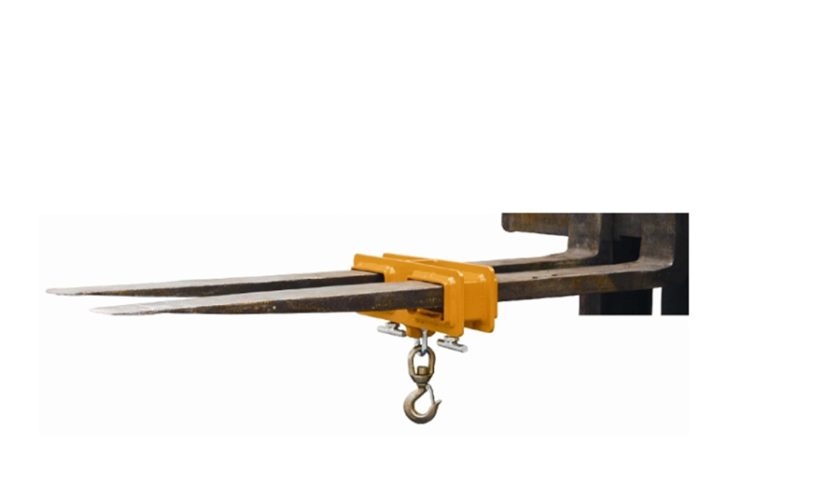
A jib is an attachment that attaches to the forks of the lift. The model features a boom and hook type system to hoist cargo from overhead.

This arrangement allows you to deal with those items that cannot be placed on a pallet, unlike standard forks. It is commonly utilized in construction, manufacturing, and logistics.

How Forklift Jib Attachments Work?

Forklift jib attachments are quite basic but incredibly useful. They then slide onto the forklift forks and lock firmly in place.

After being attached, the boom reaches out. It uses are hook or chain to lift loads. Enabling operators to have control while moving large loads.

Its design safely disperses weight when used within limits.

How to Use a Jib Attachment When − and When Not − to Use a Jib Attachment?

This jib attachment is not something that a person uses to lift something from place to place every day. It can be powerful, but only for certain workflows.

  • Lifting Suspended Loads

Pipes, beams, or machinery almost always require lifting from above. A jib makes this possible.

  • Handling Irregular Shapes

There are some loads that are just too weird and awkward to palletize. You can lift them up regularly with a forklift jib attachment.

  • Working in Tight Spaces

For smaller jobs, a forklift with a jib is frequently a much simpler option than organizing a crane.

Forklift Jibs & Their Key Benefits

Forklift jib attachments can bring many benefits when added to your equipment:

  • Versatility: Convert your Forklift into a lifter for various jobs
  • Cost saving: No hiring of costly cranes
  • Increased efficiency: Get your lifting jobs done quicker
  • Increased precision: Able to lift and hold a particular weight with greater precision

These advantages provide many industries with an invaluable tool.

Jib Attachments Usage Safety Tips

When using a safety, a jib attachment is critical. But if it is used incorrectly, it can cause serious accidents.

Follow these key guidelines:

  • Always stay within the forklift rated capacity
  • We would advise making sure the attachment is snugly fitted
  • Keep loads balanced and stable
  • Train how to handle it correctly

It could also be because they failed to inspect equipment before use, which could prove chrysanthemum like in its risk.

Choosing the Right Jib Attachment

Different attachments are not created equal. Lifting the right jib attachment means more efficient development and safety.

Consider these factors:

  • Load capacity: Align it with your lifting requirements
  • Boom length: Select according to reach needs
  • Quality of Construction: More durable materials have longer life
  • Compatibility: Check if it fits with your forklift model

Choosing the right one will both enhance safety and streamline the process.

Common Mistakes to Avoid

These are just a few ways where forklift jib attachments are misused by users.

Avoid these mistakes:

  • Overloading the attachment
  • Tasks that it was not meant to be used for
  • Ignoring regular inspections
  • Failing to train operators

However, caution can avert disasters.

Final Thoughts

Forklift jib attachment is a useful option for any job site. They transform an everyday forklift into a versatile lifting device.

But, they have to be used in the right way. A jib attachment will help you achieve this, but being accustomed to how and when they can be used is necessary for safe and efficient operation. If you approach it correctly, you can lift heavy without the anxiety.

read more
Home Improvement

Why More Homeowners Are Investing in Fences That Require Less Maintenance

Why More Homeowners Are Investing in Fences That Require Less Maintenance

More homeowners are choosing garden fencing that needs less ongoing care, and it is one of the clearest shifts I am seeing in 2026. Years ago, most people accepted that timber fencing needed regular treatment, repairs, and attention. Now, many homeowners want a boundary that simply does its job without taking up weekends. Across York, more people are searching for fencing companies near me because they want longer-lasting options, not just the cheapest panels available. Many start by looking at reliable fencing services in York to understand what low maintenance fencing really means in practical terms.

After decades working as a fencing contractor, I can say this change is not about laziness. It is about value, time, and experience. Homeowners have learned that a fence requiring constant care soon becomes more expensive than expected.

Why low maintenance fencing is becoming more appealing

One thing I hear often on local jobs is that people want their gardens to be enjoyable, not another job list.

They want to sit outside, host family, let the children play, or work from home in peace. They do not want to spend every dry weekend sanding, staining, tightening fixings, or patching tired panels.

This has changed how homeowners think about fencing. The first question is no longer just “how much will it cost?” It is now “how long will it last and how much work will it need?”

That is a better question.

Traditional timber needs more care than many expect

Timber fencing still has its place. A well-built timber fence can look excellent and perform well for many years.

But it needs care.

Timber expands and contracts. It absorbs moisture. It dries unevenly. Fixings loosen as the boards move. If it is not treated properly, it can start to soften, split, or rot sooner than expected.

In York, clay soil makes this more noticeable. The ground holds water through winter, which keeps the base of posts damp for long periods. Even good timber struggles if it spends too much time in wet soil.

Why busy homeowners are changing their priorities

Modern life is a big part of this trend. People work longer hours. Many work from home. Weekends fill quickly.

A fence that needs regular attention becomes easy to ignore. Once maintenance slips, small issues grow.

A loose fixing becomes a moving panel. A small soft patch becomes post failure. A slight lean becomes a full replacement.

This is why more homeowners now search for fencers near me with low maintenance options in mind from the start.

Concrete posts are becoming the practical choice

Concrete posts are one of the most common low maintenance upgrades.

They do not rot at ground level. They cope well with damp soil. They provide strong support for panels and stay stable for many years when installed correctly.

I normally install posts at around 600mm to 750mm depth, depending on the ground. In softer clay or exposed areas, deeper posts may be needed.

Concrete posts still need proper installation. They are not magic. But they remove one of the most common failure points in garden fencing.

Composite fencing is changing expectations

Composite fencing is also growing in popularity. It does not need regular staining. It does not warp like cheaper timber. It keeps a cleaner, more consistent look over time.

Composite fencing cost is higher upfront, but many homeowners are now looking beyond the initial price. They are comparing it with years of timber treatment, repairs, replacement panels, and general upkeep.

For some gardens, composite makes sense. For others, pressure treated timber with concrete posts may be the better option.

The right choice depends on budget, style, exposure, and how much maintenance the homeowner is willing to take on.

Why drainage still matters with low maintenance fencing

Low maintenance does not mean no thought is needed.

Drainage still matters. If water collects around posts, soil softens and movement begins. This affects concrete posts as well as timber ones, because the ground around the post still needs to stay firm.

On many York jobs, I pay close attention to where water moves after rain. Low spots, raised beds, patios, and compacted soil can all push water towards the fence line.

Good drainage helps any fence last longer.

The hidden maintenance cost of cheap fencing

Cheap fencing often looks fine when first installed. The real cost appears later.

Panels twist. Rails crack. Posts soften. Fixings fail.

Then the homeowner starts searching for fence repair near me and dealing with one issue after another.

A low maintenance fence is not always the cheapest fence on day one. It is usually the fence that causes fewer problems over the years that follow.

Why repairs are becoming less attractive

Repairs still have their place. A single damaged panel or a localised issue can often be fixed.

But if the same fence needs repeated repairs, homeowners start to question the value. They may replace one post this year, another panel next year, then a rail the year after.

At that point, the fence becomes a recurring cost.

Homeowners often review practical fence repair advice to decide whether repair is still sensible or whether replacement would be better long term.

Pressure treated timber still has a role

Low maintenance does not always mean avoiding timber.

Pressure treated timber performs far better than untreated or dipped timber. The treatment penetrates deeper and helps resist rot and insect damage.

For many homeowners, pressure treated panels with concrete posts and gravel boards offer a strong balance. They keep the natural look of timber while reducing the main maintenance risks.

That combination is often a sensible middle ground.

Gravel boards make a bigger difference than people think

Gravel boards are often overlooked, but they are important.

They lift timber panels away from soil and reduce moisture contact. This helps prevent early rot along the bottom edge of panels.

In low maintenance fencing, these small details matter. They reduce the need for future repairs and help keep the fence looking tidy.

Why fence design affects maintenance

Some fence designs need more attention than others.

Solid panels can catch more wind, especially in exposed gardens. This puts pressure on posts and fixings.

Slatted or hit and miss designs allow more airflow. They can reduce wind load and help the structure dry more evenly after rain.

Good design reduces stress. Less stress means less maintenance.

How garden use is influencing fencing choices

Gardens are used more now than they used to be. Outdoor seating, garden offices, play areas, and summer hosting all place more importance on the boundary.

When the fence forms part of daily life, homeowners want it to look good without constant effort.

This is one reason low maintenance fencing has become such a strong trend in 2026.

Why local soil knowledge matters

A low maintenance solution must suit local conditions.

York’s clay soil behaves differently from free draining ground. It moves with the seasons and holds moisture longer than many homeowners expect.

A fencing contractor near me who understands this will plan post depth, drainage, and material choice around those conditions.

Generic advice is rarely enough.

The role of installation quality

Even the best materials fail if installed badly.

Post depth, spacing, alignment, concrete quality, drainage, and fixings all matter.

A low maintenance fence should be built properly from the start. Otherwise, the homeowner simply swaps one set of maintenance problems for another.

Good installation is the foundation of low maintenance performance.

Why homeowners are thinking in years rather than months

The biggest change I see is that homeowners are thinking longer term.

They are not just asking what will look good this summer. They are asking what will still look good in five or ten years.

That mindset leads to better choices. Better posts. Better panels. Better drainage. Better fixings.

It also reduces the chance of repeated repairs.

When low maintenance fencing is worth the investment

Low maintenance fencing is most worthwhile when the garden is used regularly, exposed to weather, or affected by damp ground.

It is also worth considering for rental properties, busy family homes, and properties being prepared for sale.

A fence that stays straight, tidy, and secure with little attention is valuable in all those situations.

How to choose the right low maintenance option

The best choice depends on the garden.

Some homes suit composite fencing. Others are better with closeboard panels and concrete posts. Some need airflow-friendly designs because of wind exposure.

Homeowners exploring garden fencing options for York homes should consider how the garden is used, how wet the ground gets, and how much future maintenance they realistically want to do.

Why low maintenance fencing is becoming the sensible standard

From decades working across York, it is clear why more homeowners are investing in fences that require less maintenance.

They want fewer repairs. They want better long term value. They want gardens that feel finished without constant upkeep.

Low maintenance fencing is not about avoiding responsibility. It is about making a better decision at the start, so the boundary stays strong, straight, and presentable for years with far less effort.

read more
Home Improvement

How to Choose a Professional Light Installation Service in Singapore

How to Choose a Professional Light Installation Service in Singapore

Key Takeaways

  • The placement of wall lights transforms the mood and spatial perception of your home.
  • Professional mounting and wiring are essential for both long-term safety and aesthetic finish.
  • Subtle differences in technique separate a high-end expert finish from a basic novice attempt.
  • Integrate lighting into your existing interior design without invasive structural changes.

Introduction

Lighting is described as the jewellery of a home, yet its function goes far beyond simple decoration. The way we illuminate our surroundings can make a compact flat feel like a sprawling sanctuary or a cold, functional box. While many homeowners focus on floor lamps or overhead fixtures, the true secret to a sophisticated interior lies in vertical illumination with wall light installation. By moving away from flat, overhead lighting and embracing layered textures, you can create a home that feels both intentionally designed and effortlessly welcoming.

Creating Depth Through Vertical Illumination

Overhead lights tend to wash out a room, flattening textures and creating harsh shadows in corners. Wall lights, or sconces, provide fill light that bridges the gap between the ceiling and the floor, highlighting architectural features and casting a warm, indirect glow that is much easier on the eyes. By directing light upwards to reflect off the ceiling or downwards to graze a textured wallpaper, you create a sense of height and volume.

The Psychology of Ambient Eye-Level Lighting

Soft, warm light emanating from eye level mimics the natural glow of a sunset, triggering a relaxation response in the brain that overhead office-style lighting cannot achieve. Whether you are highlighting a piece of local art or illuminating a dark corridor for safety, the placement of these fixtures requires a keen eye for balance. A professional installer calculates the beam to ensure it complements the natural rhythm of the room, ensuring that the light serves a purpose.

Why Structural Assessment Matters for Mounting

When observing a wall light installation, the difference between an expert and a novice is about the invisible details of the execution. A novice often approaches the task with a point-and-click mindset, mounting the fixture where it seems roughly correct without considering the structural integrity of the wall or the heat dissipation requirements of the housing. An expert understands the difference between mounting on a concrete load-bearing wall versus a hollow partition. They ensure that the mounting is perfectly level and that the wiring is routed with zero tension to prevent long-term fraying or short circuits.

Ingress Protection and Singapore’s Humidity

Selecting a light installation service in Singapore requires a basic understanding of the local regulatory and environmental landscape. High humidity and specific building codes mean that materials and methods used in other climates may not be suitable. A professional installer will guide you through these technicalities, ensuring that your stylish new sconce doesn’t become a safety hazard after the first monsoon season. They also ensure that all work complies with the standards, which is essential for insurance purposes and general peace of mind.

Configuring Smart Lighting Integrations

Modern homes are increasingly moving toward automated systems where wall lights are dimmed or colour-shifted via a smartphone app. A novice might struggle with the compatibility between the driver, the dimmer switch, and the Wi-Fi mesh. An expert installer configures the hardware flicker-free and instantaneously. This technical expertise transforms a simple hardware installation into a sophisticated home system that responds to your lifestyle needs.

Highlighting Wall Textures and Architectural Features

Strategic placement also involves considering the texture of your walls. If you have a feature wall made of stone or intricate woodwork, a grazing light placed close to the surface will accentuate the shadows and highlights of the material, making it pop. Conversely, a wash light placed further back will soften the appearance of a wall, making a small room feel airier and more open. This level of consultancy turns a functional necessity into a powerful tool for interior transformation.

Conclusion

The journey to a beautifully lit home is paved with small, deliberate choices that prioritise both form and function. A professional light installation service in Singapore provides the technical backbone and creative insight necessary to move beyond basic illumination. By understanding the profound atmospheric impact of wall light installation and recognising the vast difference between an expert finish and a novice attempt, you can make informed decisions that enhance your property’s value and your quality of life. When you invest in professional execution and strategic layering, you transform your house from a place where you simply live into a sanctuary that reflects your personal style and respects the safety of your family.

Ready to see your home in a new light? Contact 81 Electrical for a professional consultation and flawless installation today.

read more
Food

Why Is Mini Buffet Catering Becoming a Go-To Choice for Singaporean Gatherings?

What Makes Mini Buffet Catering So Popular in Singapore?

In Singapore’s fast-paced lifestyle, convenience and quality often top the list when planning any event, whether it’s a casual get-together or a formal occasion. One catering trend that has been steadily gaining traction is mini buffet catering. Unlike traditional buffets with an overwhelming variety of dishes, mini buffets strike a perfect balance between variety and portion control, making them ideal for intimate gatherings or events with limited space.

Mini buffet catering offers a curated selection of dishes that cater to diverse palates without the hassle of managing a large spread. This approach not only reduces food wastage—a priority in environmentally conscious Singapore—but also ensures guests enjoy fresh, well-prepared meals. Many Singaporeans appreciate this because it reflects a thoughtful consideration of both the guest experience and sustainability.

How Does Mini Buffet Catering Work for Different Events?

One of the reasons mini buffet catering is gaining popularity is its versatility. Whether you’re hosting a birthday party, a corporate luncheon, or a family reunion, mini buffets can be tailored to suit the occasion and the number of guests. For instance, if you’re organizing a housewarming party, opting for a mini buffet allows for a manageable yet impressive spread that won’t overwhelm your guests or your home’s space.

In Singapore’s dense living environments, such as HDB flats or condominiums, space is often at a premium. A massive buffet table might not be feasible, but a mini buffet fits perfectly, offering a sophisticated dining experience without the bulk. This is why many hosts now prefer this style when planning housewarming catering—it’s practical, elegant, and stress-free.

What Should You Expect from House Warming Catering in Singapore?

Housewarming parties are a significant milestone in many Singaporean households, symbolizing new beginnings and community ties. Catering for such an event needs to balance hospitality with convenience. Professional house warming catering services understand this nuance, providing menus that are both crowd-pleasing and easy to serve.

From local favorites like Hainanese chicken rice and laksa to fusion dishes that reflect Singapore’s multicultural identity, house warming catering services can customize your menu to fit the vibe of your gathering. Moreover, experienced caterers handle all logistics—from setup to clean-up—allowing hosts to focus on welcoming their guests and celebrating the new home.

Why Trust Experienced Caterers Like Select Catering?

When it comes to choosing a catering service, expertise and reliability are paramount. Select Catering, for example, has established itself as a trusted name in Singapore’s catering scene by consistently delivering high-quality food and exceptional service. Their deep understanding of local tastes, dietary preferences, and event dynamics makes them a preferred choice for both mini buffet catering and house warming catering.

Their team works closely with clients to craft menus that suit the specific needs of each event, ensuring freshness, flavor variety, and presentation standards are met. This commitment to excellence builds trust and authority in the catering market, reassuring customers that their events will be memorable for all the right reasons.

How Can You Make Your Event Stand Out with Catering?

In today’s competitive event scene, standing out means offering an experience that guests remember fondly. With mini buffet catering, you can impress your guests with a selection of well-thought-out dishes that cater to different dietary needs, including vegetarian, halal, and gluten-free options—a necessity in Singapore’s diverse food landscape.

For housewarming parties, pairing the right catering with thoughtful décor and personalized touches can elevate the entire event. Imagine welcoming friends and family with a beautifully arranged mini buffet, featuring exquisite local dishes that evoke comfort and celebration. This level of care shows your guests that you value their presence and want them to enjoy themselves fully.

What About Budget and Convenience?

Another crucial factor driving the popularity of mini buffet catering and house warming catering in Singapore is affordability combined with convenience. Mini buffets often cost less than traditional buffets because they focus on quality over quantity. This allows hosts to allocate their budget more efficiently, perhaps investing in better quality ingredients or additional services like professional waitstaff.

Moreover, reputable caterers handle all the planning, preparation, and cleanup, which significantly reduces the stress on hosts. In Singapore’s busy environment, this convenience cannot be overstated—it frees up time and mental energy, letting you enjoy the event instead of managing it.

Ready to Elevate Your Next Event?

Whether you’re planning a cozy housewarming party or a small corporate gathering, considering mini buffet catering can be a game-changer. It offers a harmonious blend of variety, convenience, and elegance that suits Singapore’s unique lifestyle and space constraints.

If you’re focusing specifically on welcoming friends and family into your new home, exploring professional house warming catering options can ensure your event runs smoothly and leaves a lasting impression. With experienced caterers like Select Catering, you can trust that your guests will be treated to delicious food and seamless service, making your celebration truly special.

In the end, choosing the right catering is about more than just feeding people—it’s about creating connections, sharing joy, and marking important moments with care and style. And in Singapore, mini buffet catering and house warming catering have emerged as trusted ways to do just that.

read more
Food

Why Is Corporate Catering Becoming a Game-Changer for Singapore Businesses?

What Makes Corporate Catering So Essential in Singapore’s Work Culture?

In Singapore’s fast-paced business environment, making a positive impression during meetings, events, or team gatherings is crucial. One often overlooked but powerful way to do this is through quality corporate catering. More companies are recognising that catering isn’t just about food—it’s about creating an experience that brings people together, boosts morale, and even enhances productivity. But why exactly is corporate catering becoming a game-changer for businesses here?

Singapore’s diverse workforce and multicultural palate mean that food choices can make or break an event. Providing delicious, well-curated meals tailored to various dietary preferences shows thoughtfulness and professionalism. It sends a message that the company values its employees and clients, fostering stronger relationships. This is where expert corporate catering services come into play, offering menus that cater to local tastes while maintaining international standards.

How Does Corporate Catering Elevate Your Business Events?

When planning a corporate event, the logistics of food and beverage often take a backseat to the agenda or guest list. However, the quality and presentation of food can significantly influence attendees’ overall experience. Corporate catering services in Singapore have evolved beyond simple boxed lunches or buffets. Today, they offer bespoke menus with fresh ingredients, stylish presentations, and diverse options to suit any event size or theme.

Choosing professional corporate catering means you can rely on experienced teams who understand timing, dietary restrictions, and the importance of seamless service. This reduces stress on your event planners and allows everyone to focus on the main objectives—whether that’s networking, training, or celebrating milestones. A well-executed meal can transform a routine meeting into a memorable occasion that leaves a lasting impression.

What Are Live Stations Catering and Why Are They Trending?

One of the most exciting trends in Singapore’s event catering scene is live stations catering. Unlike traditional buffet setups, live stations offer freshly prepared dishes right before your eyes, adding an interactive and engaging dimension to any gathering. This style of catering not only elevates the dining experience but also encourages social interaction among guests.

Imagine attending a corporate event where a chef is stir-frying local favourites like char kway teow or assembling customisable roti prata stations. This kind of personalisation and freshness appeals to Singaporeans who appreciate both convenience and authentic flavours. Moreover, live stations catering allows for flexibility in menu choices and portion sizes, helping to reduce food waste—an important consideration for environmentally conscious businesses.

How Can Your Company Benefit from Live Stations Catering?

Incorporating live stations catering into your corporate events can provide several advantages. First, it energises the atmosphere, making the event more dynamic and less formal. Guests can watch their meals being prepared, which adds an element of entertainment and transparency about food quality and hygiene.

Secondly, live stations cater to different dietary needs more easily. Since dishes are made to order, chefs can accommodate vegetarian, halal, gluten-free, or other special requests without hassle. This inclusiveness is particularly important in Singapore’s multicultural corporate environment.

Lastly, live stations encourage mingling among guests. Instead of staying seated in fixed groups, people naturally move around to different stations, sparking conversations and networking opportunities. This aligns perfectly with the goals of many corporate events aiming to build stronger teams or client relationships.

Why Should Singapore Businesses Choose Experienced Catering Providers?

Singapore’s stringent food safety regulations and discerning diners mean that experience and expertise are non-negotiable when selecting a catering partner. Established providers bring reliability, professionalism, and an understanding of local preferences that newer entrants might lack.

A trusted catering company not only delivers delicious food but also offers comprehensive event support—from customised menu planning to efficient setup and cleanup. Their knowledge helps navigate common challenges like last-minute changes or dietary restrictions, ensuring smooth operations.

Furthermore, reputable caterers invest in quality ingredients and skilled chefs, reflecting the company’s commitment to excellence. This level of service builds trust and reinforces your business’s reputation among clients and employees alike.

How to Find the Right Corporate Catering and Live Stations Catering in Singapore?

Finding the best catering service for your needs involves considering several factors: menu variety, flexibility, pricing, and customer reviews. It’s essential to partner with caterers who understand Singapore’s local tastes while offering international options suitable for diverse corporate groups.

One way to simplify your search is by exploring specialised providers who offer both corporate catering and live stations catering. These companies have the experience to customise your event’s culinary experience, whether it’s a small business lunch or a large-scale conference.

By choosing a provider that offers both services, you gain the flexibility to mix traditional buffet options with interactive live stations, creating a unique event that resonates with your guests and elevates your company’s brand.

Final Thoughts: Why Investing in Quality Catering Pays Off

In Singapore’s competitive corporate landscape, attention to detail can set your business apart. Investing in professional corporate catering and innovative live stations catering is more than just a convenience—it’s a strategic move that enhances employee satisfaction, impresses clients, and fosters a positive corporate image.

By prioritising food quality, presentation, and guest experience, you demonstrate a commitment to excellence that resonates beyond the boardroom. For companies looking to make a lasting impact at their next event, partnering with trusted catering experts is undoubtedly worth considering.

If you’re ready to elevate your corporate events with hassle-free, delicious catering solutions, explore options like corporate catering and live stations catering to find the perfect fit for your business needs.

read more
Business

Why Is Backlit Signage Becoming the Go-To Choice for Businesses in Singapore?

What Makes Backlit Signage So Popular Among Singapore Businesses?

In the bustling commercial landscape of Singapore, standing out is more important than ever. With countless shops, restaurants, and offices vying for attention, the right signage can make all the difference. One trend that’s gaining significant traction is backlit signage. But why exactly are so many businesses opting for this illuminated option? The answer lies in its unique ability to combine visibility, aesthetics, and durability — all essential factors in Singapore’s competitive market.

Backlit signage involves lighting the sign from behind, creating a glowing effect that enhances readability regardless of the time of day. This feature is especially crucial in Singapore, where many businesses operate late into the evening or even 24/7. The illumination not only grabs eyeballs but also conveys a sense of professionalism and modernity, helping brands build trust quickly.

How Does Custom Signage Elevate Your Brand Identity?

If you’re wondering whether a one-size-fits-all sign will do, the short answer is no. Custom signage is about more than just putting your business name on a board. It’s an opportunity to communicate your brand’s personality, values, and unique selling points in a way that resonates with your target audience. Businesses in Singapore increasingly recognise this, turning to custom signage solutions tailored to their specific needs.

Custom signage allows for flexibility in design, materials, colours, and lighting. Whether you want a sleek and minimalist look for a tech startup or something vibrant and eye-catching for a retail outlet, custom signs can be crafted to fit your vision perfectly. With Singapore’s diverse customer base and competitive sectors, having signage that truly reflects your brand helps create memorable first impressions and fosters customer loyalty.

Why Is Durability a Key Factor in Choosing Signage in Singapore?

Singapore’s tropical climate can be harsh on outdoor materials. High humidity, intense heat, and frequent rainstorms mean that signage must withstand these challenges without fading, warping, or malfunctioning. This is where backlit signage, especially when custom-made, shines. The materials used are typically weather-resistant and designed to retain their vibrancy over time.

Moreover, the lighting components in quality backlit signage are built to last, ensuring consistent illumination that doesn’t dim or flicker prematurely. This reliability is critical because a dim or broken sign can harm your business’s credibility and visibility. Investing in durable, professionally designed signs means you spend less on repairs or replacements, which is a practical consideration for many Singaporean businesses operating on tight margins.

Can Backlit and Custom Signage Improve Customer Engagement?

Absolutely. Signage is often the first interaction a customer has with a brand, and first impressions matter. Backlit signage naturally draws attention, making your business more noticeable from a distance and during nighttime hours. This increased visibility can lead to higher foot traffic and, ultimately, better sales.

Custom signage further enhances this effect by enabling creative and strategic messaging. For example, you can incorporate your brand’s colours, logos, and even interactive elements in your sign design. This level of customization helps your business stand out in Singapore’s saturated market, making it easier for customers to remember and recommend your brand.

Additionally, backlit and custom signage can be designed to complement your store’s interior and exterior aesthetics, creating a cohesive and inviting environment. This subtle but effective approach to branding can significantly impact customer perception and engagement.

How Does Investing in Quality Signage Reflect Your Business’s Professionalism?

In Singapore’s fast-moving economy, consumers often associate the quality of a business’s signage with the quality of its products or services. A poorly designed or outdated sign can inadvertently send the message that a business is not serious or trustworthy. Conversely, well-crafted custom signage and professionally installed backlit signage convey that a brand values its image and customer experience.

This perception is vital in sectors like retail, hospitality, and professional services, where trust and credibility are paramount. Businesses that invest in their signage demonstrate a commitment to excellence — a factor that can influence customer decisions and encourage repeat visits.

What Should Singapore Businesses Consider When Choosing Signage?

While backlit and custom signage offer many benefits, it’s important to work with experienced professionals who understand local conditions and regulations. Singapore has specific guidelines around signage placement, size, and safety, so compliance is essential to avoid fines or forced removals.

Furthermore, partnering with a reputable signage provider ensures you get expert advice on the best materials, lighting types, and designs suited to your business goals and location. Experienced companies can also handle the installation process smoothly, minimizing disruptions.

In summary, investing in high-quality backlit signage and custom signage tailored to Singapore’s unique environment is a strategic move that pays off in enhanced visibility, customer engagement, and brand reputation. By choosing signs that truly represent your business and withstand the local climate, you set the stage for long-term success in an ever-competitive market.

read more
1 2 3
Page 1 of 3