close

education

Education

Nurturing Independence: Encouraging Eight-Year-Olds to Safely Tackle Multi-Step Problems

Nurturing Independence Encouraging Eight Year Olds to Safely Tackle Multi Step Problems

Key Highlights

  • Encouraging independence in children helps build confidence when facing complex tasks.
  • Breaking down multi-step problems into smaller, manageable parts reduces anxiety.
  • Supporting children during their early educational journey fosters a positive relationship with learning.
  • External support, such as primary 2 math tuition, can provide structure and guidance.
  • Regular practice and patience are essential for mastering problem solving.

Introduction

Childhood is a remarkable period of exploration and discovery. As children reach the age of eight, they often find themselves at a pivotal moment in their academic development. They are moving away from simple, single-step arithmetic and into the realm of multi-step problem solving. While this transition is exciting, it can also be daunting for young learners. As parents and educators, our role is to nurture their independence, ensuring they feel equipped to tackle these challenges without relying solely on adult intervention. By fostering this sense of autonomy, we help them develop the resilience and confidence necessary for long-term success.

The Shift Toward Complexity

At this developmental stage, the curriculum demands more than just rote memorisation. Children are expected to interpret text, identify the underlying operation, and then execute the necessary steps in the correct order. This cognitive leap requires a shift in how they view problems. Rather than seeing a page of numbers as a test of speed, they must learn to view each problem as a narrative that requires careful unpacking.

Parents often worry about whether their child is keeping pace with the standard. This concern is natural, and many look towards supplemental programmes like primary 2 math tuition to provide additional structure. Such programmes often help children find rhythm in their learning, allowing them to approach new concepts with a sense of familiarity rather than fear.

Building Confidence Through Decomposition

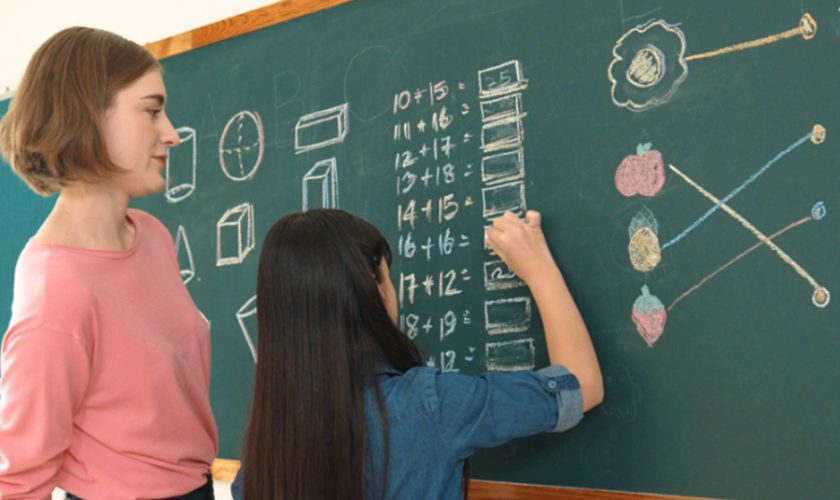
The most effective way to help a child tackle multi-step problems is to teach them the art of decomposition. When a child sees a large, complex question, their first instinct might be to guess or give up. We must encourage them to slow down. Show them how to identify the goal of the problem, list the knowns, and define the necessary steps one by one.

This process is not just about solving the equation; it is about building a methodology. When a child masters the ability to break a problem into smaller chunks, they gain a sense of control. This is the cornerstone of independent learning. In many environments, high-quality primary math tuition in Singapore focuses on this very skill. By teaching children to document their thinking process, tutors help them see the logic behind the solution, which reinforces the habit of structured thinking.

Creating a Supportive Environment for Mistakes

Independence cannot flourish if the fear of being wrong is overwhelming. To encourage our children, we must reframe how we view mistakes. Instead of seeing an incorrect answer as a failure, we should treat it as a data point. When a child gets a step wrong, we should ask them to trace their steps back to find the specific point where the logic drifted. This active reflection is where the true learning happens.

By keeping the dialogue open and non-judgmental, we reduce the pressure. Whether they are working at home or attending sessions for primary 2 math tuition, the goal remains the same: to create a safe space where curiosity is valued more than perfection. Consistency in this approach helps the child trust their own reasoning, even when the problems become increasingly intricate.

The Role of External Guidance

While parental support is invaluable, there are times when an external perspective can bridge the gap between confusion and clarity. Professional programmes that offer primary math tuition in Singapore can introduce children to diverse problem-solving strategies they might not encounter in a standard classroom. These experts often provide the subtle nudges that move a child from dependency to confidence. Supermath, for instance, focuses on these developmental milestones, ensuring that the support provided is aligned with the child’s natural pace of learning.

Conclusion

Nurturing independence in an eight-year-old is a delicate balance of guidance and freedom. By providing the tools to deconstruct problems, fostering a positive relationship with mistakes, and utilising external resources when necessary, we empower our children to become self-reliant learners. The goal is not just to help them solve a specific problem today, but to equip them with the confidence to tackle any challenge they may face in the future.

If you would like to explore how Supermath can support your child in their educational journey,  get in touch with our team today. We are here to help your child thrive!

read more
Education

Why the First Years of Global Primary Schooling Shape Lifelong Learning

Why the First Years of Global Primary Schooling Shape Lifelong Learning

Key Highlights

  • Critical cognitive frameworks are established during the first years of schooling.
  • Exposure to diverse global perspectives fosters cultural competence.
  • Structured inquiry-based environments encourage intrinsic motivation.
  • Early academic experiences determine future attitudes towards learning.

Introduction

The primary years of education are often viewed simply as a prerequisite for secondary schooling, yet they function as the architect of a child’s entire cognitive and emotional future. During this window of development, children do not merely acquire basic literacy and numeracy; they cultivate the habits of mind that dictate how they will approach complex problems throughout their lives. When children are immersed in an environment that values global perspectives, they are better equipped to navigate the intricacies of a modern, interconnected world. This article explores why the foundational years, particularly within a high-quality international primary school in Singapore, are crucial in shaping lifelong learning.

The Foundations of Cognitive Plasticity

Childhood development is characterised by rapid neural growth and cognitive flexibility. Between the ages of five and eleven, the brain is exceptionally adept at forging new connections and internalising complex information. It is not sufficient to focus solely on rote memorisation. Instead, the focus must shift toward inquiry-based learning, which empowers children to ask meaningful questions, seek evidence, and formulate their own conclusions. By nurturing this curiosity early on, educators ensure that students do not become passive recipients of knowledge but active participants in their own intellectual journey.

Global Perspectives and Academic Success

In an era of rapid globalisation, the ability to understand diverse viewpoints is as important as any technical skill. International schools in Singapore offer a unique advantage by providing curricula that transcend national boundaries, often blending rigorous academic standards with a multicultural ethos. When a child learns alongside peers from various backgrounds, they naturally develop empathy, cross-cultural communication skills, and a broader understanding of the human condition. This global exposure is not merely an educational preference but a vital preparation for future careers and social responsibilities in an international community.

Building Resilience through Structured Inquiry

True academic achievement is not measured by test scores alone but by a student’s capacity to persevere when faced with difficulty. Early schooling provides the necessary structure to foster grit and resilience. By engaging with challenging concepts in a safe, supportive environment, students learn that making mistakes is a natural part of the discovery process. Institutions such as St. Francis Methodist School understand that this supportive framework is essential for transforming initial interest into a permanent passion for learning. When students feel encouraged to explore and fail safely, they develop the confidence to take intellectual risks later in their academic careers.

Cultivating a Lifelong Habit of Learning

The ultimate goal of any educational endeavour is to create a lifelong learner. If the first years of school are defined by rigid, uninspiring instruction, a child may develop a transactional view of education, seeing school as a box to be ticked rather than a place for growth. Conversely, when the curriculum emphasises the joy of discovery, students view learning as an ongoing, rewarding process. By integrating creative thinking with fundamental skills, educators ensure that students maintain the spark of curiosity long after they have graduated from primary education.

Conclusion

The first years of primary schooling are foundational in every sense. They are the period where the architecture of the mind is built, where lifelong habits are solidified, and where a child’s relationship with knowledge is defined. By choosing an educational path that emphasises inquiry, cultural awareness, and resilience, parents provide their children with the most valuable asset for the future: the ability to learn, adapt, and succeed in a changing world.

If you would like to learn more about how our approach at St. Francis Methodist School nurtures these essential qualities in every student, contact us today to discuss our admissions process and academic programmes.

read more
Education

Should Students Attend Maths Tuition All Year Round or Only Before Exams?

Should Students Attend Maths Tuition All Year Round or Only Before Exams

Key Takeaways

  • Maths skills weaken when students only revise shortly before examinations.
  • Year-round tuition supports consistency, confidence, and stronger topic retention.
  • Short-term tuition may help with exam preparation but often fails to address deeper weaknesses.
  • Parents should assess a student’s learning habits, academic goals, and stress levels before deciding.
  • A structured tuition centre in Singapore can provide long-term academic discipline beyond exam coaching.

Introduction

Many parents only start searching for maths tuition near them when examination periods approach or when results begin to drop. This reactive approach is common because tuition is often viewed as a short-term solution for immediate academic concerns. However, mathematics is not a subject that rewards last-minute memorisation. It depends heavily on consistency, repetition, and gradual mastery of concepts over time. This instance raises an important question for families: should students attend maths tuition throughout the year, or should it only be used before major examinations? The answer depends on the student’s academic foundation, learning habits, and long-term educational goals.

Why Year-Round Tuition Creates Better Learning Consistency

Mathematics topics are interconnected. A student who struggles with fractions may later face difficulties in algebra, ratios, or geometry. Once tuition only starts shortly before exams, tutors often focus on drilling questions instead of rebuilding weak fundamentals. This approach can improve short-term performance, but the student may continue facing the same problems in future academic years.

Year-round tuition allows students to learn at a stable pace alongside school lessons. Instead of rushing through revision papers, tutors can identify recurring mistakes, explain concepts in different ways, and monitor progress over several months. Students also become more comfortable asking questions regularly rather than waiting until panic sets in before examinations.

A professional tuition centre often structures lessons according to school calendars while still leaving time for reinforcement and revision. This approach gives students continuous exposure to mathematical concepts, which improves familiarity and confidence over time.

The Limitations of Exam-Only Tuition

Exam-focused tuition can still be useful in certain situations. Students preparing for major examinations may benefit from intensive revision sessions, timed practices, and exposure to likely question formats. However, this approach works best for students who already possess a reasonably strong foundation.

The problem arises when weaker students rely entirely on short-term tuition to close large learning gaps. Tutors may not have enough time to revisit earlier topics because the focus immediately shifts towards examination preparation. Due to this, students memorise methods without fully understanding the reasoning behind them.

Another issue is stress. Students who only attend tuition shortly before examinations often experience higher academic pressure because they must absorb large amounts of content quickly. This situation can reduce confidence and create burnout during important academic periods.

Parents searching for maths tuition should therefore consider whether their child needs temporary exam support or long-term academic development. The two approaches serve different purposes and should not be treated as interchangeable.

Which Students Benefit Most from Year-Round Tuition?

Not every student requires a continuous visit to a tuition centre in Singapore throughout the year. Highly independent learners with strong classroom understanding may only need occasional revision support before major examinations. However, many students benefit from ongoing guidance because school lessons move quickly and teachers cannot always provide individual attention.

Students who consistently struggle with confidence, careless mistakes, slow problem-solving, or weak topic retention usually improve more through regular tuition schedules. Continuous exposure also helps students build study discipline and better learning habits outside the classroom.

Parents should also consider workload management. Once tuition is spread across the year, students revise gradually instead of cramming during examination periods. This approach often creates a healthier academic routine with lower stress levels.

Conclusion

Maths tuition should not only function as an emergency response to poor examination results. While short-term revision classes may help students prepare for upcoming papers, long-term tuition often produces stronger academic foundations and more consistent improvement. Mathematics requires regular practice, structured reinforcement, and steady confidence-building over time. Enrolling in a structured tuition centre in Singapore throughout the year provides more sustainable results for many families than relying solely on pre-exam preparation.

Contact Simply Education for structured maths support that goes beyond last-minute exam revision.

read more