close

admin

Food

7 Things to Look for When Ordering a Pastry Box From a French Bakery in Singapore

7 Things to Look for When Ordering a Pastry Box From a French Bakery in Singapore

Key Takeaways

  • Butter Standards: Authentic French bakeries prioritise AOP-certified butter to achieve the signature nutty aroma and distinct honeycomb internal structure in laminated doughs.
  • Curated Variety: Optimal selections balance traditional classics like pain au chocolat with regional inspirations to cater to the diverse palates found across Singapore.
  • Structural Integrity: Premium providers use custom-fitted packaging and moisture-wicking liners to protect delicate layers from losing their crispness in high tropical humidity.

Introduction

The rise of elevated gifting in the local corporate and social sectors has transformed the humble morning treat into a sophisticated culinary statement. Discerning hosts increasingly seek out a French bakery in Singapore to provide curated selections that marry traditional European techniques with modern aesthetic appeal. While these artisanal creations look exquisite in a climate-controlled boutique, the intense tropical heat remains a constant challenge for maintaining delicate textures during transit. Selecting the right assortment requires more than a simple glance at a digital menu to ensure the final delivery retains its intended crunch and flavour. These seven essential criteria help identify a superior collection that will impress colleagues and guests alike during any high tea or meeting.

1. Verifying the Use of AOP Certified Butter

The fundamental quality of any laminated pastry depends entirely on the technical grade of the fats used during the folding process. Specialist bakers insist on AOP-certified butter from specific regions in France because its high melting point and consistent fat content create superior flaky layers. This specific ingredient ensures that a croissant remains fragrant and light rather than becoming unpleasantly greasy when consumed at room temperature. Inquiring about the provenance of the dairy used provides an immediate indication of whether the establishment adheres to the rigorous standards of traditional patisserie.

2. Assessing Diversity in Pastry Textures

A well-constructed assortment should offer a range of mouthfeels to keep the tasting experience engaging for every person in the group. Professional boxes of pastries typically include a combination of shattered-glass flakiness from puff pastry, the crumbly snap of shortcrust tart bases, and the airy lightness of choux pastry. Relying solely on bread-like textures results in a heavy experience that lacks the refinement expected from a high-end French provider. Ensuring a mix of these elements demonstrates a high level of craftsmanship and provides a balanced snack that does not feel repetitive.

3. Seeking a Balance of Traditional and Local Flavours

Modern menus in the city often bridge the gap between Parisian heritage and local preferences by introducing subtle regional influences. A balanced selection might feature a classic almond-filled option alongside contemporary iterations incorporating ingredients like lychee, rose, or dark chocolate. This variety ensures that the box appeals to traditionalists while offering something novel for those who enjoy experimental flavour profiles. Checking for this thoughtful curation prevents the selection from feeling dated or uninspired during a recurring office tea break.

4. Understanding Bake-to-Order Timelines

The window of peak freshness for a handmade pastry is remarkably short, often lasting only a few hours after the item leaves the oven. Reputable providers operate on strict schedules where items are cooled and boxed immediately before the scheduled delivery time to preserve their structural integrity. It is important to avoid services that cannot guarantee a specific baking window, as pre-packed items often suffer from softened crusts. Verifying that the bakery follows a bespoke production timeline ensures that the goods arrive with their characteristic crispness intact.

5. Choosing the Correct Portion Sizes for the Occasion

The intended setting for the gathering should dictate whether full-sized artisanal pieces or miniature versions are more appropriate for the guest list. Smaller formats are ideal for networking events or long meetings where guests prefer to sample multiple items without committing to a heavy meal. Conversely, standard sizes make a more significant visual impact when sent as a formal thank-you gift or served at an intimate celebration. Most professional establishments allow for customisable counts to ensure the quantity perfectly matches the number of attendees.

6. Evaluating Packaging and Environmental Control

Singapore’s humidity can turn a crisp pastry soggy within minutes if the packaging does not allow for proper airflow and moisture management. Superior boxes feature rigid walls to prevent crushing and include liners designed to wick away excess steam from freshly baked goods. For items containing fresh cream or delicate custards, the provider should offer temperature-controlled transport to prevent spoilage or melting. Examining the quality of the delivery containers is just as vital as assessing the food itself when ordering for a remote location.

7. Confirming Chef Expertise and Technical Training

The consistency of a complex lamination process relies heavily on the formal training and experience of the head baker. Many leading boutiques are managed by professionals who have spent years mastering the art of slow fermentation and precise temperature control in classical environments. Whether the brand is a global name or a small independent shop, a commitment to handcrafted methods over industrial shortcuts is evident in the final product. Choosing a provider with verifiable credentials ensures that the investment results in a truly authentic gastronomic experience.

Conclusion

Selecting a premium collection of baked goods involves a careful evaluation of ingredient quality and the logistics of tropical delivery. Prioritising authentic butter and professional packaging guarantees that the items served represent the true heights of European culinary skill. By focusing on these technical details, any host can transform a simple break into a memorable occasion defined by elegance and taste.

Hosting a morning meeting? Contact Delifrance Singapore today to browse our pastry boxes!

read more
Cleaning

4 Household Habits That Lead to Mould Damage

4 Household Habits That Lead to Mould Damage

Key Takeaways

  • Everyday household routines can unintentionally create the conditions that lead to mould damage.
  • Poor ventilation, trapped moisture, and delayed maintenance allow mould spores to spread through surfaces and materials.
  • Habits such as drying laundry indoors or ignoring minor leaks significantly increase indoor moisture levels.
  • Early behavioural changes can reduce the risk of serious contamination that may require professional mould remediation.
  • Preventing mould growth is far more cost-effective than repairing structural or material damage after it spreads.

Introduction

Mould problems rarely begin with a major disaster. Mould damage, in most homes, develops slowly due to daily habits that increase indoor moisture levels or trap humidity in enclosed spaces. Mould spores are naturally present in the environment, but they multiply rapidly when they find damp surfaces such as walls, ceilings, wood, fabric, or insulation. Over time, this growth can damage building materials, produce persistent odours, and compromise indoor air quality.

Many homeowners assume mould growth is caused only by flooding or severe water leaks. In reality, routine behaviours within the home can create the same conditions that allow mould colonies to form and spread. Once these habits continue unchecked, minor mould growth can evolve into widespread mould damage that eventually requires professional mould remediation to remove contamination and restore affected surfaces.

Knowing which daily behaviours contribute to mould growth is an important step in preventing long-term structural and environmental problems.

1. Drying Laundry Indoors Without Proper Ventilation

One of the most common household habits that leads to mould damage is drying laundry indoors without sufficient ventilation. Once wet clothing is hung inside rooms or hallways, large amounts of moisture evaporate into the air. That said, in poorly ventilated spaces, this moisture settles on walls, ceilings, window frames, and furniture surfaces.

Over time, the repeated introduction of humidity creates damp conditions where mould spores can thrive. Corners of rooms, areas behind furniture, and ceiling edges are particularly vulnerable because airflow is limited. Condensation from indoor drying can also accumulate around window frames and plaster surfaces, accelerating the development of mould patches.

While indoor drying may seem harmless, the consistent release of moisture into enclosed environments significantly increases the risk of widespread mould growth. Additionally, without adequate airflow or dehumidification, the resulting mould damage may spread across multiple surfaces and require professional mould remediation to eliminate hidden contamination.

2. Ignoring Minor Plumbing Leaks

Small plumbing leaks are frequently underestimated by homeowners, yet they are one of the leading contributors to mould damage inside residential properties. Slow drips under sinks, leaking pipe joints, or minor water seepage behind washing machines often go unnoticed for extended periods.

These leaks create continuous moisture exposure within cabinets, wall cavities, and flooring structures. Since these areas are rarely inspected, mould colonies can grow undetected and gradually spread behind walls or beneath surfaces. The damage may already be extensive by the time visible staining or odour appears.

Even minor leaks that seem insignificant can sustain damp conditions for weeks or months. The longer these leaks persist, the greater the likelihood that hidden mould growth will require specialised mould remediation techniques to remove contamination and restore affected building materials.

3. Blocking Airflow in High-Moisture Areas

Another common household habit that encourages mould damage is obstructing airflow in areas that naturally produce moisture. Bathrooms, kitchens, and laundry areas generate humidity through daily activities such as showering, cooking, and washing.

Once ventilation systems are inadequate or blocked by furniture, cabinets, or closed doors, moisture remains trapped within the space. Warm, humid air then condenses on cooler surfaces such as tiles, grout lines, ceilings, and painted walls. These damp surfaces create an ideal environment for mould spores to multiply.

Bathrooms without functioning exhaust fans are particularly vulnerable. After all, without proper airflow, steam accumulates quickly and settles on surfaces that remain damp long after use. Over time, persistent humidity leads to visible mould damage, especially around ceiling corners, silicone seals, and grout lines.

Preventing this type of mould growth requires maintaining proper ventilation and allowing humid air to escape rather than remain trapped indoors.

4. Delaying the Cleanup of Water Spills or Flooding

Prompt cleanup is critical when water spills or minor flooding occur inside a home. However, many homeowners delay drying wet carpets, upholstery, or flooring after small accidents such as appliance leaks, overturned containers, or minor flooding from clogged drains.

Once moisture remains trapped in porous materials, mould spores can begin growing within 24 to 48 hours. Carpets, wooden flooring, and insulation are particularly vulnerable because they absorb water quickly and dry slowly.

Once mould colonies establish themselves within these materials, surface cleaning is rarely sufficient. The contamination may spread beneath flooring layers or inside wall cavities, creating deeper structural mould damage that requires professional mould remediation to address safely and effectively.

Acting quickly to dry affected materials and restore proper indoor humidity levels is essential to preventing mould from developing after water exposure.

Conclusion

Mould problems are not the result of major water disasters but rather everyday habits that gradually introduce moisture into indoor environments. Drying laundry indoors without ventilation, ignoring small plumbing leaks, blocking airflow in humid areas, and delaying water cleanup are all behaviours that create conditions where mould spores can thrive.

Once mould growth becomes established, the resulting mould damage can spread across surfaces and building materials, often requiring specialised mould remediation to remove contamination and prevent recurrence. Remember, by recognising these common habits and making practical adjustments, homeowners can significantly reduce the risk of mould development and maintain healthier indoor environments.

Visit BELFOR to begin safe, effective mould remediation before hidden damage worsens.

read more
Wedding

The Step-by-Step Plan to Wedding Planning in Singapore

The Step by Step Plan to Wedding Planning in Singapore

Key Takeaways

  • Establish a realistic budget early to manage expectations for venue and catering costs.
  • Secure a wedding date at least a year in advance to navigate the high demand for popular locations.
  • Curate a guest list before viewing spaces to ensure the capacity matches your social circle.
  • Engage professional assistance to streamline logistics and handle coordination with various vendors.

Introduction

Crafting a celebration that reflects a personal journey requires more than just a list of tasks. Couples often find that the initial excitement of an engagement quickly gives way to a series of complex logistical decisions. A good wedding planning in Singapore demands a balance between cultural traditions and modern aesthetics. By breaking down the process into manageable phases, you can focus on the joy of the occasion rather than the weight of the chores.

1. Set the Vision and Financial Framework

The first movement in this symphony involves grounding your dreams in a practical financial plan. Sitting down to discuss figures might feel unromantic, but it provides the boundaries within which creativity can truly flourish. Once you understand the total investment you are willing to make, categorising expenses for attire, food, and photography becomes much simpler. This clarity prevents the common pitfall of overspending on a single element at the expense of others. After the budget is set, drafting a preliminary guest list is the next logical move because the number of attendees dictates almost every subsequent choice.

2. Secure the Date and Venue

With a rough headcount and a clear budget, the search for a physical space can begin in earnest. Many sought-after ballrooms and garden settings in the city-state are booked out months or even years in advance. It is often helpful to consult a wedding planner in Singapore to gain access to a wider network of locations that might not be immediately obvious. These experts understand how different spaces function during various times of day and can advise on lighting or acoustics. Selecting a venue that aligns with your desired atmosphere reduces the need for excessive decor, allowing the natural character of the architecture to shine.

3. Build a Reliable Vendor Team

Once the foundation is laid with a venue and a date, the focus shifts to the individuals who will bring the day to life. This includes everyone from the florist and the baker to the hair and makeup artist who will ensure you look your best. Researching portfolios and reading reviews is essential, but meeting these professionals in person or via video call is equally important to ensure your personalities mesh. Clear communication from a wedding planner at this stage prevents misunderstandings later, as you want a team that understands your aesthetic without constant correction. Consistency in the visual theme across all vendors creates a cohesive experience for your guests.

4. Manage the Final Countdown

In the final weeks leading up to the ceremony, the emphasis moves from broad strokes to minute details. This is the time to finalise the seating chart, confirm the delivery times for all rentals, and conduct a final walkthrough of the ceremony site. Keeping a detailed folder or digital drive with all contracts and contact numbers ensures that you are prepared for any last-minute adjustments. A well-organised timeline for the actual day allows you to delegate tasks to trusted friends or family members so that you can remain present in the moment.

Conclusion

Transitioning from an engaged couple to a married one involves a series of intentional steps that transform a simple idea into a landmark event. While the logistics of wedding planning in Singapore may seem daunting at the start, a structured approach keeps the process enjoyable. Focusing on one phase at a time ensures that no detail is overlooked and that the celebration remains a true reflection of your partnership. By the time the day arrives, the preparation will have created a seamless environment where you can celebrate your commitment surrounded by those who matter most.

Contact Beautiful Gatherings to start your journey toward a wisely planned celebration.

read more
Auto

Why PHV Car Rental in Singapore is the Smarter Choice for Modern Drivers

Why PHV Car Rental in Singapore is the Smarter Choice for Modern Drivers

Key Takeaways

  • PHV car rental in Singapore allows drivers to bypass the massive upfront costs associated with the Certificate of Entitlement (COE).
  • Strategic benefits of car leasing include fixed operational costs and bundled maintenance services.
  • Optimising your ride-hailing income by matching vehicle choice with fuel-efficient hybrid technologies.
  • The flexibility of leasing structures allows you to test the ride-hailing industry without long-term financial risk.

Introduction

With ride-hailing platforms continuing to attract passengers who prioritise convenience, drivers often look for ways to enter the industry without the large financial commitment associated with purchasing a car outright. This is where PHV car rental and car leasing in Singapore have gained significant traction. Instead of owning a vehicle, drivers can lease one for a fixed period, allowing them to focus on operating their ride-hailing service. Yet many first-time drivers approach leasing with a limited understanding of how these arrangements actually work. The difference between rental structures, maintenance coverage, and financial commitments can significantly affect long-term earnings.

The Hidden Economics of Leasing Versus Buying

COE prices fluctuate depending on demand, often reaching substantial levels that significantly increase the upfront cost of purchasing a vehicle. Earnings depend on working hours, passenger demand, and operating costs such as fuel and maintenance. Leasing provides an alternative entry point because drivers pay a predictable weekly or monthly fee instead of financing the full purchase price. In the context of PHV car rental in Singapore, this structure helps drivers preserve capital while gaining immediate access to a vehicle that is already approved for private-hire use.

The PHV Regulatory Model

A Private Hire Vehicle (PHV) operates differently through digital ride-hailing platforms. In Singapore, drivers must hold a Private Hire Car Driver’s Vocational Licence (PDVL) issued by the Land Transport Authority. Because PHV vehicles must meet strict regulatory requirements, not every privately owned car can be used for ride-hailing. Leasing companies supply vehicles already configured for ride-hailing operations, including commercial insurance coverage and regulatory compliance. Through car leasing, vehicles are typically equipped with the necessary decals, blue labels, and documentation.

The Advantage Many Drivers Overlook

Leasing terms range from several months to a year, allowing drivers to evaluate whether ride-hailing suits their lifestyle without being tied down to a 10-year COE cycle. This flexibility is particularly valuable for individuals exploring driving as a secondary income. Instead of committing to long-term ownership, they can experiment with driving schedules and earnings potential while using car leasing that matches their financial comfort level. This adaptability is the primary reason leasing remains the most common entry pathway for ride-hailing professionals.

Maintenance and Operational Considerations

Maintenance costs can vary depending on vehicle type and usage. Many PHV car rentals include maintenance services. This may involve routine servicing, wear-and-tear replacements like tyres and brake pads, or technical support if the vehicle develops issues during the lease period. Within car leasing in Singapore, these maintenance arrangements reduce operational uncertainty. Instead of worrying about unexpected repair bills, drivers can plan around fixed leasing payments and predictable running costs, ensuring their daily takings are not suddenly wiped out by a trip to the workshop.

Choosing the Right Vehicle for Maximum Profit

Vehicle selection is a critical factor that influences profitability in ride-hailing. Drivers often consider fuel efficiency, passenger comfort, and luggage capacity when choosing a vehicle from a fleet. Hybrid cars can reduce fuel consumption and emissions compared with traditional petrol vehicles, making them attractive options for drivers who spend long hours on the road. Drivers can directly influence both their daily operating expenses and their overall passenger satisfaction ratings.

Income Planning as a Strategic Perspective

Ride-hailing earnings vary widely depending on demand patterns, time of day, and driving strategy. Drivers who succeed analyse peak hours, popular pickup locations, and event-based demand surges. By aligning their schedules with passenger demand, they maximise the benefits of their PHV car rental. A common strategy involves driving during high-demand periods such as morning and evening commuting hours, weekends, and public events. Effective scheduling ensures the vehicle generates sufficient revenue to cover its operating costs before profit is calculated.

Conclusion

Leasing a vehicle for ride-hailing involves a strategic business decision. Behind the process lies a series of considerations. The insights behind PHV car rental and car leasing in Singapore reveal how flexibility, financial predictability, and operational convenience shape the modern driving landscape. For individuals exploring ride-hailing as a career or supplementary income stream, leasing offers a way to enter the industry without the long-term financial burden of vehicle ownership. By understanding the hidden mechanics of leasing arrangements, drivers can make informed decisions that align with both their financial goals and lifestyle preferences.

Ready to find the perfect vehicle for your needs? Enquire at Ecube Auto and find a plan that balances cost and comfort perfectly today.

read more
Pet

Honouring Your Pet’s Memory with Pet Ash Jewellery

Honouring Your Pets Memory with Pet Ash Jewellery

Key Takeaways

  • Pet ash jewellery provides a subtle, wearable way to remember a beloved pet
  • It fits naturally into the emotional journey after a pet funeral in Singapore
  • Designs range from simple pendants to engraved pieces with personal meaning
  • A pet keepsake in Singapore reflects modern attitudes toward pet loss and remembrance
  • Quality craftsmanship and timing are important for both comfort and peace of mind

Introduction

Grief has a quiet way of showing up when a beloved pet passes on. It can appear in small moments, like reaching for a leash that is no longer needed, or hearing a familiar sound that never comes. In Singapore, where pets are deeply woven into family life, many owners look for gentle, lasting ways to remember them. Pet ash jewellery has become one such option, offering comfort without fanfare.

At its heart, this form of remembrance is personal. It does not replace memories; it gives them a place to rest. And for those navigating a pet funeral in Singapore, it often becomes part of a wider journey of closure and reflection.

When Remembrance Becomes Something You Can Hold

Jewellery made with a small portion of ashes carries a quiet symbolism. It stays close to the body, much like the bond it represents. Some people choose a pendant worn daily, while others prefer a ring kept for special occasions. There is no single right choice. What matters is the feeling it brings.

This approach resonates with owners who prefer subtlety. Instead of a display piece at home, the memory travels with them. It can be especially comforting during transitions, such as returning to work or visiting places once shared with a pet. In these moments, a pet keepsake in Singapore often feels less like an object and more like a companion.

Design Choices That Speak Softly

Pet ash jewellery comes in many forms, from minimalist silver pendants to warmer gold settings. Some designs include tiny compartments sealed securely, while others blend ashes into glass or resin, creating a soft swirl of colour. The process sounds technical, yet the result is usually simple and understated.

Many jewellers also offer engraving. A name, a date, or even a short phrase can add meaning without overwhelming the piece. In a city known for clean lines and thoughtful design, these details align well with local tastes. They allow remembrance to feel natural, not heavy.

How It Fits Into The Farewell Process

For many families, jewellery is considered after arrangements are made. During a pet funeral in Singapore, decisions often focus on respect, care, and timing. Once the ashes are returned, the idea of transforming a small portion into jewellery can feel like the next step, not a rushed one.

This pause matters. Grief rarely follows a schedule. Some owners wait weeks or months before commissioning a piece. Others decide sooner, finding comfort in having something tangible during the early days. Both paths are valid, and reputable providers understand this emotional rhythm.

A Modern Keepsake With Cultural Roots

Keepsakes are not new. Across cultures, people have long held onto items that remind them of loved ones. What has changed is the form. In Singapore’s urban setting, where living spaces are often compact, wearable memorials make sense. They take up little room, yet carry deep meaning.

A pet keepsake in Singapore also reflects changing attitudes toward pet loss. Conversations about grief are becoming more open, less awkward. Jewellery offers a way to acknowledge that loss without lengthy explanations. It says enough, quietly.

Practical Considerations That Matter

Beyond emotion, there are practical points to consider. Quality craftsmanship ensures ashes are sealed securely and respectfully. Clear communication with the jeweller helps set expectations around timelines and care instructions. These details might seem secondary, but they shape the experience.

It is also worth checking how much ash is required. Most pieces need only a very small amount, leaving the rest untouched. This reassurance often eases concerns during a pet funeral in Singapore, where families may already feel overwhelmed by decisions.

Finding Comfort In Everyday Moments

Over time, the jewellery often fades into daily life. It becomes part of a routine, worn without much thought. Yet during unexpected moments, a glance or a touch can bring a sense of calm. That quiet presence is its strength.

For those who have chosen a pet keepsake in Singapore, the value is rarely measured in design alone. It is found in ordinary days made gentler by remembrance, and in the knowledge that love does not disappear. It simply changes shape.

Conclusion

Pet ash jewellery offers a thoughtful way to honour a bond that mattered deeply. It blends remembrance with everyday life, providing comfort without spectacle. For families navigating a pet funeral in Singapore, it can become a meaningful part of healing, turning loss into something enduring. If you’re considering a pet keepsake in Singapore, contact Everpet to explore options that feel right and respectful.

read more
Home Improvement

New Aircon Installation? Here Is How to Maintain It Properly

New Aircon Installation Here Is How to Maintain It Properly

Key Highlights

  • Immediate post-installation care sets the foundation for long-term machine efficiency and lower electricity bills.
  • Monthly filter rinsing is a non-negotiable task that prevents dust buildup from choking the internal cooling coils.
  • Scheduling a professional air conditioner cleaning service twice a year identifies potential refrigerant leaks before they become costly.
  • Keeping the external condenser unit free from obstructions ensures the system can dissipate heat effectively without straining the motor.

Introduction

You have finally invested in a brand-new air conditioning installation, and the crisp, chilled air feels like a total game-changer for your living room comfort. It is tempting to set the temperature to 18 degrees and forget the unit exists until something starts dripping, yet the first few months are actually the most critical for establishing a healthy performance baseline.

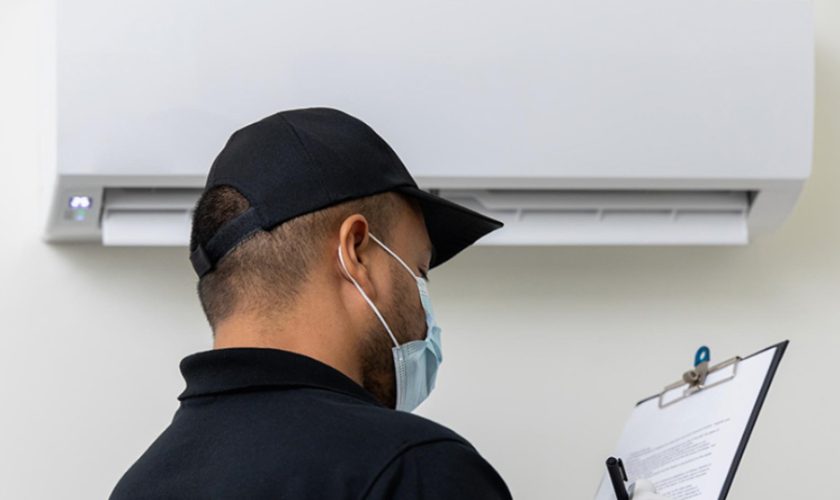
A new system operates at peak efficiency right out of the box, but without a disciplined approach to maintenance and a regular air conditioner cleaning service, that “new machine” smell can quickly turn into a musty odour caused by neglected moisture buildup. Proper care is not just about keeping the house cool; it is about protecting a significant financial investment and ensuring your monthly utility bills do not skyrocket due to a struggling compressor.

Mastering the Art of the Filter Rinse

Most homeowners underestimate how quickly the dusty environment of a typical city apartment can clog up the fine mesh filters located just behind the front panel of the indoor unit. You should aim to pop these filters out at least once every three to four weeks and give them a gentle rinse under a lukewarm tap to remove the grey film of debris that restricts airflow.

When air cannot pass freely through the unit, the fan motor has to work twice as hard to push out cold air, which adds unnecessary wear and tear to your recent air conditioning installation. This simple five-minute DIY task is the single most effective way to prolong the life of your evaporator coils and keep your indoor air quality at a premium level.

Why Professional Eyes Matter Every Six Months

While washing filters is a great start, there are internal components like the drainage tray and the blower wheel that are virtually impossible for an amateur to clean without risking damage to the sensitive fins. Booking a comprehensive air conditioner cleaning service ensures that a technician can flush out the jelly-like “algae” that often accumulates in the drainage pipe, which is the primary cause of those annoying midnight water leaks.

These professionals use specialised tools to reach deep into the chassis, removing hidden mould spores that a vacuum cleaner simply cannot touch. Think of this service as a dental check-up for your home; catching a minor blockage now is infinitely cheaper than replacing a burnt-out fan motor or a cracked circuit board six months down the line.

Protecting the Heart of the System: The Condenser

Your aircon installation is a two-part harmony, and while the indoor unit gets all the aesthetic attention, the outdoor condenser is doing the heavy lifting by dumping heat into the atmosphere. Many people inadvertently block their condenser units with potted plants, laundry racks, or outdoor storage boxes, which forces the unit to recirculate its own hot air and drastically reduces cooling capacity.

You must ensure there is at least a thirty-centimetre clearance around the unit to allow for proper heat exchange and prevent the compressor from overheating. Regularly checking for bird nests or accumulation of leaves around the outdoor unit will prevent sudden system shutdowns during the hottest months of the year, when you need the cooling most.

The Connection Between Cleanliness and Longevity

A system that receives a consistent air conditioner cleaning service will naturally outlast a neglected unit by several years, providing a much better return on your initial capital expenditure. Beyond the physical hardware, a clean system operates with much lower resistance, meaning it consumes less electricity to achieve your desired temperature setting.

You will find that the air feels drier and fresher, as a well-maintained unit is far superior at dehumidifying the room compared to one that is struggling with dirty coils. Maintaining your air conditioning is ultimately a commitment to your own health and financial well-being, as it minimises the allergens circulating in your bedroom while keeping your repair fund untouched.

Conclusion

Taking care of your cooling system does not have to be an overwhelming chore if you break it down into simple monthly habits and bi-annual professional check-ups. By staying on top of filter hygiene and ensuring your condenser has room to breathe, you ensure that your air conditioning installation remains a reliable source of comfort rather than a source of stress. Consistency is the secret ingredient that keeps the breeze cold and the electricity bills manageable for the long haul.

If your home is starting to feel a bit too warm for comfort, get in touch with Newway Air Conditioning today for the most reliable and affordable aircon servicing, cleaning, and installation in Singapore!

read more
Auto

What Happens at the End of a Long-Term Car Lease?

What Happens at the End of a Long Term Car Lease

Key Takeaways

  • The end of a long-term car leasing contract usually involves a formal vehicle return inspection and administrative closure of the agreement.
  • Leasing companies assess mileage, wear and tear, and any outstanding obligations before finalising the contract.
  • Drivers may need to pay excess mileage charges or repair costs if the vehicle condition falls outside acceptable standards.
  • Some car leasing contracts allow drivers to extend the lease or replace the vehicle with a new lease agreement.
  • Documentation, final payments, and account closure complete the end-of-lease process.

Introduction

The end of a long-term car leasing contract marks the final stage of a structured vehicle usage agreement between the driver and the leasing provider. Unlike vehicle ownership, where the owner decides when to sell or replace the car, car leasing follows a predefined timeline. Once the contract period concludes, several operational and administrative processes take place to formally close the agreement. These steps typically involve vehicle return procedures, condition assessments, financial adjustments, and documentation. Knowing what happens at this stage helps drivers prepare for the transition and avoid unexpected charges or delays.

Vehicle Return and Initial Inspection

One of the first things that happens at the end of a long-term car leasing contract is the return of the vehicle to the leasing company or an authorised inspection centre. The vehicle must be returned on or near the contract end date specified in the car leasing agreement.

The leasing provider conducts an initial inspection during this stage to confirm that the vehicle matches the registered lease asset and that all required components are present. This inspection includes checking the keys, service records, manuals, and any accessories originally provided with the car. The inspection also verifies the vehicle identification number, registration details, and mileage reading.

The purpose of this stage is administrative verification. It ensures that the correct vehicle has been returned and that the leasing company can begin the formal condition evaluation process.

Wear and Tear Assessment

After the vehicle is returned, the leasing company performs a detailed wear and tear inspection. This assessment determines whether the vehicle condition falls within the acceptable usage standards defined in the long-term car leasing agreement.

Normal wear and tear typically includes minor scratches, small interior marks, or standard tyre usage expected during regular driving. However, damage beyond these limits may be classified as excessive wear. Examples include deep dents, cracked components, damaged upholstery, or missing parts.

Once excessive damage is identified, the leasing provider calculates repair costs based on the condition report. These costs are billed to the driver according to the terms of the car leasing contract. The inspection report usually includes photographs, written descriptions, and itemised charges.

Mileage Evaluation and Excess Charges

Mileage limits are a standard feature of most long-term car leasing agreements. The leasing company, at the end of the contract, compares the vehicle’s odometer reading with the agreed mileage allowance.

Once the driver exceeds the contracted mileage limit, excess mileage charges are applied. These charges are calculated per kilometre or mile beyond the permitted threshold and are specified in the car leasing contract.

The mileage evaluation is straightforward but significant because it directly affects the final financial settlement. Drivers who remain within the mileage limit typically avoid these additional costs, while those who exceed the allowance must settle the excess usage charges.

Final Financial Settlement

Once inspections and mileage evaluations are completed, the leasing company prepares the final financial statement. This document outlines any remaining obligations associated with the long-term car leasing contract.

The statement may include excess mileage fees, repair costs for excessive wear, unpaid monthly instalments, or administrative charges related to the lease closure. Once a security deposit was collected at the start of the car leasing agreement, it may be applied against these charges or refunded, depending on the final balance.

Drivers are usually required to settle any outstanding payments before the leasing company formally closes the account. This step ensures that the financial side of the agreement is completed in accordance with the contract terms.

Lease Extension or Replacement Arrangements

The end of a long-term car leasing contract also presents operational options related to continued vehicle use. Leasing providers may offer drivers the opportunity to extend the existing lease for a short period or transition to a new lease agreement for another vehicle.

An extension allows the driver to keep the current car for a defined period while maintaining the leasing structure. Alternatively, the driver may enter into a new car leasing contract with a different vehicle.

These arrangements are optional and depend on the leasing provider’s policies as well as the vehicle’s lifecycle within the leasing fleet.

Contract Closure and Documentation

The final step at the end of long-term car leasing is the formal closure of the lease agreement. After inspections, financial settlements, and administrative verification are completed, the leasing company finalises the contract records.

This process includes issuing confirmation that the vehicle has been returned, documenting the inspection outcomes, and recording that all contractual obligations have been fulfilled. The leasing account is then closed in the provider’s system.

Once this stage is complete, the car leasing contract is officially concluded, and the driver’s obligations under that agreement come to an end.

Conclusion

The end of a long-term car leasing contract involves a sequence of structured procedures designed to close the agreement properly. Vehicle return, condition inspections, mileage checks, and financial settlements form the core steps in the process. These activities ensure that both the leasing company and the driver meet the contractual requirements of the car leasing arrangement. Drivers can prepare for the inspections, review mileage usage, and complete the necessary documentation without complications by understanding what happens during this final stage.

Contact Eurokars Leasing to secure your next lease before your current contract closes.

read more
Home Improvement

Best Fabric Sofa Materials for Singapore’s Humid Climate

Best Fabric Sofa Materials for Singapores Humid Climate

Key Takeaways

  • Linen and cotton blends release heat quickly and reduce surface dampness in non-air-conditioned rooms.
  • Modern performance fabrics resist moisture absorption and slow mold growth inside cushions.
  • Dense and heavy fabric weaves trap humidity and create musty odours over time.

Introduction

In Singapore, heat and moisture constantly act on furniture. Daily temperatures rise above thirty degrees, and indoor humidity stays high throughout the year. These conditions change how upholstery feels, wears, and smells over time. Many buyers choose a fabric sofa in Singapore for comfort and texture, yet fabric responds to humidity very differently from leather or synthetic surfaces. Poor fabric choices absorb moisture, trap heat, and leave the seat surface damp during long periods of use. Limited airflow allows mould to form inside cushions and padding. When visiting furniture stores in Singapore, buyers should examine fabric structure and fibre behaviour instead of focusing on colour or softness. A suitable sofa releases heat, supports air movement, and dries quickly after contact with humid air.

Linen and Cotton Blends for Airflow

Linen fibres allow air to move freely through the fabric surface. The fibre structure does not compress tightly, which prevents heat buildup during extended use. When someone sits on a linen-based sofa, body heat escapes instead of remaining trapped between the fabric and cushion foam. This property keeps the surface cooler, especially in living rooms that rely on fans rather than air-conditioning.

Pure linen wrinkles quickly and breaks down faster under daily use. Manufacturers blend linen with polyester or nylon to improve strength and reduce creasing. This blend keeps air moving through the fabric while increasing durability. Cotton blends behave in a similar way, but cotton absorbs moisture more easily. In humid homes, synthetic fibres mixed into cotton slow moisture retention and help the fabric dry faster. These blended fabrics suit households that want a soft surface without prolonged dampness after regular use.

Performance Fabrics Designed for Humidity

Many newer fabric sofas in Singapore now use engineered synthetic materials designed for high-moisture environments. These fabrics rely on tightly controlled fibre structures that move moisture outward instead of drawing it inward. Sweat or ambient humidity spreads across the surface and evaporates rather than soaking into the cushion core.

Manufacturers treat performance fabrics with antimicrobial agents during production. These treatments slow the growth of bacteria and fungi within the upholstery. In Singapore’s climate, mould usually forms inside foam layers where air rarely circulates. Fabrics that resist moisture penetration limit this problem by keeping humidity away from the cushion core. These materials work well in homes with limited ventilation and in households with pets or children where spills happen frequently. Most stains remain on the fabric surface, which allows owners to clean the sofa easily using mild cleaning solutions.

Weave Density and Cushion Drying

Fabric performance depends not only on fibre type but also on weave structure. Loose weaves create space between threads, allowing air to pass through the upholstery and reach the cushion interior. This airflow helps cushions dry after exposure to humidity or perspiration.

Tightly packed or high-pile weaves behave differently. Fabrics such as velvet, thick chenille, or heavy corduroy compress easily under body weight. Once compressed, these fabrics restrict airflow and trap warmth. Moisture remains inside the seat area long after use ends. Over time, this trapped moisture leads to musty odours and uneven cushion degradation. In homes with open windows or limited air-conditioning, these fabrics deteriorate faster and feel uncomfortable within minutes of sitting.

Colour and Surface Temperature

Fabric colour affects surface temperature more than many buyers expect. Dark upholstery absorbs more heat from ambient light and body contact. In humid rooms, this absorbed heat increases surface dampness and discomfort. Light-coloured fabrics reflect heat and remain cooler during prolonged use.

Textured surfaces also matter. Smooth woven fabrics allow moisture to spread and evaporate. Highly textured or plush surfaces hold moisture between fibres. Buyers should run a hand across the fabric and observe whether warmth dissipates quickly or lingers. This simple test reveals how the sofa behaves during daily use.

Maintenance and Long-Term Condition

Humidity accelerates wear when maintenance routines do not match fabric properties. Breathable fabrics still require regular vacuuming to prevent dust accumulation, which traps moisture. Performance fabrics tolerate less frequent deep cleaning but still benefit from airflow around the sofa base.

Placing a fabric sofa directly against the walls limits rear airflow. Leaving a small gap improves drying after use. In Singapore homes, positioning matters as much as material choice. Upholstery that dries fully between uses lasts longer and maintains structural integrity.

Conclusion

A fabric sofa in Singapore requires more than visual appeal. Material choice determines comfort, hygiene, and lifespan under constant humidity. Linen blends and engineered performance fabrics handle moisture better than dense or plush alternatives. Loose weaves and lighter colours support faster drying and cooler surfaces. When buyers prioritise airflow, fibre behaviour, and maintenance needs, a fabric sofa remains comfortable instead of turning into a source of dampness and odour.

Contact Cellini to view fabric sofas in Singapore designed for airflow, moisture control, and long-term comfort in humid homes.

read more
Home Improvement

How Aircon Pressure Affects Energy Bills in Homes in Singapore

How Aircon Pressure Affects Energy Bills in Homes in Singapore

Key Takeaways

  • Both low and high internal levels lead to increased electricity consumption and mechanical wear.
  • Maintaining correct levels prevents the motor from overheating and drawing excess current.
  • Clean filters and coils are essential for the system to manage its internal environment efficiently.

Introduction

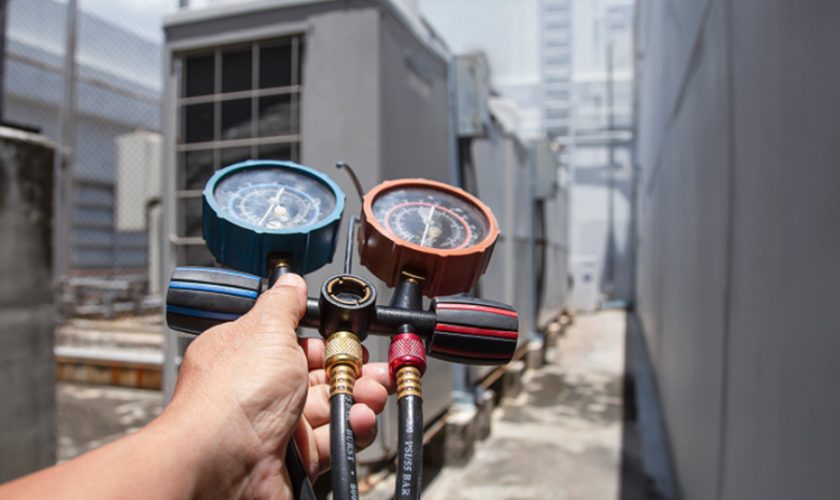
In Singapore, every household faces a similar frustration when the utility bill arrives. Despite maintaining temperature settings, the cost of staying cool seems to climb higher every month. While we blame rising electricity tariffs, the culprit frequently hides inside the copper pipes and cooling coils of the unit itself. The internal aircon pressure within your cooling system dictates how efficiently the refrigerant absorbs and releases heat. When these levels fluctuate, the compressor must work significantly harder to achieve the same level of cooling, which translates directly into higher energy consumption that you see on your SP Group bill. Engaging a reliable aircon company to monitor these technical vitals prevents your system from becoming a financial burden.

The Impact of Refrigerant Leaks on Efficiency

A cooling system relies on a precise amount of refrigerant gas to transport heat from your bedroom to the outside world. If a tiny puncture develops in the coils, the aircon pressure drops, causing the system to lose its thermal capacity. You might notice the unit takes longer to cool the room or runs continuously without reaching the desired temperature. This constant operation draws an immense amount of power, as the compressor never gets a chance to rest. A professional aircon company can detect these leaks early and restore the necessary balance to the system. Keeping the gas levels topped up ensures the machine operates within its intended parameters, which prevents the wasted energy associated with a struggling, under-pressurised unit.

High Pressure from Blocked Airflow

On the other end of the spectrum, excessive aircon pressure can be just as damaging to your wallet. When dust and grime coat the external condenser fins, the system cannot dissipate heat effectively, causing internal stress to rise. This buildup of heat forces the internal mechanics to push harder against the resistance, which spikes your instantaneous power usage. Regular cleaning by a qualified aircon company removes this blanket of dirt that causes the system to overheat. By maintaining a clear path for heat exchange, the internal levels remain stable, and the motor runs smoothly. Preventing this over-pressurisation extends the lifespan of your expensive hardware while keeping your monthly running costs predictable.

Compressor Strain and Power Spikes

The compressor serves as the heart of your cooling system, and its health depends entirely on stable operating conditions. If the aircon pressure is too high or too low, the compressor experiences mechanical friction that generates excess heat, representing wasted energy that you are paying for but not benefiting from in terms of cooling comfort. An experienced aircon company understands that a struggling compressor is the primary reason for sudden spikes in electricity usage. By ensuring the refrigerant flows at the correct rate, you minimise the electrical load required to start and run the motor. Protecting the compressor through regular checks is the most effective way to ensure long-term energy savings in a tropical climate.

The Relationship Between Cleanliness and Flow

Many homeowners do not realise that the cleanliness of their indoor air filters directly influences the internal aircon pressure. When airflow is restricted by a thick layer of dust, the evaporator coil becomes too cold, which can lead to ice formation and pressure imbalances. These imbalances confuse the system’s sensors, leading to erratic cooling cycles and wasted electricity. Scheduling a routine visit from an aircon company ensures that both the internal and external components remain free of debris, which keeps the entire refrigerant circuit in a state of equilibrium. A clean system naturally maintains the correct flow, allowing the unit to shut down periodically once the room is cool.

Avoiding the Short Cycling Trap

When a system suffers from incorrect aircon pressure, it enters a pattern known as short cycling, which occurs when the unit turns on and off rapidly because it cannot maintain a steady cooling state. Since the startup phase of an air conditioner uses the most electricity, these frequent restarts cause your energy bill to skyrocket. A technician from a trusted aircon company can recalibrate the system to ensure it runs for the appropriate duration. Maintaining the correct balance allows the inverter technology to throttle down to a low-power mode instead of shutting off completely.

Conclusion

Keeping your cooling system efficient depends on consistent upkeep rather than waiting for faults to appear. When you monitor performance and schedule regular servicing, you often notice steadier temperatures and fewer unexpected spikes in utility bills. Shifting away from reactive repairs reduces the strain that builds inside the unit over time. Engaging a reliable aircon company to check components and maintain the correct aircon pressure helps the system operate within proper specifications. Paying attention to these routine details supports long-term durability and helps your household manage cooling costs more predictably in Singapore’s heat.

Contact Airple to schedule a comprehensive check of your cooling system’s health with the help of an aircon company.

read more
Health

The Scalp Hair Treatment Basics for Beginners That Work

The Scalp Hair Treatment Basics for Beginners That Work

Key Takeaways

  • Scalp care succeeds when routines match lifestyle, climate, and habits rather than trends.
  • Early signs like itch, oil imbalance, or tightness guide treatment choices.
  • Product selection matters more when paired with steady application and patience.
  • Consistency builds comfort, balance, and visible hair improvement over time.

Introduction

Healthy hair rarely starts with styling tricks or last-minute fixes. It begins with paying attention to the scalp and recognising how daily habits shape comfort and growth. This approach becomes clearer once you understand how scalp hair treatment fits into regular care rather than standing apart as a special occasion step. A thoughtful routine builds familiarity with your scalp, making it easier to respond when dryness, excess oil, or sensitivity shows up. Let’s explore how beginners can approach this process with confidence and fewer missteps.

Analyse the Scalp Before Any Treatment

Most newcomers focus on strands while overlooking the surface beneath. The scalp sends signals through tightness, flakes, redness, or lingering oil, and these signs point towards the type of scalp hair treatment worth considering. Dry sensations suggest hydration gaps, while heaviness near roots hints at residue or blocked follicles. Paying attention during washing or brushing helps you notice patterns rather than reacting late. This awareness sets a foundation where treatment choices feel logical instead of experimental.

Understanding these cues avoids frustration and prevents switching routines too quickly. When the scalp feels calmer after cleansing or treatment, that response matters more than instant shine on the hair length. Over time, this mindful observation makes scalp hair treatment feel less intimidating and more intuitive.

Build a Routine That Fits Daily Life

Consistency shapes results, yet routines need to feel realistic. A scalp hair treatment applied once with enthusiasm and then forgotten delivers little value. Beginners benefit from simple steps that slot easily into washing days, allowing the scalp to adjust gradually. Massage during application improves circulation and encourages even distribution without adding extra steps.

This stage works best when routines align with the climate and schedule. In humid environments, lighter textures support comfort, while drier settings call for richer care. Adjusting frequency rather than piling on steps keeps the routine approachable. As weeks pass, scalp hair treatment becomes part of normal care rather than an occasional rescue effort.

Pick Products With Context, Not Hype

Midway through the process, product choice begins to matter more. Many people explore hair products in Singapore due to local climate demands and availability, yet selection works best when guided by scalp needs rather than packaging promises. Reading ingredient lists helps, though texture and how the scalp feels after rinsing offer clearer guidance.

Hair products vary widely, so testing patiently avoids overload. Introduce one product at a time, allowing the scalp to respond before adding another. This measured approach reduces confusion and supports clearer outcomes. When hair products complement a consistent routine, the scalp settles into balance rather than swinging between extremes.

Track Progress Without Chasing Instant Change

Beginners sometimes expect rapid shifts, though scalp care rewards steady attention. Progress appears through reduced irritation, easier styling, and a cleaner feel between washes. These signals confirm that scalp hair treatment supports the environment where hair grows.

Avoid changing routines too quickly, even when curiosity strikes. Keeping notes on comfort levels or wash frequency builds clarity. Over months, these observations guide small refinements that strengthen results. Scalp hair treatment succeeds when patience replaces urgency, allowing improvements to build naturally.

Conclusion

Starting with scalp care reshapes how hair health is understood. A clear scalp hair treatment routine begins with listening to subtle signals, followed by habits that fit daily life. Thoughtful product selection, including suitable hair products in Singapore, supports balance rather than disruption. With consistency and attention, scalp hair treatment becomes a steady ally, shaping healthier hair from the roots upward.

Contact Bee Choo Origin to explore scalp-focused care options guided by professional insight and experience.

read more
1 4 5 6 7 8 28
Page 6 of 28