
close

physiotherapy

Health

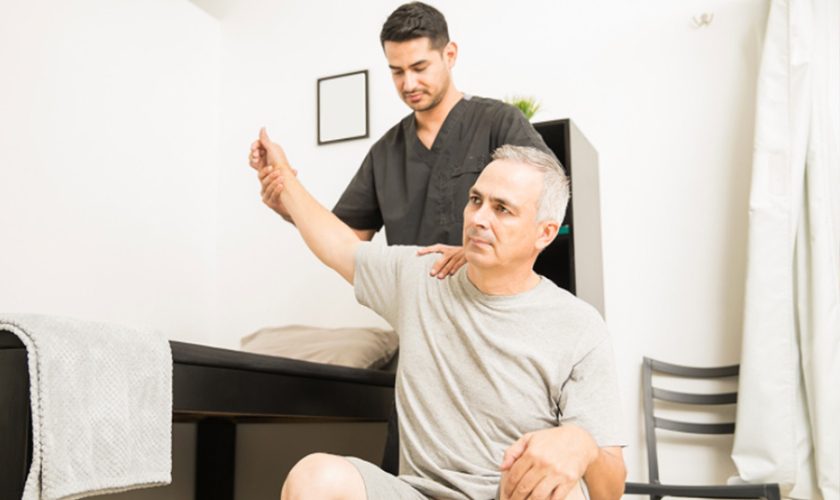
Finding Long-Term Relief Through Targeted Physiotherapy for Shoulder Pain in Singapore

Finding Long Term Relief Through Targeted Physiotherapy for Shoulder Pain in Singapore

Key Highlights

  • Targeted physiotherapy effectively addresses the root cause of shoulder dysfunction to provide lasting relief.
  • Customised rehabilitation plans are designed to improve your joint mobility and significantly reduce daily pain.
  • Early intervention through professional assessment is vital to prevent minor discomfort from developing into chronic issues.
  • Expert guidance from our physiotherapists ensures your recovery journey is both safe and scientifically supported.

Introduction

Shoulder pain is a prevalent issue among residents in Singapore, affecting everyone from office professionals to athletes. The shoulder is a complex joint with a wide range of motion, making it susceptible to various injuries and degenerative conditions. When discomfort persists, it can significantly hinder daily activities such as reaching for objects, driving, or even sleeping comfortably. Seeking professional physiotherapy for shoulder pain in Singapore is a critical step towards understanding the underlying causes of this discomfort rather than merely managing the symptoms.

Understanding Shoulder Anatomy and Common Injuries

The shoulder joint consists of three main bones: the humerus, the scapula, and the clavicle. These bones are held together by a network of muscles, tendons, and ligaments known as the rotator cuff. Because of its high mobility, the shoulder is inherently less stable than other joints. Common injuries include rotator cuff tears, bursitis, frozen shoulder, and impingement syndrome. In many cases, patients experiencing shoulder issues may also find they require physio for back pain, as the body often compensates for restricted shoulder movement by overworking the spinal muscles.

The Role of Physiotherapy in Long-Term Recovery

Physiotherapy focuses on restoring function and movement through various evidence-based techniques. Unlike temporary fixes, physiotherapy aims for long-term recovery by addressing biomechanical imbalances and strengthening the supporting structures of the joint. In Singapore, clinical practice emphasises a combination of manual therapy, targeted exercises, and patient education. By understanding how the joint functions and where the weaknesses lie, individuals can take an active role in their rehabilitation process.

Benefits of Tailored Rehabilitation Programmes

Every individual presents with a unique set of symptoms and physical requirements. A tailored rehabilitation programme is essential because it accounts for the patient’s specific lifestyle, occupation, and health history. These programmes typically involve progressive exercises designed to increase flexibility and build muscle endurance. For those seeking physiotherapy for shoulder pain in Singapore, a customised approach ensures that the intensity of the treatment matches the patient’s recovery pace, reducing the risk of re-injury and ensuring a more efficient return to daily functions.

Recognising Early Indicators of Shoulder Dysfunction

Shoulder pain often manifests gradually, beginning as subtle stiffness or discomfort during routine movements. Many individuals dismiss these early signals, hoping they will resolve without intervention. However, recognising these symptoms—such as difficulty reaching overhead, persistent aching after activity, or a feeling of weakness in the arm—is vital. Ignoring these signs can lead to compensatory patterns, where the body alters its mechanics to avoid pain. This often places unnecessary stress on other areas, which can eventually contribute to the development of related issues, such as the need for physio for back pain due to altered posture and movement habits.

The Value of Evidence-Based Diagnosis

A comprehensive clinical assessment is the cornerstone of effective management. Physiotherapists use a range of diagnostic tests to evaluate joint range of motion, muscle strength, and neurological integrity. This process helps differentiate between localised shoulder conditions, such as tendonitis or impingement, and referred pain originating from the neck or upper back. By obtaining an accurate diagnosis early, patients can avoid unnecessary investigations and commence targeted physiotherapy for shoulder pain in Singapore that addresses the specific anatomical structures involved. This systematic approach ensures that rehabilitation is focused on achievable goals and measurable outcomes.

Integrating Physiotherapy into Your Lifestyle

Successful rehabilitation does not end at the clinic. It involves integrating corrective movements and ergonomic adjustments into one’s daily routine. For office workers in Singapore, this might mean adjusting workstation heights or taking regular breaks to perform prescribed stretches. Maintaining musculoskeletal health is a continuous process. Interestingly, the postural improvements gained through shoulder rehabilitation often have a positive secondary effect on the spine, potentially reducing the eventual need for physio for back pain by promoting better overall alignment and reducing muscular strain.

Conclusion

Addressing shoulder pain requires a proactive and informed approach. Through professional assessment and targeted rehabilitation, it is possible to achieve lasting relief and regain the freedom of movement necessary for a high quality of life. By focusing on the root cause and following a professional guidance plan, patients can ensure their recovery is both safe and sustainable.

Contact us at Orchard Health Clinic to schedule your assessment and start your journey toward pain-free movement today.
read more
Health

How Sports Orthopaedic in Singapore Help Athletes Recover Safely

How Sports Orthopaedic in Singapore Help Athletes Recover Safely

Key Highlights

  • Medial epicondylitis, or golfer’s elbow, is caused by repetitive strain on the tendons connecting the forearm to the elbow.
  • A sports orthopaedic specialist provides an accurate diagnosis through physical tests and ultrasound imaging.
  • Treatment often begins with conservative methods such as rest, bracing, and specialised physical therapy.
  • Advanced options like shockwave therapy or PRP injections can stimulate healing in chronic cases.

Introduction

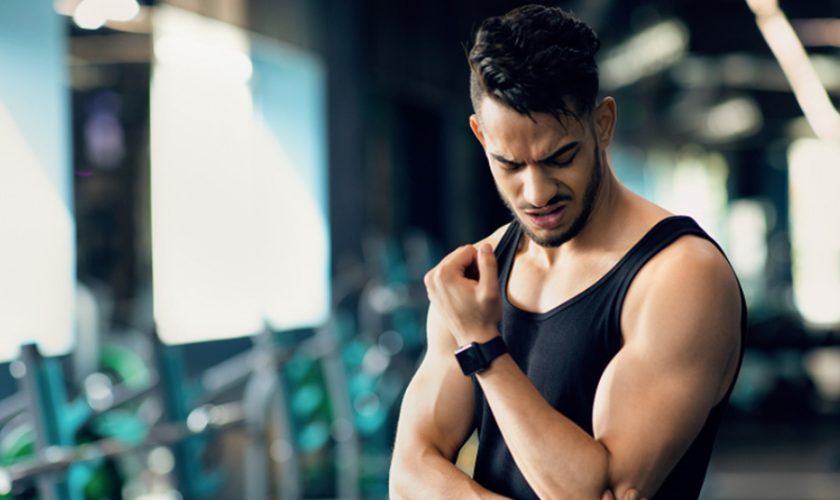
Elbow pain can be a frustrating obstacle for anyone who enjoys regular physical activity, particularly those involved in sports requiring a strong grip or repetitive wrist motions. Medial epicondylitis, commonly known as golfer’s elbow, is an overuse injury that causes pain on the inner side of the elbow. Despite its name, this condition affects more than just golfers; it is frequently seen in tennis players, weightlifters, and even individuals with demanding manual jobs. If you are seeking golfer’s elbow treatment, it is important to understand that the condition is essentially a form of tendonitis or tendinopathy. Seeking help from a sports orthopaedic in Singapore ensures you receive a diagnosis aligned with the specific demands of your lifestyle. Professional care focuses on reducing inflammation, promoting tissue repair, and ultimately strengthening the limb to prevent the pain from returning.

Accurate Diagnosis and Assessment

Before starting any treatment, it is essential to confirm that the pain is indeed caused by medial epicondylitis. Other conditions, such as ulnar nerve entrapment or ligament strains, can mimic the symptoms of golfer’s elbow. A sports orthopaedic in Singapore will begin by assessing your grip strength and checking for tenderness along the bony bump on the inside of your elbow. They may also use diagnostic ultrasound or MRI to see the extent of tendon damage and check for any micro-tears. This level of detail is crucial because the severity of the tendon degradation dictates the most appropriate course of action. By understanding the mechanical cause of your pain, the specialist can create a plan that addresses both the symptoms and the underlying cause.

Advanced Non-Surgical Interventions

For patients who do not find relief through rest and physiotherapy alone, advanced non-surgical options are available. Extracorporeal Shockwave Therapy (ESWT) is a popular choice offered by many sports orthopaedic specialists in Singapore. This procedure uses acoustic waves to create micro-trauma in the affected tissue, which in turn triggers the body’s natural healing response and increases blood flow to the tendon. Another innovative option is Platelet-Rich Plasma (PRP) therapy, which involves taking a small sample of the patient’s own blood, concentrating the healing platelets, and injecting them directly into the injured tendon. These treatments are particularly beneficial for chronic cases where the tendon has failed to heal on its own. They offer a way to accelerate recovery without the risks and downtime associated with traditional open surgery.

Conservative Management and Physiotherapy

The vast majority of cases respond well to non-surgical golfer’s elbow treatment. The primary goal in the initial stage is to settle the inflammation and give the tendons a chance to rest. This approach involves utilising an epicondylitis clasp or brace, which shifts the pressure away from the injured area. Physiotherapy is another cornerstone of conservative care. A therapist will guide you through eccentric loading exercises, which strengthen the tendon as it lengthens. This specific type of exercise is highly effective for treating tendinopathy because it stimulates collagen production and improves the tendon’s ability to handle load. Along with soft tissue massage and stretching, these methods help restore the flexibility of the forearm muscles and reduce elbow joint strain during daily tasks.

Preventive Strategies and Technique Modification

The final step in a comprehensive recovery plan is ensuring that the injury does not happen again. A sports orthopaedic in Singapore helps you modify your activities to protect your joints, which might involve reviewing your sporting equipment, such as the grip size of your golf clubs or the weight of your tennis racket. It also involves correcting any biomechanical flaws in your movement patterns. For example, golfers may need to adjust their swing to avoid leading too much with the elbow. Building a consistent warm-up routine and incorporating regular forearm stretching into your daily life can also significantly lower the risk of recurrence. By focusing on long-term joint health and proper ergonomics, you can continue to enjoy your favourite sports for many years without the hindrance of chronic pain.

Conclusion

Recovering from golfers’ elbow requires a combination of patience, the right medical expertise, and a proactive approach to rehabilitation. While the pain can be a significant annoyance, the wide range of effective treatment options available in Singapore means that most people can return to their full level of activity. From early-stage conservative care to advanced regenerative therapies, the goal is always to repair the tendon and restore your strength. Working with a specialist who understands the nuances of sports-related injuries ensures that your recovery is as efficient as possible. By addressing the pain early and making the necessary adjustments to your lifestyle and technique, you can overcome medial epicondylitis and get back to the activities that move you.

Contact Dr Bryan Tan to schedule a session and start your recovery journey today.

read more