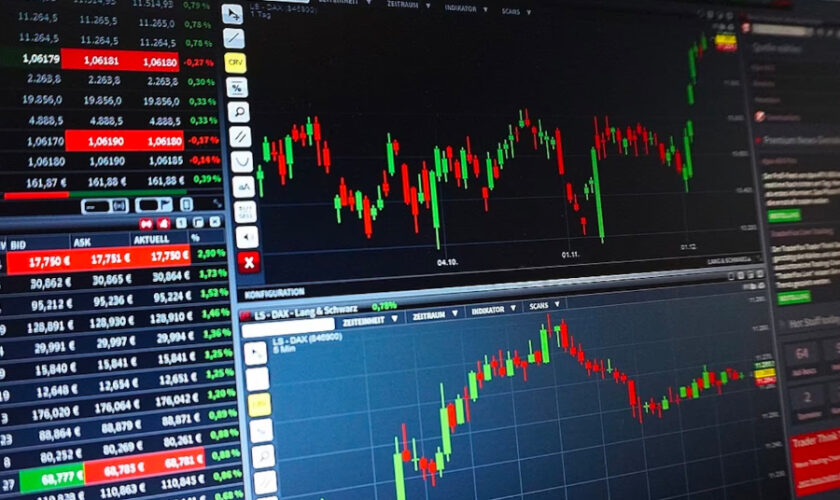
To Trade Stocks effectively, users need more than quick access to buy and sell buttons. A structured approach should combine research, account readiness, order selection, position sizing, liquidity checks, cost awareness, and clear exit rules.
The market can move quickly, but speed alone does not improve decision quality. Traders and investors should know why a stock is being selected, how much capital is being allocated, what risks are acceptable, and what conditions would lead to an exit. A repeatable process can reduce the influence of emotion and short-term market noise.
Start With a Clear Reason for the Trade
Before placing an order, define why the stock is being considered.
Possible reasons may include:
- Fundamental strength
- Earnings improvement
- Technical setup
- Sector momentum
- Valuation opportunity
The reason should be specific enough to evaluate later.
Buying simply because a stock is rising can make it difficult to decide what to do when the price reverses.
Research Should Match the Holding Period
The type of research needed depends on the intended timeframe.
A long-term investor may focus on:
- Revenue
- Profitability
- Debt
- Cash flow
- Competitive position
- Valuation
A short-term trader may give more attention to:
- Price action
- Volume
- Liquidity
- Support and resistance
- Market momentum
Using the wrong framework can create confusion.
A short-term trade should not be managed like a multi-year investment unless the strategy was designed that way from the beginning.
Account Readiness Comes Before Execution
Before users can trade eligible securities, the required account setup should be complete and functional.
Users planning to Open Demat Account access should review how the trading, demat, and linked bank arrangements work together.
It is also useful to understand:
- Available funds
- Applicable charges
- Settlement process
- Account statements
- Security controls
A smooth setup reduces operational problems after trading begins.
Order Type Can Affect the Final Price
Two common order types are market and limit orders.
A market order generally prioritises execution at available prices.
A limit order allows the user to specify a preferred price.
During fast-moving conditions, a market order may execute away from the last visible quote.
A limit order gives more price control but may not execute if the market never reaches the selected price.
The order type should match the objective of the trade.
Liquidity Matters Before Entry
Liquidity affects how easily a stock can be bought or sold.
Highly liquid stocks may generally have:
- More active buyers and sellers
- Tighter bid-ask spreads
- Easier execution
Low-liquidity stocks may have:
- Wider spreads
- Sharper price movement
- More difficult exits
A stock can look attractive on a chart but still be difficult to trade efficiently if market participation is limited.
Position Size Should Be Decided Before the Order
A common mistake is deciding quantity only according to available capital.
A better approach is to consider how much loss can be tolerated if the trade moves against the original view.
Position size may depend on:
- Account size
- Entry price
- Planned exit
- Maximum acceptable loss
This makes risk measurable before the trade begins.
Confidence should not determine position size on its own.
Entry and Exit Rules Should Be Connected
A trade should not have a carefully planned entry and an undefined exit.
Before entering, consider:
- What would confirm the trade?
- What would invalidate it?
- Where would profits be reviewed?
- How much loss is acceptable?
The exit rule can be based on price, time, fundamentals, or another clearly defined condition.
The important point is that it should exist before emotions begin influencing the decision.
Costs Can Change the Real Result
Stock trading may involve applicable costs such as:
- Brokerage
- Exchange-related charges
- Taxes
- Depository-related charges where relevant
A trade that appears profitable before costs may look different after all charges are included.
This becomes especially important for frequent traders.
Net results provide a more realistic picture than gross gains alone.
Watchlists Can Improve Selectivity
A watchlist can help traders monitor opportunities without acting immediately.
Useful items to track may include:
- Price
- Volume
- Earnings dates
- News
- Technical levels
This creates time to wait for the intended setup.
Not every stock that moves quickly needs to become a trade.
Patience is part of execution discipline.
Avoid Turning Losses Into Unplanned Investments
One of the most common strategy errors happens when a short-term trade moves against the trader.
Instead of accepting the planned loss, the position is held and reclassified as a long-term investment.
This changes the strategy after the outcome is already negative.
If a trade was designed as a short-term position, it should generally be managed according to that framework unless new research genuinely changes the thesis.
News Should Be Judged for Relevance
Stock prices react to a constant stream of headlines.
Not every update changes the quality of a trade.
Useful questions include:
- Does the news affect earnings?
- Does it change risk?
- Does it alter the original thesis?
- Is the movement driven mainly by sentiment?
Filtering information can reduce unnecessary reactions.
Broader Market Conditions Still Matter
A strong individual setup can fail if the wider market moves sharply in the opposite direction.
Traders should therefore pay attention to:
- Overall market trend
- Sector movement
- Volatility
- Major events
This does not mean every trade should follow the index.
It simply provides context for the level of market risk surrounding the position.
Trading Frequency Should Not Be a Goal
Placing more trades does not automatically create better results.
Frequent activity can increase:
- Costs
- Decision fatigue
- Emotional reactions
- Exposure to poor setups
A trader may benefit more from fewer well-defined trades than from constant market activity.
Quality of decision-making matters more than transaction count.
Review the Trade After It Ends
Post-trade review can help identify whether the process was followed correctly.
Questions may include:
- Was the original setup valid?
- Was position size appropriate?
- Was the exit rule followed?
- Did emotion affect the decision?
- Were costs higher than expected?
A profitable trade can still be poorly executed.
A losing trade can still be well managed if the process was sound.
Platforms Should Make Execution Easier to Understand
Trading Apps can provide access to charts, watchlists, order entry, positions, and transaction history.
The strongest platforms help users clearly see:
- What order is being placed
- Current position size
- Applicable funds
- Order status
- Profit or loss
Convenience should support the trading plan rather than encourage unnecessary activity.
Conclusion
To Trade Stocks with greater control, users should combine research, account readiness, liquidity checks, position sizing, appropriate order types, cost awareness, and clear entry and exit rules.
A strong process reduces the need to react emotionally to every market movement. Trading decisions should be based on a defined framework rather than speed, excitement, or recent price action alone.
The most useful approach is one where the reason for entering, the acceptable risk, and the conditions for exiting are understood before the trade begins.
FAQs
1. What does it mean to Trade Stocks?
It means buying and selling eligible shares through recognised market infrastructure using an authorised trading platform or broker.
2. Why is liquidity important when trading stocks?
Liquidity can affect bid-ask spreads, execution quality, and how easily a position can be entered or exited.
3. Should position size be based only on available capital?
No. Position size should also reflect the maximum acceptable loss and the risk of the specific trade.
4. What is the difference between a market order and a limit order?
A market order prioritises execution at available prices, while a limit order allows the user to specify a preferred execution price.
5. Why should traders review completed trades?
Post-trade review can help identify whether the original plan was followed and where the decision process can be improved.