



close

Industry

Industry

The Step-by-Step Plan to Optimise Your Pallet Wrapping

The Step by Step Plan to Optimise Your Pallet Wrapping

Key Takeaways

  • Standardising your tension settings prevents structural failures during transit.
  • Integrating a reliable strapping machine reduces manual labour and material waste.
  • Selecting the correct film grade protects against environmental damage and moisture.
  • Consistent training for floor staff ensures safety protocols are met every time.

Introduction

Efficiency in the warehouse often comes down to the small details that prevent large-scale disruptions. Many logistics managers find that their dispatch speed is hindered by inconsistent packaging habits. A professional standard of pallet wrapping involves more than just pulling plastic around a stack of boxes. It requires a systematic approach to ensure that every unit leaving the loading bay is structurally sound and protected from the elements. By refining these movements, you can significantly lower the risk of damaged returns and improve your overall operational flow.

1. Evaluate Load Stability and Placement

Before any film is applied, the foundation of the shipment must be perfectly aligned. Heavy items should always be positioned at the base to create a low centre of gravity, while lighter parcels fill the upper layers to prevent crushing. If the boxes are not flush with the edges of the timber base, the entire structure becomes prone to shifting. This alignment is crucial because even the tightest plastic layers cannot compensate for a poorly stacked base. Taking those extra few seconds to square the load saves hours of potential troubleshooting later in the supply chain.

2. Standardise Your Tension and Material Use

Consistency is the enemy of waste in a busy packing environment. Many facilities rely on manual tensioning, which leads to some loads being too loose and others being so tight that they deform the product. Using a dedicated strapping machine allows for precise control over the force applied to the secondary packaging. These devices ensure that polycarbonate or polyester bands are tensioned to the exact Newton required for the specific weight of the cargo. When you remove the guesswork from the equation, you create a predictable outcome that protects the integrity of the goods without wasting expensive consumables.

3. Implement Multi-Layer Reinforcement

A common error in dispatch is focusing solely on the middle of the stack while neglecting the points of most stress. The bottom of the timber base needs to be caught by the film at least three times to create a secure anchor. As the process moves upward, overlapping each layer by fifty per cent provides a continuous web of support. This method of pallet wrapping creates a unified structure that behaves as a single unit rather than a collection of individual boxes. High-stress areas, such as the top corners, should receive additional passes to prevent the film from tearing during sudden movements in a delivery vehicle.

4. Continuous Staff Calibration

The most effective equipment is only as good as the people operating it. Regular reviews of packing techniques help to iron out bad habits that naturally creep in over busy periods. Ensure that every team member understands the specific requirements for different types of freight, from fragile electronics to heavy industrial components. When everyone follows the same blueprint, the quality of your outbound shipments remains high regardless of who is on the shift. This communal focus on precision reduces the likelihood of accidents and ensures that your strapping machine is maintained correctly for peak performance.

5. Final Quality Audit

The last step in the plan involves a visual and physical check before the forklift moves the unit to the bay. A quick “push test” can reveal if there is any internal movement that might lead to a collapse. If the film is clear and the edges are crisp, the shipment is ready for the road. Reliable pallet wrapping acts as a final insurance policy against the unpredictable nature of transport. By following these steps, you transform a mundane task into a rigorous quality control process that supports the reputation of your business.

Conclusion

Building a resilient logistics operation requires a commitment to consistency and the right tools for the job. From the initial stacking of the boxes to the final application of tension, every action contributes to the safety of the cargo. Incorporating a high-quality strapping machine into your workflow ensures that your team can meet high demands without sacrificing the security of the products. When you prioritise these methodical steps, you create a culture of excellence that protects your assets and satisfies your clients.

Contact Sunstream Industries to enhance your warehouse efficiency today.

read more
Industry

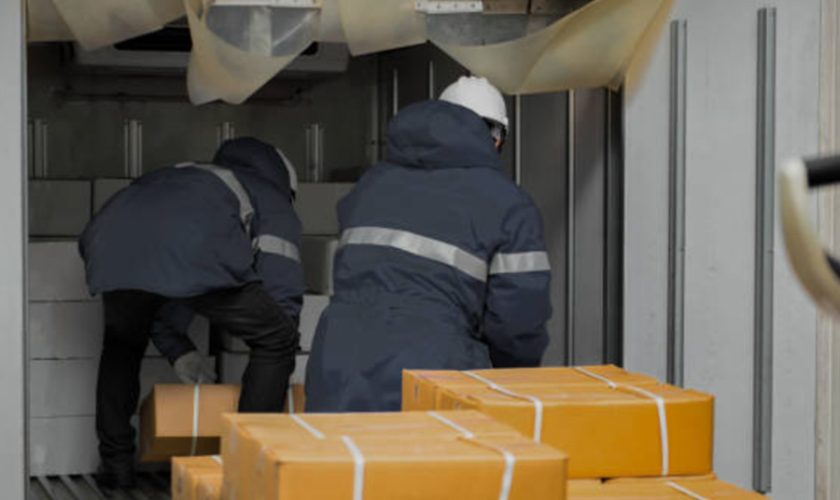
Trusted China Cold Storage Provider For Pharmaceutical Construction Solutions

Trusted China Cold Storage Provider For Pharmaceutical Construction Solutions

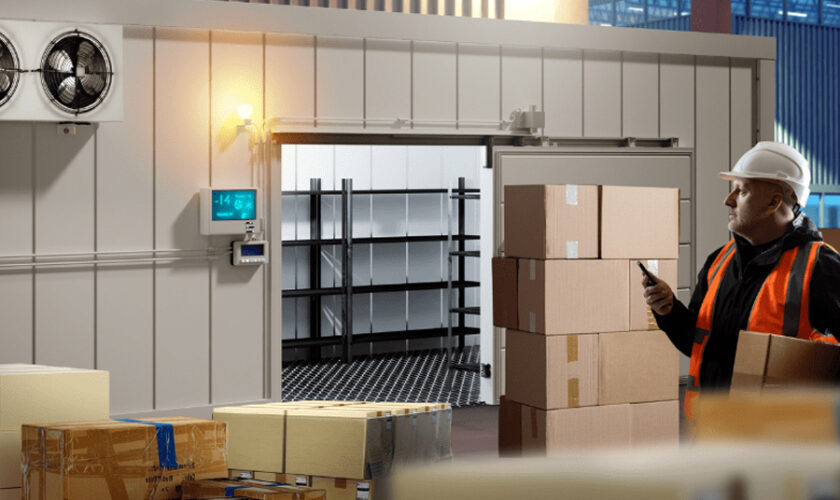
You’re standing in the middle of a bustling pharmaceutical facility, the hum of machinery and the faint chill in the air telling you everything’s working as it should. Temperature-sensitive vaccines, life-saving biologics, and delicate medicines are tucked away in secure spaces, each vial holding a promise of health. That’s the kind of peace of mind a China cold storage solution provider brings to the table—not just cold rooms, but carefully engineered environments where precision meets purpose. Over the past decade, these providers have evolved from simple refrigeration experts into strategic partners for pharmaceutical companies worldwide. They understand that a single degree of fluctuation could compromise an entire batch, so they build reliability into every square inch. It’s not about being flashy, it’s about being trustworthy, especially when you’re dealing with products that can’t afford a moment of doubt.

Now, when you zoom into specialized needs, you quickly come across pharmaceutical cold storage solutions, which are a whole different ball game compared to standard cold storage. Think of it this way: regular cold chains handle produce or frozen food, but pharmaceuticals require ultra-precise temperature bands, often between 2°C and 8°C, with strict humidity control and redundancy built into the system. A China cold storage solution provider knows that the stakes are higher here—lives depend on these conditions. They design rooms with backup power, advanced monitoring systems, and alarm protocols that notify operators the second something goes off. In my chats with facility managers, they often mention how a reliable Pharmaceutical Cold Storage Solutions partner isn’t just a vendor, they’re part of the safety net. It’s that combination of technical know-how and human touch that makes the difference.

Let’s talk about the nitty-gritty of construction. Building a cold storage facility for pharmaceuticals isn’t like throwing up a warehouse, it’s a thoughtful process. A skilled China cold storage solution provider starts with a site assessment, looking at climate, local infrastructure, and potential risks. Then comes the insulation and paneling—materials that create a thermal envelope, keeping the cold in and the heat out. I’ve seen panels that lock together like puzzle pieces, with sealants that can handle years of wear. The refrigeration units themselves are often modular, meaning you can scale up or down as needs change. For a Pharmaceutical Cold Storage Solutions setup, the layout matters too: air circulation must be uniform to avoid hot spots, and shelving should allow for easy access without breaking the seal. Every detail, from door closures to floor coatings, is considered.

Now, here’s where it gets interesting: the regulatory side. Compliance isn’t just a checkbox, it’s woven into every project by a reputable China cold storage solution provider. They’re familiar with Good Distribution Practice (GDP), World Health Organization standards, and local Chinese regulations, which are increasingly aligning with international norms. For example, validation documentation is a big deal—every temperature reading, every alarm test, every calibration has to be recorded and traceable. When you’re dealing with Pharmaceutical Cold Storage Solutions, you’re often handling cargo that crosses borders, so certifications matter. I recall a project where the provider had to adjust the insulation thickness to meet a specific EU directive, and they did it seamlessly. It’s that flexibility under the hood that keeps operations smooth.

Let’s get personal for a second. I’ve toured several facilities built by a China cold storage solution provider, and what strikes me is the attitude of the teams. They’re not just technicians, they’re problem-solvers. One engineer I met told me his proudest achievement was designing a backup system that kept a vaccine storage room at steady 4°C during a city-wide power outage for six hours. That’s the level of care you want with Pharmaceutical Cold Storage Solutions. They often come with remote monitoring platforms too—apps that let you check temp alerts from your phone, giving you control even when you’re miles away. It’s this mix of old-school craftsmanship and modern tech that makes the service feel personal, almost like having a guardian for your products.

But what about the cost side? A common worry is that these high-spec facilities will break the bank. Smart buyers know that a China cold storage solution provider can offer competitive pricing without skimping on quality, thanks to local manufacturing and supply chain efficiencies. The key is to focus on total cost of ownership rather than upfront price. For Pharmaceutical Cold Storage Solutions, energy-efficient compressors, LED lighting (which produces less heat), and good insulation mean lower monthly bills. Plus, the better the build, the less maintenance you’ll need down the line. I’ve seen facilities where the savings from reduced energy use paid for the initial investment within three years. So, it’s not just about spending—it’s about investing in peace of mind.

One more layer to consider: scalability. As your pharmaceutical operations grow, your storage needs might change. A versatile China cold storage solution provider offers flexible designs—maybe a room that can be split into separate zones with different temperature ranges. You might start with a single chamber for vaccines, but later add a section for temperature-sensitive research samples. With Pharmaceutical Cold Storage Solutions, modular construction allows for easy expansion without shutting down existing operations. I’ve visited a facility where they added a second wing during a weekend, and the product was never at risk. That kind of responsiveness is gold.

Wrapping up, it’s clear that choosing the right partner isn’t a commodity purchase, it’s a relationship. A China cold storage solution provider that genuinely understands Pharmaceutical Cold Storage Solutions will guide you through decisions—from panel thickness to alarm settings. They’ll be there during installation, commissioning, and years later when a sensor needs recalibration. So, if you’re building a new facility or upgrading an old one, look for that blend of expertise, transparency, and a bit of heart. After all, in this business, cold doesn’t just keep products fresh—it keeps futures safe.

read more
Industry

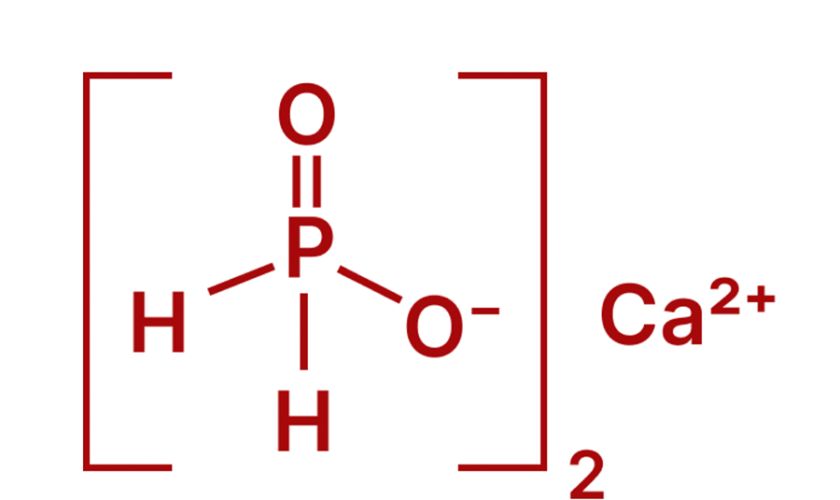
Optimizing Reducing Agents and Flame Retardants: A Comparative Study of Hypophosphorous Acid suppliers and Calcium Hypophosphite Efficacy

Optimizing Reducing Agents and Flame Retardants

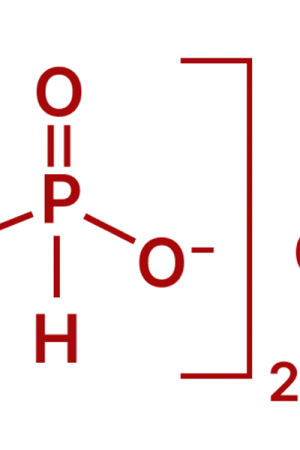
Selecting the right phosphorus-based agent requires a clear-eyed assessment of phase-state trade-offs. While both materials serve as critical reducing agents and flame retardant precursors, their efficacy is dictated by the thermal and chemical environment of the application.

Liquid Dynamics: The Role of Hypophosphorous Acid

In aqueous systems, the performance of the reducing agent depends entirely on concentration stability and the absence of metallic catalysts. For procurement teams vetting Hypophosphorous Acid suppliers, the primary concern is the “assay drift.”

Liquid is volatile

The acid is a powerful monobasic acid. In electroless nickel plating, it acts as the primary electron donor to reduce metal ions into a uniform coating. However, if the supplier does not control for trace iron or heavy metals, the acid begins to disproportionate. This leads to the formation of phosphine gas and phosphoric acid—effectively killing the bath’s efficacy and creating a significant safety hazard.

Solid-State Stability: Calcium Hypophosphite

When the application moves into the realm of engineering plastics or cement additives, the liquid acid is no longer viable. Calcium Hypophosphite becomes the standard. It provides the same hypophosphite ion but in a thermally stable, white crystalline powder.

Solids prioritize structural integrity

For flame retardancy, this salt is often integrated into polyamides. Unlike the liquid acid, it does not introduce water into the polymer melt. Water is the enemy of high-temperature extrusion; it causes “splay” and mechanical degradation. By using a solid salt, manufacturers can achieve a UL 94 V-0 rating without compromising the tensile strength of the finished part.

Comparative Efficacy Benchmarks

The choice between these two agents is a tactical trade-off between “reactivity” and “stability.”

Reaction Velocity:

The liquid acid is more reactive and works at lower temperatures, making it ideal for pharmaceutical synthesis and fine chemical intermediates.

Thermal Window:

The calcium salt can withstand temperatures up to 300°C before significant decomposition begins. It is the “heavy lifter” for high-heat manufacturing.

Byproduct Profile:

The acid leaves behind a liquid acidic residue that may require neutralization. The calcium salt leaves behind a solid calcium phosphate char, which actually helps reinforce the fire-resistant barrier in plastics.

The Vendor Audit: Purity is Performance

Why do some batches fail while others thrive?

It usually traces back to the “insoluble” content in the solid salt or the “color value” of the liquid acid. A low-tier calcium salt might contain residual calcium sulfate. These particles act as stress-concentrators in a plastic part, causing it to snap under pressure. Similarly, a yellowish tint in hypophosphorous acid indicates oxidation—a sign that the reducing power of the batch is already depleted.

Final Technical Positioning

Do not treat these chemicals as interchangeable commodities.

If your process involves moisture-sensitive organic reactions, the solid calcium salt—properly dried—is your safeguard. If you are running a high-volume plating line where instant solubility and high electron density are required, the liquid acid is the only logical choice. Audit your Hypophosphorous Acid suppliers for their heavy metal limits and verify the particle size of your calcium salts.

Precision over price

In the 2026 industrial landscape, the cost of a “bad batch” far exceeds the margin gained by sourcing subpar purity levels. State your analytical requirements upfront; ensure the chemistry matches the heat of your process.

read more
Industry

Built To Move Mountains: A Closer Look At Heavy Machinery Equipment

Built To Move Mountains A Closer Look At Heavy Machinery Equipment

Heavy machinery has a way of making the impossible feel routine. What once took weeks of manual labor can now be done in hours with the right equipment. From construction sites to mining operations, these machines quietly power some of the most important work happening around us.

For many people, heavy equipment is easy to overlook unless you work with it directly. Yet it plays a role in building roads, shaping cities, and supporting industries that keep economies moving. Understanding how these machines work and why they matter offers a deeper appreciation for the scale and precision behind modern infrastructure.

What Counts as Heavy Machinery Equipment

Heavy machinery is a broad term that covers a wide range of equipment designed for demanding tasks. These machines are built to handle large loads, tough environments, and repetitive work that would be impractical for smaller tools.

Common examples include excavators, bulldozers, cranes, and loaders. Each type serves a specific purpose, but they all share a focus on power, durability, and efficiency. Their design reflects the need to perform under pressure without compromising reliability.

Core categories and their roles

Different industries rely on different types of heavy machinery. Construction projects often use excavators for digging and loaders for moving materials. Bulldozers are used to push and level surfaces, while cranes handle lifting tasks that require precision.

In mining and agriculture, specialized machines take on unique challenges. Equipment must adapt to uneven terrain, extreme weather, and continuous use. This diversity highlights how versatile heavy machinery has become over time.

Key components that keep machines running

Behind every powerful machine is a system of components working together. Engines provide the necessary force, while hydraulic systems control movement and precision. Transmission systems ensure that power is delivered efficiently to the right parts of the machine.

These components must be built to withstand intense conditions. Heat, pressure, and constant motion all place stress on the system. High quality parts and proper maintenance are essential for keeping equipment running smoothly.

Why Heavy Equipment Matters in Modern Industry

Heavy machinery is not just about convenience. It is a cornerstone of productivity in industries that shape the physical world. Without it, many projects would take significantly longer or be impossible to complete at scale.

From building highways to maintaining energy infrastructure, these machines enable progress. They allow teams to work faster, safer, and with greater precision than manual methods alone.

Improving efficiency and productivity

One of the biggest advantages of heavy machinery is efficiency. Tasks that once required large crews can now be handled by a few skilled operators. This reduces labor costs while increasing output.

Machines are also designed for consistency. They can perform the same task repeatedly with minimal variation, which is important for projects that require accuracy. This level of reliability helps keep projects on schedule.

Enhancing safety on job sites

Safety is a major concern in industries that involve heavy lifting and hazardous conditions. Modern equipment is designed with safety features that protect both operators and nearby workers.

Cabins are often reinforced and equipped with controls that improve visibility and precision. Automation and advanced monitoring systems help reduce the risk of human error. These improvements make job sites safer while maintaining high levels of productivity.

Choosing the Right Equipment for the Job

Selecting the right machinery is a critical step in any project. The wrong choice can lead to delays, increased costs, and unnecessary wear on equipment. Understanding the specific needs of a job helps guide better decisions.

Factors such as terrain, load requirements, and project timeline all play a role. Matching the equipment to these conditions ensures that work can be completed efficiently and effectively.

Matching machine capabilities to project needs

Each machine is designed with certain capabilities in mind. An excavator may be ideal for digging, but it is not suited for lifting heavy materials over long distances. Similarly, a crane excels at lifting but is not designed for earthmoving tasks.

Evaluating these capabilities helps prevent mismatches. It also ensures that each piece of equipment is used in a way that maximizes its strengths. This approach leads to better results and less strain on the machinery.

Considering cost, maintenance, and lifespan

Cost is always a factor when choosing equipment, but it goes beyond the initial purchase price. Maintenance, fuel consumption, and expected lifespan all contribute to the overall investment.

Reliable equipment may cost more upfront but can save money over time through reduced downtime and repair costs. Regular maintenance also plays a key role in extending the life of machinery and keeping it operating at peak performance.

Technology and Innovation in Heavy Machinery

Heavy machinery has evolved significantly over the years. Advances in technology have transformed how these machines operate, making them more efficient and easier to control.

From digital monitoring systems to automation, modern equipment is becoming smarter. These innovations help operators work more effectively while reducing the risk of errors.

Automation and smart systems

Automation is changing the way heavy machinery is used. Some machines now include features that assist with tasks such as grading, digging, and positioning. These systems use sensors and software to improve accuracy.

Operators still play a central role, but technology provides additional support. This combination of human skill and machine intelligence leads to better outcomes and more consistent performance.

Improving performance with advanced components

The performance of heavy machinery depends heavily on the quality of its components. Innovations in materials and engineering have led to parts that are stronger, lighter, and more efficient.

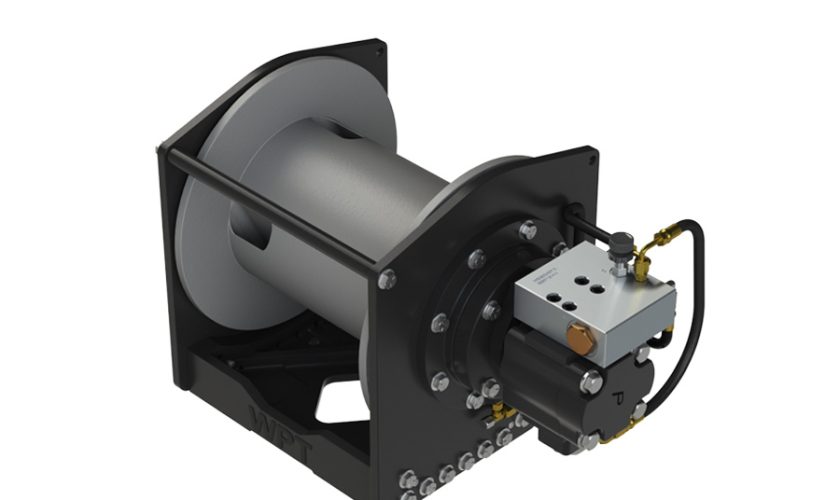
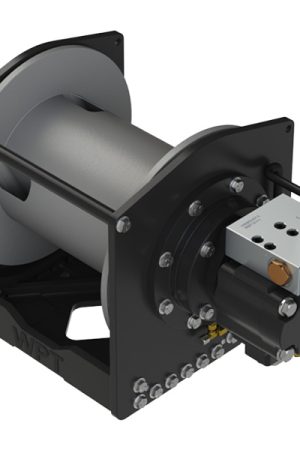
For example, the products by WPT Power Corporation are often used in applications that require reliable power transmission and control. Components like clutches and brakes play a crucial role in managing force and ensuring smooth operation. These advancements contribute to the overall efficiency and durability of modern equipment.

Maintenance and Long Term Reliability

Even the most advanced machinery requires regular care. Maintenance is essential for keeping equipment in good condition and preventing unexpected breakdowns. A proactive approach can save both time and money.

Routine checks and servicing help identify potential issues early. Addressing these problems before they escalate ensures that machines remain reliable throughout their lifespan.

Preventative maintenance strategies

Preventative maintenance involves scheduled inspections and servicing. This includes checking fluid levels, inspecting components, and replacing parts that show signs of wear. These steps help keep equipment operating efficiently.

Staying consistent with maintenance schedules reduces the risk of sudden failures. It also helps maintain safety standards and ensures that machines perform as expected.

Managing repairs and downtime

When repairs are needed, quick action is important. Delays can disrupt projects and increase costs. Having access to skilled technicians and quality replacement parts makes a difference.

Planning for downtime is also part of effective management. Backup equipment or flexible scheduling can help minimize the impact of repairs. This approach keeps projects moving even when challenges arise.

Looking Ahead at the Future of Heavy Machinery

The future of heavy machinery is shaped by ongoing innovation and changing industry needs. As technology continues to advance, equipment is becoming more efficient, sustainable, and user friendly.

Electric and hybrid machines are gaining attention as industries look for ways to reduce environmental impact. At the same time, digital tools are improving how equipment is monitored and managed.

Sustainability and environmental considerations

Reducing emissions and energy use is becoming a priority. Manufacturers are exploring new ways to make machinery more environmentally friendly without sacrificing performance.

This includes developing alternative power sources and improving fuel efficiency. These efforts help align heavy machinery with broader sustainability goals.

Adapting to changing industry demands

Industries that rely on heavy machinery are constantly evolving. New projects, regulations, and technologies create new challenges and opportunities. Equipment must adapt to meet these demands.

Flexibility and innovation will continue to drive progress. As machinery becomes more advanced, it will play an even greater role in shaping the built environment.

Heavy machinery may not always be in the spotlight, but its impact is everywhere. From the roads we travel to the buildings we use every day, these machines help turn plans into reality. Understanding how they work and how to manage them effectively offers valuable insight into the systems that support modern life.

read more
Industry

Innovations in Energy That Will Shape the Next Decade

Innovations in Energy That Will Shape the Next Decade

The next decade promises to be a transformative period for the global energy sector. As the world increasingly shifts towards sustainable practices, innovations in energy technology are rapidly evolving to meet the demands of a greener future. Among these advancements, the development and utilization of critical metals for energy storage and electric vehicles stand out as pivotal elements that will drive the transition to a low-carbon economy.

The Rise of Battery Metals and Green Energy in Canada

Canada is poised to play a significant role in this energy transformation, thanks to its abundant natural resources and forward-thinking mining practices. Lithium Canada and Battery Metals Canada are at the forefront of this shift, tapping into the country’s rich deposits of essential minerals like lithium and spodumene. These elements are crucial for manufacturing batteries that power everything from electric cars to large-scale energy storage solutions, helping to reduce reliance on fossil fuels.

Critical Metals Canada, particularly through initiatives by companies like Lancaster Resources, is leading the charge in the exploration and development of these resources. Lancaster Resources, a junior mining company in Canada, has committed itself to the discovery of critical minerals necessary for electrification and decarbonization. Their operations at James Bay Mines exemplify a strategic approach to mining that prioritizes environmental sustainability and the use of renewable energy sources in their extraction processes.

Technological Innovations in Mining and Energy Storage

The mining industry, especially in sectors like Junior Mining Canada, is witnessing significant technological innovations that not only increase efficiency but also minimize environmental impacts. Advanced techniques in mineral extraction and processing have enabled companies to enhance their productivity while adhering to strict environmental standards. This is particularly important in regions like James Bay, where the ecological footprint of mining activities is a critical concern.

In addition to improvements in mining technology, the next decade will also see advancements in energy storage technologies. Innovations such as solid-state batteries and lithium-sulfur batteries are expected to offer higher energy densities and longer lifespans, which could revolutionize the energy storage market. These technologies will be crucial in managing the intermittent nature of renewable energy sources like solar and wind, making them more reliable and efficient.

Canada’s Role in the Global Green Energy Landscape

Green Energy Canada is not just a national agenda but part of a global movement towards sustainable energy practices. Canadian companies and research institutions are at the helm of developing and implementing technologies that could define the future of global energy consumption. The country’s commitment to green energy is supported by its proactive governmental policies and investments in clean energy projects, which further solidify its position as a leader in the global green energy sector.

The Future of Energy: A Decade of Promise and Potential

As we look to the future, the role of critical metals and innovative mining practices in shaping the energy landscape cannot be overstated. With companies like Lancaster Resources leading by example, the mining industry’s future is not just about extraction but about contributing positively to the world’s energy solutions. The next decade will likely see these elements come together in a powerful synergy of technology, policy, and corporate responsibility, driving us towards a more sustainable and energy-efficient world.

The journey towards a greener planet is filled with challenges, but with the continuous advancements in technology and the increasing global commitment to sustainability, the goals of energy efficiency and reduced carbon footprints are becoming more attainable. The innovations in energy and mining sectors in Canada and beyond are setting the stage for a promising decade of growth and sustainability.

read more
Industry

Balancing Cost and Performance from a Well Pump Supplier

Balancing Cost and Performance from a Well Pump Supplier

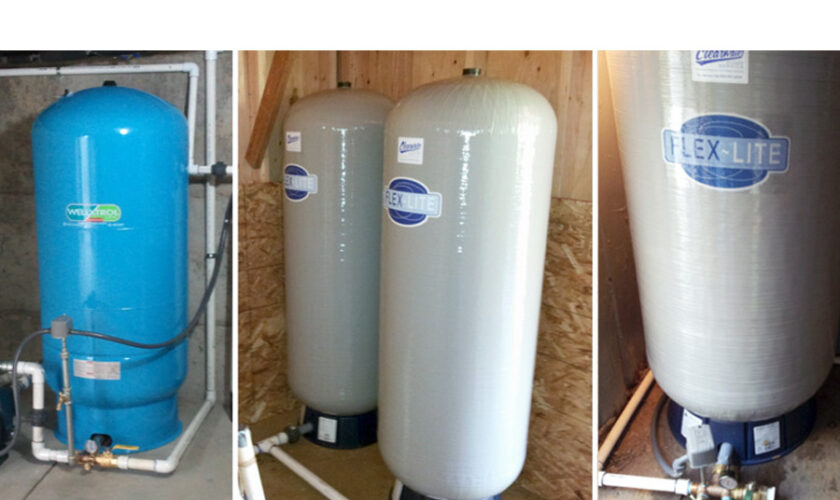
Selecting the appropriate well pump supplier is a pivotal decision for homeowners, businesses, and agricultural operations. The performance of a water system directly influences accessibility, energy efficiency, and long-term operational reliability. Yet, achieving the ideal balance between cost and performance often presents a complex challenge. The right well pump and tanks not only guarantee a consistent water supply but also help keep maintenance and operating costs within reasonable limits. Whether addressing domestic needs or fulfilling large-scale agricultural demands, understanding how to balance these considerations ensures you make a choice that supports both immediate and future goals. This guide delves into the factors influencing water system selection, equipping you to make a well-informed decision.

Understanding System Types and Applications

The foundation of a successful selection process lies in recognizing the different water system types and their specific applications. Submersible systems, designed to operate underwater, excel in deep-source applications where efficiency and pressure are paramount. These systems provide dependable water delivery even from significant depths, making them indispensable for large properties or agricultural needs. Conversely, jet systems are tailored for shallower sources, offering cost-effective solutions with reliable output. These systems are particularly popular in residential settings due to their simplicity and affordability. For operations requiring substantial water volumes over extended distances, turbine systems offer unparalleled performance. Their robust design and high-capacity capabilities make them ideal for industrial and agricultural settings. Choosing the correct type hinges on understanding the depth of your water source, the volume required, and the specific demands of your application. Each system type presents unique advantages and limitations, so aligning these attributes with your goals is essential for achieving both cost-efficiency and peak performance.

Evaluating Energy Efficiency

Energy efficiency stands as a cornerstone of any water system’s overall value. Systems with higher efficiency ratings may initially come with a steeper price tag, but their ability to minimize energy consumption often results in significant long-term savings. Look for units equipped with advanced motor technologies such as variable speed drives, which adjust performance based on real-time demand. This innovation reduces unnecessary energy use, optimizing operational costs.  Incorporating energy-efficient models into your selection process benefits more than just your budget—it contributes to broader sustainability efforts. Over time, the compounded savings on electricity costs validate the investment in high-efficiency systems, especially for applications requiring continuous or high-volume water delivery.

Considering Material and Durability

The longevity and reliability of a water delivery system heavily depend on its construction materials and durability. In environments with challenging water conditions—such as high mineral content, sediment, or sand—systems constructed from corrosion-resistant materials like stainless steel or advanced thermoplastics tend to outperform others. These materials resist wear and tear, reducing the frequency of maintenance and extending the system’s operational lifespan. Critical components such as seals, impellers, and bearings must also be scrutinized for quality and resilience. Systems designed with robust parts are less likely to suffer from breakdowns, even under demanding conditions. While durable systems may command a higher initial investment, they frequently offset these costs through reduced repair needs and longer service life. For users in rural or remote areas, where system reliability is paramount, prioritizing durability ensures consistent performance without interruptions caused by mechanical failures.

Balancing Cost and Long-Term Value

Though upfront costs are a significant factor in selecting a water delivery system, they only represent part of the equation. It is crucial to consider the long-term value the well pump and tanks offer. Budget-friendly options might appear attractive initially, but they often entail hidden costs such as frequent repairs, inefficiencies, or shorter lifespans. Conversely, higher-quality systems equipped with advanced features and durable construction may demand a larger initial investment but yield substantial savings in the long run. To effectively weigh these trade-offs, calculate the total cost of ownership, which encompasses purchase price, installation expenses, energy consumption, and anticipated maintenance. Systems with superior reliability and lower operational costs often justify their higher initial price, delivering unmatched value over their lifetime. Striking the right balance involves aligning your immediate budget constraints with your long-term expectations for performance and dependability.

The Role of Professional Guidance

Navigating the complexities of water system selection is made easier with professional advice. Consulting with experienced technicians or engineers can provide clarity on the specific requirements of your project. Professionals assess variables such as water demand, source characteristics, and energy constraints to recommend systems tailored to your needs. Additionally, they can offer insights into emerging technologies and installation best practices that enhance efficiency and cost-effectiveness. Partnering with knowledgeable individuals not only reduces the risk of selecting an ill-suited system but also ensures seamless integration into your existing infrastructure. Investing in professional guidance may entail additional costs upfront, but the long-term benefits of optimized performance and minimized issues make it a worthwhile consideration.

Choosing the right water delivery system involves a careful evaluation of multiple factors, from system types and energy efficiency to material durability and long-term cost implications. By understanding your specific requirements and balancing these elements, you can select a well pump supplier that provides reliable water delivery while optimizing both upfront and operational costs. Remember, the goal isn’t simply to find the cheapest option but to identify a system that offers durability, efficiency, and value over time. Whether for residential, commercial, or agricultural purposes, investing in the right water system is a step toward securing a steady and efficient supply for years to come. Taking the time to make an informed decision now ensures your system will meet your needs today and adapt to challenges in the future.

read more
Industry

Overcoming Power Delivery Challenges in 3D-Stacked Semiconductor Devices

Overcoming Power Delivery Challenges in 3D Stacked Semiconductor Devices

The rise of 3D-stacked semiconductor devices has revolutionized chip design, enabling unprecedented performance and density. However, this advancement comes with significant challenges, particularly in delivering power efficiently and reliably across multiple layers. To address these issues, the industry is turning to innovative solutions such as advanced interposers and silicon bridges. Erik Hosler, an expert in power delivery systems and semiconductor innovation, highlights how these cutting-edge techniques are enhancing energy efficiency and reliability in multi-layer chip architectures.

Advanced Interposers: Streamlining Power Distribution

Interposers, used to connect various layers of 3D-stacked devices, play a critical role in improving power delivery. Modern interposers incorporate embedded power delivery networks (PDNs) that distribute power more efficiently by reducing resistance and inductance.

These advanced interposers ensure that power reaches each chip layer with minimal loss, preventing overheating and maintaining stable performance. By optimizing the routing of power and signal lines, they also minimize crosstalk and interference, which are common issues in densely packed 3D structures.

Silicon Bridges: Bridging the Gap for Efficient Power Flow

Silicon bridges, another breakthrough in power delivery, serve as direct pathways between chiplets in a 3D package. Unlike traditional interconnects, silicon bridges enable high-speed, low-loss power transmission by integrating fine-pitch vias and microbumps.

These structures improve the reliability of power delivery by reducing the distance and resistance between components. In addition, silicon bridges allow for greater design flexibility, enabling customized power solutions tailored to the unique needs of specific applications, such as high-performance computing and AI accelerators.

AI-Driven Power Optimization

Artificial intelligence is playing a key role in addressing power delivery challenges in 3D-stacked devices. By analyzing real-time data, AI-powered systems can dynamically adjust voltage levels and power distribution to optimize energy efficiency and prevent overloading.

“Accelerator technologies, particularly in ion implantation, are enabling manufacturers to push the limits of miniaturization while maintaining the integrity of semiconductor devices,” stresses Erik Hosler. These advancements, combined with AI-driven insights, ensure that power delivery systems remain robust even as devices grow smaller and more complex.

Pioneering a Reliable Future for 3D Devices

Innovations such as advanced interposers, silicon bridges and AI-driven optimization are transforming power delivery in 3D-stacked semiconductor devices. By addressing the unique challenges of multi-layer architectures, these solutions ensure that performance and reliability go hand in hand.

As the industry continues to push the boundaries of miniaturization and integration, these power delivery breakthroughs will play a pivotal role in shaping the future of semiconductor technology.

read more
Industry

The challenges and solutions for cold chain in high-traffic urban environments

The challenges and solutions for cold chain in high traffic urban environments

Urbanization is a global trend that presents unique challenges and opportunities for the cold chain industry. With over 55{42f22524752c9315c5fc620fcf827f5a9ba4a5ec7392f3dd6acee0af5a0eb151} of the world’s population now living in urban areas—a figure projected to rise to 68{42f22524752c9315c5fc620fcf827f5a9ba4a5ec7392f3dd6acee0af5a0eb151} by 2050 according to the united nations—ensuring the efficient operation of cold chains in high-traffic urban environments has become increasingly critical. This blog post explores the complex challenges faced by cold chain logistics in densely populated cities and highlights innovative solutions that are being implemented to overcome these obstacles.

Urban cold chain challenges

Congestion and accessibility:

One of the primary challenges in urban cold chain logistics is traffic congestion, which can lead to significant delays in the delivery of temperature-sensitive products. Narrow streets and restricted areas further complicate accessibility, increasing the risk of product spoilage.

Statistical insight:

According to a study by the texas a&m transportation institute, traffic congestion causes over $160 billion in lost productivity annually in the united states alone, significantly impacting logistics operations including the cold chain.

Energy efficiency and environmental concerns:

Urban areas are also hotspots for environmental concerns, with emissions from refrigerated transport contributing to air pollution and climate change. Traditional refrigeration units used in vehicles and storage facilities are energy-intensive and often rely on greenhouse gas-emitting refrigerants.

Innovation in focus:

Advances in electric and hybrid refrigeration units are helping to reduce the carbon footprint of urban cold chains. Companies like carrier and thermo king are leading the way in developing more sustainable refrigeration technologies for vehicles and warehouses.

Innovative solutions for urban cold chains

Micro-fulfillment centers: to tackle congestion and accessibility issues, businesses are turning to micro-fulfillment centers (mfcs) located within or near urban centers. These smaller distribution hubs can expedite the delivery process, reduce travel distances, and improve the overall efficiency of the cold chain.

Case study:

In new york city, companies like amazon fresh and ocado have established mfcs to facilitate faster delivery of perishable goods, demonstrating a significant reduction in delivery times and improved customer satisfaction.

Urban vertical farming:

Urban vertical farms offer a sustainable solution to reduce the cold chain’s length by growing produce directly in cities. These high-tech farms use controlled environments to produce fresh fruits and vegetables year-round, minimizing the need for long-distance transportation and refrigeration.

Success story:

Aerofarms, a leader in vertical farming, operates several facilities in urban areas, supplying local supermarkets with fresh produce that requires minimal transportation and refrigeration, thereby reducing the environmental impact.

Advanced packaging technologies:

Innovative packaging solutions are being developed to maintain the temperature integrity of perishable goods during transit. These include phase change materials (pcms), insulated containers, and smart packaging that can monitor and report the temperature in real-time.

Technology spotlight:

Smart packaging equipped with iot sensors is becoming increasingly popular, allowing companies to monitor the condition of goods in real-time and take corrective actions if temperatures deviate from the required range.

Eco-friendly refrigerated transport:

Electric and hybrid refrigerated vehicles are emerging as a solution to the environmental challenges posed by traditional refrigerated transport. These vehicles produce fewer emissions and are better suited for navigating urban environments.

Pioneering effort:

In london, the adoption of electric refrigerated vans for last-mile delivery of perishable goods has been shown to reduce emissions by up to 40{42f22524752c9315c5fc620fcf827f5a9ba4a5ec7392f3dd6acee0af5a0eb151} compared to diesel vans, according to a study by the university of cambridge.

Conclusion

The challenges of managing cold chains in high-traffic urban environments are significant but not insurmountable. Through innovative approaches such as micro-fulfillment centers, urban vertical farming, advanced packaging technologies, and eco-friendly refrigerated transport, businesses can enhance the efficiency and sustainability of urban cold chains. As cities continue to grow, these solutions will play a vital role in ensuring the timely, safe, and environmentally responsible delivery of temperature-sensitive products to urban consumers.

read more
Industry

Aluminium Profiling and Its Diverse Applications

Aluminium Profiling and Its Diverse Applications

Introduction:

As we celebrate the 1-year anniversary of our exploration into the world of materials and manufacturing processes, it’s only fitting that we delve into the realm of aluminium profiling – a crucial technique that has revolutionized industries across the globe. Aluminium, known for its lightweight, corrosion-resistant properties, becomes even more versatile when subjected to profiling, opening up a myriad of applications that span from aerospace to construction.

Understanding Aluminium Profiling:

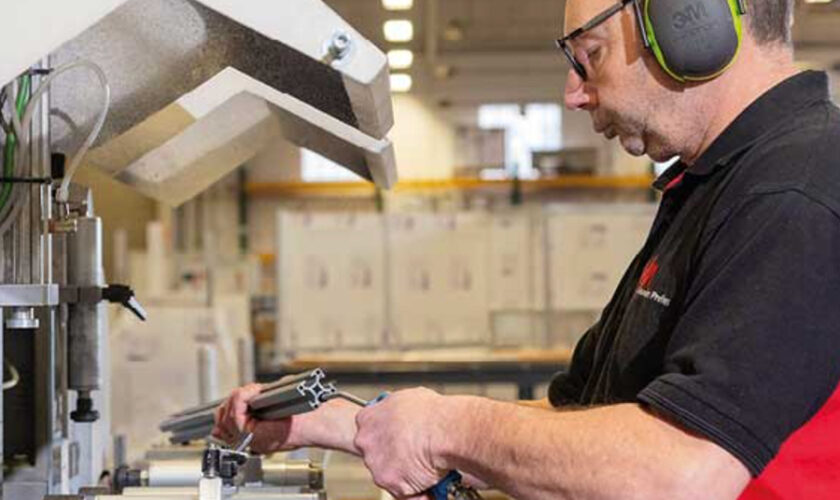
Aluminium profiling involves the shaping and manipulation of aluminium profiles or extrusions to achieve specific designs and functionalities. This process typically employs techniques such as cutting, bending, machining, and finishing to create customized shapes suited to various applications. The versatility of aluminium allows it to be easily transformed into intricate profiles, making it an ideal material for a wide range of industries.

Aerospace Advancements:

One of the primary beneficiaries of aluminium profiling is the aerospace industry. Aircraft, satellites, and space shuttles rely heavily on aluminium profiles for their structural components. The lightweight nature of aluminium helps reduce overall aircraft weight, contributing to fuel efficiency and improved performance. Profiling allows manufacturers to create complex structures that meet the stringent standards of aerospace engineering, ensuring safety and reliability in every flight.

Architectural Marvels:

In the realm of architecture, aluminium profiling has become synonymous with modernity and innovation. From sleek facades to durable window frames, architects and builders turn to aluminium for its aesthetic appeal and structural integrity. The ability to create custom profiles ensures that architects can bring their design visions to life, whether it’s for residential homes or towering skyscrapers. Additionally, the corrosion-resistant properties of aluminium make it an excellent choice for structures in diverse environmental conditions.

Renewable Energy Solutions:

As the world shifts towards sustainable practices, aluminium profile plays a pivotal role in the renewable energy sector. Solar panel frames, wind turbine components, and other renewable energy infrastructure often utilize aluminium profiles due to their strength, durability, and resistance to corrosion. The lightweight nature of aluminium also contributes to easier transportation and installation, reducing the overall environmental impact of renewable energy projects.

Transportation Evolution:

Aluminium profiling has significantly impacted the automotive and transportation industries. From car frames to railway components, the use of aluminium profiles enhances fuel efficiency without compromising on safety. Lightweight vehicles consume less fuel, contributing to reduced carbon emissions. The versatility of aluminium allows manufacturers to experiment with designs, creating vehicles that are not only eco-friendly but also visually appealing.

Consumer Electronics and Beyond:

In the realm of consumer electronics, aluminium profiling has become a staple. Laptops, smartphones, and other electronic devices often feature aluminium exteriors, combining aesthetics with functionality. The excellent thermal conductivity of aluminium also makes it an ideal material for heat sinks in electronic devices, ensuring optimal performance and longevity.

read more
Industry

How Factories Benefit From The Installation Of Solar Cell

Solar energy from the sun can meet the huge global need for a year. The Sun is the most powerful source in the universe. Yet we are unable to collect a fraction of its energy. However, with industrial solar cell installation (ติดตั้งโซล่าเซลล์โรงงาน, which is the term in Thai) and solar power installation, one can create a drastic difference in this planet.

Solar power system gains clean and pure energy from the sun. Hence installing solar modules can combat the dependency of people on fossil fuels and reduce greenhouse gas emissions. Here are a few benefits of installing solar cells in industrial belts.

● Electricity Saving

Electricity costs are rising day by day. The bill for the warehouse represents 15{4d41e8de783dc72247934c88b72fa73fd0fbc65984ee900f81ca57b33331f686} to 20{4d41e8de783dc72247934c88b72fa73fd0fbc65984ee900f81ca57b33331f686} of the total cost. Industry or business uses a lot of electricity to power the equipment or the interior and exterior lights. Hence the best way to control the cost is to find an alternative source of energy like solar energy.

● Protection Against Increasing Power Cost

The cost of electricity is rising at an alarming rate. Over the past few years, this has been a reason for concern for many. All Solar Energy provides a more sustainable and fixed-cost solution. This solution, however, comes with a life span of 25 to 30 years. Monitoring and maintaining the bills of your solar energy are cheap.

● Increase In The Value Of Property

Installing solar planets in industrial areas can increase the value of the place. For instance, if the factory or warehouse is meant for renting, it can help you to get quick clients. The increasing value of energy efficiency is convenient for every individual.

● Reduce Carbon Emission

Reducing the footprints and saving the planet is the need of the hour. Unlike any other fossil fuels, the energy from the Solar installation generates electricity with no inputs other than the sunlight and no ssh and waste products.

Nowadays, more companies are approaching the appliances and technology that produce low carbon emissions.

● Roof Protection

Industrial solar cell installation on the roof can help cool down the roof from the harsh sun rays. Solar panel absorbs the light to produce power and protect the roof of the factory and warehouse from direct sunlight.

At the same time, this solution helps reduce the facility’s temperature while making it convenient for the owner. With so many advantages, why would anyone not opt for solar cell installation in commercial space?

read more
1 2
Page 1 of 2