



close

Auto

Auto

Is 6-Month Leasing Closer to Ownership or Renting?

Is 6 Month Leasing Closer to Ownership or Renting

Key Takeaways

  • Car leasing sits between ownership and renting, but a 6-month lease leans slightly closer to structured renting with added responsibility
  • Car leasing for 6 months offers more stability than daily or monthly rentals but lacks the long-term financial benefits of ownership
  • Cost structure, commitment level, and usage expectations determine whether it behaves more like renting or ownership
  • Drivers must evaluate flexibility versus cost efficiency when choosing short-term leasing

Introduction

Car leasing in the city-state is often positioned as a middle ground between owning a vehicle and renting one. However, when the lease duration is shortened to six months, the distinction becomes less clear. Car leasing for 6 months introduces a hybrid model that combines elements of both renting and ownership, but not always evenly. Knowing where it truly sits requires looking at cost structure, commitment level, and behavioural expectations rather than relying on labels.

Cost Structure

From a financial standpoint, car leasing for 6 months resembles renting more than ownership. Monthly costs are typically higher on a pro-rated basis compared to long-term leases, as providers price in flexibility and higher turnover risk. Unlike ownership, there is no asset accumulation or resale value to offset these expenses. This quality makes the financial outcome closer to renting, where payments are purely for usage rather than equity.

However, compared to daily or short-term rentals, car leasing still provides a more predictable and bundled pricing structure. Maintenance, insurance, and road tax are usually included, reducing variable costs. This structured packaging is a characteristic of leasing rather than traditional renting, even if the cost efficiency does not match longer commitments.

Commitment Level

A key distinction lies in commitment. Renting is typically flexible, allowing termination with minimal notice. Ownership, on the other hand, involves long-term financial obligations. Car leasing for 6 months falls between these extremes. While the duration is short, the agreement itself is still contractual and binding.

Drivers cannot exit freely without penalties, which introduces a level of commitment closer to ownership than renting. Simultaneously, the limited six-month horizon prevents long-term lock-in. This instance creates a controlled commitment structure: short in duration but firm in obligation. This balance is the primary appeal of car leasing for many users.

Usage Behaviour

How drivers treat the vehicle also reveals whether a 6-month lease aligns more with renting or ownership. Users with daily rentals often prioritise convenience over care, knowing the vehicle will be returned quickly. Ownership encourages long-term maintenance and careful use.

Car leasing for 6 months tends to push behaviour closer to ownership. Drivers are responsible for the vehicle over a sustained period, and wear-and-tear conditions are usually enforced at return. This instance discourages careless use and encourages consistent upkeep. While the car is not owned, the duration is long enough to establish a sense of responsibility that is absent in short-term rentals.

Flexibility

Flexibility is where the hybrid nature becomes most visible. Renting offers maximum flexibility, while ownership offers minimal. Car leasing in Singapore, particularly for six months, provides moderate flexibility. It allows drivers to commit without locking into multi-year agreements, which is useful for transitional periods such as job changes, relocations, or temporary projects.

However, it is still less flexible than renting due to fixed terms and penalties for early termination. This instance positions car leasing for 6 months as a structured alternative rather than a fully flexible one. Users gain predictability at the cost of immediate exit options.

So, Is It Closer to Ownership or Renting?

In practical terms, car leasing for 6 months leans slightly closer to renting in financial outcome but closer to ownership in behaviour and responsibility. You pay for usage without building value, which mirrors renting. Similarly, you manage the vehicle over a sustained period with contractual obligations, which reflects ownership-like discipline.

This dual nature is why car leasing continues to appeal to drivers who need stability without long-term commitment. It is not a perfect substitute for either model, but rather a controlled compromise between the two.

Conclusion

A 6-month lease is best understood as structured renting with elements of ownership layered in. It delivers predictability and responsibility without the long-term financial exposure of buying a car. That said, for drivers navigating temporary needs or uncertain timelines, it provides a balanced solution, but not necessarily the most cost-efficient one. The decision ultimately depends on whether flexibility or long-term value is the priority.

Contact Eurokars Leasing and choose a mobility plan that gives you control without unnecessary complexity.

read more
Auto

Keeping The Journey Rolling: What To Know About RV Repair And Maintenance

Keeping The Journey Rolling What To Know About RV Repair And Maintenance

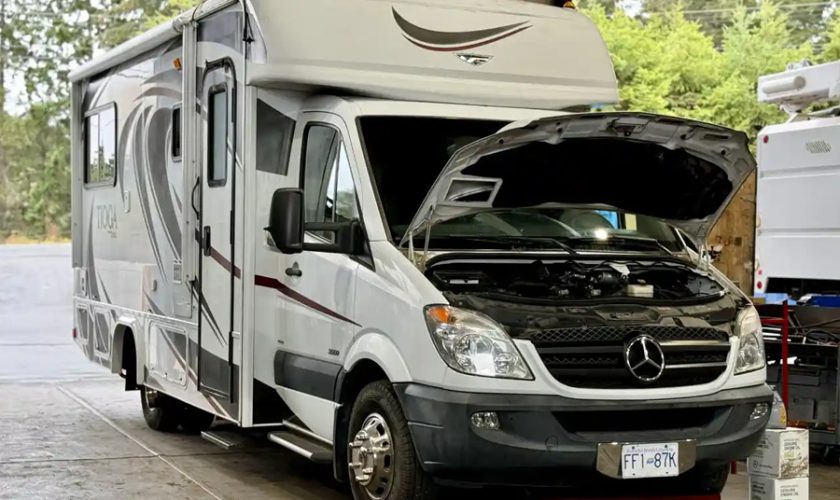
Owning an RV often starts with a sense of freedom. The open road, flexible travel plans, and the comfort of bringing your own space wherever you go all make the experience unique. But like any vehicle that combines transportation with living space, an RV requires regular care to stay reliable.

At some point, every owner faces repairs. It might be a small issue like a leaking faucet, or something more complex involving electrical systems or exterior damage. Understanding how RV repair services work can help you respond with confidence instead of stress when those moments come up.

Why RV Repairs Are Different From Standard Vehicle Work

RVs are not just larger vehicles. They are a combination of mechanical systems, electrical setups, plumbing, and interior structures. This complexity makes repairs more involved than what you would expect with a standard car or truck.

Because of this, technicians need a broader skill set. They must understand engines and drivetrains, but also appliances, water systems, and insulation. A single issue can sometimes involve multiple systems, which is why specialized repair services are so important.

The blend of home and vehicle systems

An RV functions as both transportation and living space. Inside, you have features like beds, kitchens, bathrooms, and climate control. Each of these relies on systems that must work together smoothly.

When something goes wrong, the problem may not be immediately obvious. A leak could originate from plumbing, roof damage, or even condensation from poor insulation. Diagnosing these issues requires experience and a methodical approach.

Wear and tear from constant movement

Unlike a stationary home, an RV is always in motion. Every mile traveled adds stress to its structure and components. Roads, weather conditions, and long trips can all contribute to gradual wear.

This constant movement can loosen fittings, strain seals, and create small vulnerabilities that grow over time. Regular inspections and timely repairs help prevent these minor issues from becoming major problems.

Common RV Repairs Every Owner Should Expect

Even with careful maintenance, certain repairs are almost unavoidable. Knowing what to expect can help you prepare and address issues before they escalate. Many common repairs fall into a few key categories.

These include roof and exterior damage, plumbing issues, electrical problems, and appliance malfunctions. Each area plays a critical role in keeping your RV functional and comfortable.

Roof leaks and exterior damage

The roof is one of the most vulnerable parts of an RV. Exposure to sun, rain, and temperature changes can weaken seals and materials over time. Small cracks or gaps can allow water to enter, leading to interior damage.

Exterior panels and seams can also suffer from impact or wear. Addressing these issues quickly is essential to prevent water damage and structural problems. Regular inspections help catch early signs before they worsen.

Plumbing and water system issues

Plumbing in an RV is more compact than in a traditional home, which can make it sensitive to pressure changes and movement. Leaks, clogged lines, and faulty pumps are among the most common issues.

Water heaters and tanks may also require maintenance or repair. Keeping these systems in good condition ensures a steady supply of water and prevents damage from leaks or pressure buildup.

Understanding RV Collision and Structural Repairs

Accidents happen, even to the most careful drivers. When they do, repairing an RV involves more than fixing surface damage. Structural integrity and safety must be restored as well.

This is where RV collision repair becomes essential. Unlike standard vehicle repairs, these projects often involve both mechanical and structural work. Technicians must ensure that the RV remains safe to drive and live in after repairs are completed.

Assessing damage after an accident

After a collision, the visible damage is only part of the picture. Hidden issues may affect the frame, alignment, or internal systems. A thorough inspection helps identify all areas that need attention.

Professionals use specialized tools and techniques to evaluate the extent of the damage. This step is critical for planning repairs that fully restore the RV’s functionality and safety.

Restoring both function and appearance

Repairing an RV after a collision involves balancing structural integrity with visual restoration. Panels, paint, and finishes need to match the original look as closely as possible.

At the same time, underlying systems must be repaired or replaced to ensure proper operation. This dual focus helps bring the RV back to a condition where it feels both safe and comfortable to use again.

Choosing the Right RV Repair Service

Finding a reliable repair service can make a big difference in both the quality of work and your overall experience. Not all repair shops have the expertise needed for RVs, so it is important to choose carefully.

A good repair service will communicate clearly, provide accurate estimates, and stand behind their work. Taking time to research options can help you avoid unnecessary stress later on.

What to look for in a repair shop

Experience with RVs is one of the most important factors. Technicians should be familiar with different types of RVs and the systems they use. Certifications and training can also indicate a higher level of expertise.

Clean facilities and organized workspaces often reflect attention to detail. Customer reviews and recommendations can provide insight into how a shop operates and treats its clients.

Questions to ask before committing

Before choosing a repair service, it is helpful to ask a few key questions. These might include timelines, warranty coverage, and the scope of work involved. Clear answers help set expectations and build trust.

It is also important to understand how unexpected issues will be handled. Repairs can sometimes reveal additional problems, so knowing how the shop communicates changes can prevent surprises.

Preventative Maintenance and Long Term Care

While repairs are sometimes unavoidable, preventative maintenance can reduce their frequency and severity. Regular care helps keep your RV in good condition and extends its lifespan.

Simple habits, combined with periodic professional inspections, can make a significant difference. Staying proactive allows you to address small issues before they grow into larger ones.

Routine checks that make a difference

Routine inspections should include checking seals, tires, fluid levels, and electrical connections. These basic steps can catch early signs of wear and prevent breakdowns during trips.

Cleaning and maintaining the exterior also plays a role. Keeping surfaces protected from the elements helps preserve materials and reduce the risk of damage over time.

Seasonal preparation and storage tips

Preparing your RV for different seasons is another important aspect of maintenance. Cold weather, for example, can affect plumbing systems if they are not properly winterized.

Proper storage practices also help protect your RV when it is not in use. Covering it, maintaining ventilation, and checking it periodically can prevent issues from developing during downtime.

Balancing Freedom With Responsibility

Owning an RV offers a unique kind of freedom. You can travel at your own pace, explore new places, and bring the comforts of home along for the journey. But that freedom comes with responsibility.

Taking care of your RV ensures that it remains reliable and safe. Repairs and maintenance are part of the experience, not something separate from it. When handled well, they allow you to focus on the road ahead rather than unexpected setbacks.

In the end, a well maintained RV is more than just a vehicle. It is a space that supports your travels and memories. Investing in proper repair services helps keep that experience smooth, so you can continue exploring with confidence.

read more
Auto

Why PHV Car Rental in Singapore is the Smarter Choice for Modern Drivers

Why PHV Car Rental in Singapore is the Smarter Choice for Modern Drivers

Key Takeaways

  • PHV car rental in Singapore allows drivers to bypass the massive upfront costs associated with the Certificate of Entitlement (COE).
  • Strategic benefits of car leasing include fixed operational costs and bundled maintenance services.
  • Optimising your ride-hailing income by matching vehicle choice with fuel-efficient hybrid technologies.
  • The flexibility of leasing structures allows you to test the ride-hailing industry without long-term financial risk.

Introduction

With ride-hailing platforms continuing to attract passengers who prioritise convenience, drivers often look for ways to enter the industry without the large financial commitment associated with purchasing a car outright. This is where PHV car rental and car leasing in Singapore have gained significant traction. Instead of owning a vehicle, drivers can lease one for a fixed period, allowing them to focus on operating their ride-hailing service. Yet many first-time drivers approach leasing with a limited understanding of how these arrangements actually work. The difference between rental structures, maintenance coverage, and financial commitments can significantly affect long-term earnings.

The Hidden Economics of Leasing Versus Buying

COE prices fluctuate depending on demand, often reaching substantial levels that significantly increase the upfront cost of purchasing a vehicle. Earnings depend on working hours, passenger demand, and operating costs such as fuel and maintenance. Leasing provides an alternative entry point because drivers pay a predictable weekly or monthly fee instead of financing the full purchase price. In the context of PHV car rental in Singapore, this structure helps drivers preserve capital while gaining immediate access to a vehicle that is already approved for private-hire use.

The PHV Regulatory Model

A Private Hire Vehicle (PHV) operates differently through digital ride-hailing platforms. In Singapore, drivers must hold a Private Hire Car Driver’s Vocational Licence (PDVL) issued by the Land Transport Authority. Because PHV vehicles must meet strict regulatory requirements, not every privately owned car can be used for ride-hailing. Leasing companies supply vehicles already configured for ride-hailing operations, including commercial insurance coverage and regulatory compliance. Through car leasing, vehicles are typically equipped with the necessary decals, blue labels, and documentation.

The Advantage Many Drivers Overlook

Leasing terms range from several months to a year, allowing drivers to evaluate whether ride-hailing suits their lifestyle without being tied down to a 10-year COE cycle. This flexibility is particularly valuable for individuals exploring driving as a secondary income. Instead of committing to long-term ownership, they can experiment with driving schedules and earnings potential while using car leasing that matches their financial comfort level. This adaptability is the primary reason leasing remains the most common entry pathway for ride-hailing professionals.

Maintenance and Operational Considerations

Maintenance costs can vary depending on vehicle type and usage. Many PHV car rentals include maintenance services. This may involve routine servicing, wear-and-tear replacements like tyres and brake pads, or technical support if the vehicle develops issues during the lease period. Within car leasing in Singapore, these maintenance arrangements reduce operational uncertainty. Instead of worrying about unexpected repair bills, drivers can plan around fixed leasing payments and predictable running costs, ensuring their daily takings are not suddenly wiped out by a trip to the workshop.

Choosing the Right Vehicle for Maximum Profit

Vehicle selection is a critical factor that influences profitability in ride-hailing. Drivers often consider fuel efficiency, passenger comfort, and luggage capacity when choosing a vehicle from a fleet. Hybrid cars can reduce fuel consumption and emissions compared with traditional petrol vehicles, making them attractive options for drivers who spend long hours on the road. Drivers can directly influence both their daily operating expenses and their overall passenger satisfaction ratings.

Income Planning as a Strategic Perspective

Ride-hailing earnings vary widely depending on demand patterns, time of day, and driving strategy. Drivers who succeed analyse peak hours, popular pickup locations, and event-based demand surges. By aligning their schedules with passenger demand, they maximise the benefits of their PHV car rental. A common strategy involves driving during high-demand periods such as morning and evening commuting hours, weekends, and public events. Effective scheduling ensures the vehicle generates sufficient revenue to cover its operating costs before profit is calculated.

Conclusion

Leasing a vehicle for ride-hailing involves a strategic business decision. Behind the process lies a series of considerations. The insights behind PHV car rental and car leasing in Singapore reveal how flexibility, financial predictability, and operational convenience shape the modern driving landscape. For individuals exploring ride-hailing as a career or supplementary income stream, leasing offers a way to enter the industry without the long-term financial burden of vehicle ownership. By understanding the hidden mechanics of leasing arrangements, drivers can make informed decisions that align with both their financial goals and lifestyle preferences.

Ready to find the perfect vehicle for your needs? Enquire at Ecube Auto and find a plan that balances cost and comfort perfectly today.

read more
Auto

What Happens at the End of a Long-Term Car Lease?

What Happens at the End of a Long Term Car Lease

Key Takeaways

  • The end of a long-term car leasing contract usually involves a formal vehicle return inspection and administrative closure of the agreement.
  • Leasing companies assess mileage, wear and tear, and any outstanding obligations before finalising the contract.
  • Drivers may need to pay excess mileage charges or repair costs if the vehicle condition falls outside acceptable standards.
  • Some car leasing contracts allow drivers to extend the lease or replace the vehicle with a new lease agreement.
  • Documentation, final payments, and account closure complete the end-of-lease process.

Introduction

The end of a long-term car leasing contract marks the final stage of a structured vehicle usage agreement between the driver and the leasing provider. Unlike vehicle ownership, where the owner decides when to sell or replace the car, car leasing follows a predefined timeline. Once the contract period concludes, several operational and administrative processes take place to formally close the agreement. These steps typically involve vehicle return procedures, condition assessments, financial adjustments, and documentation. Knowing what happens at this stage helps drivers prepare for the transition and avoid unexpected charges or delays.

Vehicle Return and Initial Inspection

One of the first things that happens at the end of a long-term car leasing contract is the return of the vehicle to the leasing company or an authorised inspection centre. The vehicle must be returned on or near the contract end date specified in the car leasing agreement.

The leasing provider conducts an initial inspection during this stage to confirm that the vehicle matches the registered lease asset and that all required components are present. This inspection includes checking the keys, service records, manuals, and any accessories originally provided with the car. The inspection also verifies the vehicle identification number, registration details, and mileage reading.

The purpose of this stage is administrative verification. It ensures that the correct vehicle has been returned and that the leasing company can begin the formal condition evaluation process.

Wear and Tear Assessment

After the vehicle is returned, the leasing company performs a detailed wear and tear inspection. This assessment determines whether the vehicle condition falls within the acceptable usage standards defined in the long-term car leasing agreement.

Normal wear and tear typically includes minor scratches, small interior marks, or standard tyre usage expected during regular driving. However, damage beyond these limits may be classified as excessive wear. Examples include deep dents, cracked components, damaged upholstery, or missing parts.

Once excessive damage is identified, the leasing provider calculates repair costs based on the condition report. These costs are billed to the driver according to the terms of the car leasing contract. The inspection report usually includes photographs, written descriptions, and itemised charges.

Mileage Evaluation and Excess Charges

Mileage limits are a standard feature of most long-term car leasing agreements. The leasing company, at the end of the contract, compares the vehicle’s odometer reading with the agreed mileage allowance.

Once the driver exceeds the contracted mileage limit, excess mileage charges are applied. These charges are calculated per kilometre or mile beyond the permitted threshold and are specified in the car leasing contract.

The mileage evaluation is straightforward but significant because it directly affects the final financial settlement. Drivers who remain within the mileage limit typically avoid these additional costs, while those who exceed the allowance must settle the excess usage charges.

Final Financial Settlement

Once inspections and mileage evaluations are completed, the leasing company prepares the final financial statement. This document outlines any remaining obligations associated with the long-term car leasing contract.

The statement may include excess mileage fees, repair costs for excessive wear, unpaid monthly instalments, or administrative charges related to the lease closure. Once a security deposit was collected at the start of the car leasing agreement, it may be applied against these charges or refunded, depending on the final balance.

Drivers are usually required to settle any outstanding payments before the leasing company formally closes the account. This step ensures that the financial side of the agreement is completed in accordance with the contract terms.

Lease Extension or Replacement Arrangements

The end of a long-term car leasing contract also presents operational options related to continued vehicle use. Leasing providers may offer drivers the opportunity to extend the existing lease for a short period or transition to a new lease agreement for another vehicle.

An extension allows the driver to keep the current car for a defined period while maintaining the leasing structure. Alternatively, the driver may enter into a new car leasing contract with a different vehicle.

These arrangements are optional and depend on the leasing provider’s policies as well as the vehicle’s lifecycle within the leasing fleet.

Contract Closure and Documentation

The final step at the end of long-term car leasing is the formal closure of the lease agreement. After inspections, financial settlements, and administrative verification are completed, the leasing company finalises the contract records.

This process includes issuing confirmation that the vehicle has been returned, documenting the inspection outcomes, and recording that all contractual obligations have been fulfilled. The leasing account is then closed in the provider’s system.

Once this stage is complete, the car leasing contract is officially concluded, and the driver’s obligations under that agreement come to an end.

Conclusion

The end of a long-term car leasing contract involves a sequence of structured procedures designed to close the agreement properly. Vehicle return, condition inspections, mileage checks, and financial settlements form the core steps in the process. These activities ensure that both the leasing company and the driver meet the contractual requirements of the car leasing arrangement. Drivers can prepare for the inspections, review mileage usage, and complete the necessary documentation without complications by understanding what happens during this final stage.

Contact Eurokars Leasing to secure your next lease before your current contract closes.

read more
Auto

What to Expect When You Rent a BMW for Business or Leisure

What to Expect When You Rent a BMW for Business or Leisure

Key Takeaways

  • Renting a BMW offers comfort, prestige, and performance for both business and leisure
  • Luxury car rental in Singapore is popular for meetings, weddings, and special weekends
  • When you rent a BMW in Singapore, expect premium features and smooth handling
  • Understanding insurance, deposits, and mileage terms helps avoid surprises
  • The right model enhances both professional image and personal enjoyment

Introduction

Some cars simply get the job done, and then there are cars that shape the entire experience. In Singapore, where image, comfort, and efficiency often intersect, the decision to rent a premium vehicle carries more meaning than it first appears. Whether it is for a corporate engagement in the CBD or a weekend celebration along Marina Bay, choosing a luxury car rental in Singapore reflects intention.

When individuals rent a BMW in Singapore, they are not only securing transport. They are stepping into a driving experience defined by precision engineering, refined interiors, and quiet confidence. This article explores what to expect, from practical considerations to the subtle advantages that make the journey feel different from the moment the engine starts.

A First Impression That Sticks

There is something unmistakable about the sight of a BMW pulling up at a hotel driveway or office tower. Heads turn. Conversations pause. It is subtle, but not invisible.

Choosing a luxury car rental in Singapore is rarely just about getting from Point A to Point B. It is about tone. Whether heading to a client pitch in Raffles Place or planning a weekend escape to Sentosa, the car becomes part of the experience. When you rent a BMW in Singapore, expectations shift. The journey feels deliberate, almost curated.

And yes, it is still just a car. Yet it does not feel that way once the engine hums to life.

Business Travel With a Quiet Edge

For corporate use, presentation matters. In Singapore’s tightly woven business landscape, details carry weight. A polished suit, a punctual arrival, a composed handshake. The vehicle completes that picture.

Luxury car rental in Singapore has grown common among executives who want flexibility without the long-term commitment of ownership. A BMW 5 Series for a week of meetings signals confidence. An X3 for a site visit blends authority with practicality. It is not flashy for the sake of it. It is a controlled presence.

Inside, the cabin does half the work with leather seats, ambient lighting, and seamless infotainment systems. Conference calls through Apple CarPlay or Android Auto feel effortless. Road noise stays low, which helps before a big presentation. These are small comforts, perhaps, and yet small comforts can steady the mind.

Leisure, But Elevated

Then there is the other side of the story.

Renting for leisure carries a different energy, such as a birthday dinner at Marina Bay Sands, an anniversary staycation at Capella, or simply a long drive across the East Coast Parkway with no real destination.

When people rent a BMW in Singapore for leisure, they are not just paying for horsepower. They are paying for feel. The steering responds cleanly, acceleration is smooth but eager, and even traffic along the PIE feels less draining.

Luxury sounds indulgent, yet it can also feel practical. Why? Because short-term enjoyment without ownership costs often makes sense. No COE worries. No servicing appointments. Just drive and return.

What Actually Comes With the Package?

So what should renters realistically expect?

Most luxury car rental providers in Singapore include comprehensive insurance coverage, though excess amounts vary. Security deposits are standard. Mileage caps may apply, especially for short-term rentals. It is wise to check fuel policies too. Some require a full tank return; others calculate based on usage.

The cars themselves are usually recent models. BMW’s digital dashboards, driver assistance systems, and safety features, such as lane departure warnings and adaptive cruise control, come as part of the experience. It is not just aesthetics. It is engineering precision.

For those unfamiliar with German performance vehicles, there can be a learning curve. The controls are intuitive, but different from standard economy cars. After a few minutes, it becomes second nature.

Choosing The Right Model Matters

Not every BMW fits every occasion.

A 3 Series works well for solo business trips or couples seeking a stylish weekend. The 7 Series suits formal events, where rear passenger comfort takes priority. SUVs like the X5 appeal to families who want space without sacrificing refinement.

When clients rent a BMW in Singapore, the choice often reflects the purpose of the trip. That choice shapes the overall impression. It is similar to selecting the right watch for an event. Subtle, yet telling.

The Cost Conversation

Let us address the obvious question. Is it expensive?

Luxury car rental in Singapore does cost more than standard compact rentals. Daily rates depend on model and duration. However, compared to the financial load of owning a high-end vehicle locally, short-term rental can feel surprisingly reasonable.

There is also the seasonal factor. Festive periods, school holidays, and wedding months may push demand higher. Booking early helps secure better rates and model availability.

For corporate clients, rental fees may even fall under business expenses. For leisure users, it becomes a planned indulgence. Either way, clarity on pricing prevents misunderstandings later.

Conclusion

Renting a BMW for business or leisure blends practicality with prestige. It offers flexibility without ownership burdens, comfort without compromise, and a statement without excess.

From polished boardroom arrivals to relaxed coastal drives, luxury car rental in Singapore continues to appeal to those who value experience as much as efficiency. The key lies in choosing the right model, understanding rental terms, and partnering with a reputable provider.

For those ready to elevate their next trip or corporate engagement, explore premium options today and contact Asia Car Rental to secure the perfect BMW rental for your needs.

read more
Auto

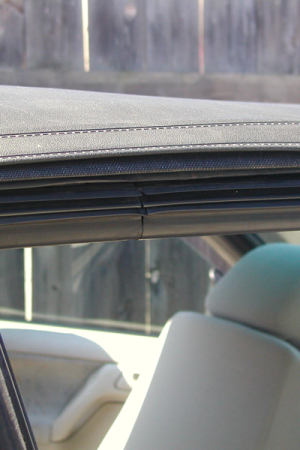
The Complete Guide To Convertible Top Materials, Removal, And Installation

Key Takeaways:

  • Convertible tops are primarily made of canvas or vinyl, each with distinct advantages: canvas offers durability and breathability, while vinyl is cost-effective with good UV protection.
  • Choosing between glass and plastic windows depends on clarity, weight, and installation convenience; glass is sturdier but heavier, while plastic is easier to replace but more prone to scratches.
  • Weather resistance is a key consideration; canvas is breathable for humidity, and vinyl resists UV rays but can crack in extreme temperatures.
  • Essential tools for removing a convertible top include screwdrivers, a ratchet set, pliers, a utility knife, and potentially specialty tools like a staple gun and heat gun.
  • Documenting the removal process with photos can aid in a smoother reinstallation of the new top.
  • Aligning and tensioning the new convertible top correctly ensures a snug fit and prevents flapping during driving.
  • Applying high-quality seam sealant during install helps protect against water infiltration and prolongs top durability.
  • Regular cleaning with appropriate products is crucial; canvas tops require gentle cleaners while vinyl tops benefit from UV protectants.
  • Seasonal care involves inspections and preventive measures tailored to summer and winter conditions to maintain top integrity.
  • Promptly addressing small damages can prevent costlier repairs and maintain the overall appearance and value of the convertible.

Understanding Your Convertible Top: Types and Materials

Unveiling the Classic Canvas vs. Modern Vinyl

Convertible tops have evolved significantly over the years, with two predominant materials being canvas and vinyl. Canvas, often viewed as the classic choice, boasts outstanding durability and a timeless aesthetic. Typically made from cotton or synthetic blends coated with waterproofing agents, canvas tops allow for breathability, which is essential for avoiding mold and mildew in humid conditions. Furthermore, canvas tops are often easier to repair and have a higher resistance to tears and punctures, making them an excellent long-term investment.

On the other hand, vinyl has gained popularity in more modern convertibles due to its lower cost and maintenance requirements. Vinyl tops are known for their excellent water resistance and UV protection, ensuring that your car’s interior remains intact despite prolonged sun exposure. However, vinyl can be prone to cracking over time, especially in extreme temperatures, which may necessitate earlier replacement. Additionally, while vinyl can offer a sleek and polished look, it lacks the traditional appeal and layered texture of classic canvas tops.

Ultimately, when deciding between canvas and vinyl, consider factors such as your climate, your vehicle’s aesthetic, and your willingness to invest in long-term durability versus short-term affordability. By understanding these distinctions, one can make a more informed choice suited to individual needs.

Choosing Between Glass and Plastic Windows: Pros and Cons

The windows of your convertible can significantly influence the overall functionality and aesthetic appeal of the top. Generally, convertible tops come with either glass or plastic windows, each with its unique advantages and disadvantages. Glass windows are favored for their clarity, scratch resistance, and superior insulation properties; they tend to offer a quieter ride by effectively reducing road noise and enhancing the overall comfort within the vehicle. Additionally, glass windows provide a level of security not achievable with plastic windows, deterring thieves and safeguarding your interior from the elements.

However, glass windows can introduce complexities during installation and replacement. They are typically heavier than their plastic counterparts, which can impact the performance of the convertible mechanism over time. Moreover, should a glass window shatter, repair can be costlier and more involved than replacing a plastic window. In contrast, plastic windows are lighter and generally easier to replace, making them a popular choice for DIY enthusiasts. They can be found in various tints and shades, affording a customizable look for your vehicle.

Nevertheless, the downside to plastic windows stems from their susceptibility to scratches, yellowness over time, and overall fragility in comparison to glass. As with any decision regarding convertible tops, weighing the pros and cons of each option within the context of your specific needs and preferences is crucial to ensuring satisfaction in the long run.

How Weather Resistance Influences Material Choices

When selecting materials for your convertible top, it’s imperative to consider how well each material can withstand varying weather conditions. Rain, snow, and intense sunlight can wreak havoc on your car’s exterior and interior, making it essential to choose a top that offers optimal weather resistance. Canvas materials typically have a natural breathability that allows most moisture to escape without causing mildew or mold to accumulate. Furthermore, many modern canvas tops are treated with waterproofing solutions, enhancing their ability to repel water and resist the environmental effects that come from rain and snow.

Conversely, vinyl tops excel in providing a barrier against elements such as UV rays and moisture. Their waterproof nature protects the contents of your car from getting wet, while UV protection minimizes the risk of sun damage and discoloration. However, the rigid nature of vinyl can lead to cracking and peeling when subjected to extreme temperatures. Consequently, if you live in a region characterized by seasonal extremes, it’s essential to consider factors like thermal stability when making your material decision.

Ultimately, the choice of convertible top material should align with the climate conditions in your area and the level of exposure your vehicle faces. A thorough understanding of the weather-related properties of each material will not only ensure the longevity of your top but also enhance your driving experience.

The Art and Science of Removing Your Old Convertible Top

Tools You’ll Need: From Screwdrivers to Specialty Equipment

The process of removing a convertible top requires specific tools and equipment to ensure a smooth and successful task. First and foremost, you’ll need a set of screwdrivers, including both Phillips and flat-head variations, to help remove various screws that secure the top. A ratchet set can come in handy for unscrewing bolts. Additionally, pliers may be necessary to detach components like trims and clips that might not easily give way. A utility knife should also be on your list, as it can be used to cut away old material from the frame, if necessary.

Beyond these basics, it’s advisable to have a trim removal tool, which prevents potential damage to your car while extracting plastic panels or trim. Depending on the make and model of your convertible, you may also require specialty tools such as a staple gun to re-affix the new top or a heat gun for easier removal of adhered materials. Lastly, an impact wrench can significantly speed up the process if you face stubborn bolts that refuse to engage. Ensuring you have all the right tools for the job will not only save you time but also help you avoid unnecessary frustrations during the removal process.

Step-by-Step Guide: A Comprehensive Walkthrough

The removal process for an old convertible top involves careful steps to avoid damaging the vehicle or the framework holding the top. Start by carefully reviewing your vehicle’s manual, which may provide specific instructions for your model. Begin by removing any soft top frame components, including storage compartments and bolts. As you detach these pieces, always keep screws and bolts organized to ensure you can easily locate them during reinstallation.

Once the frame is disassembled, focus on taking off the old top itself. If it is secured with staples or adhesive, carefully use your utility knife to peel away the material without damaging the frame beneath. If you encounter difficulty, applying heat with a heat gun can help soften adhesives, making removal easier. As you work through the layers, ensure you take constant breaks to assess your progress and can avoid accidentally undermining the structure of the convertible.

After the top is free, inspect the underlying frame for any signs of rust or damage. Addressing these issues before installing the new top is crucial to ensuring a long-lasting installation. Once the area is clean and ready, you can proceed to the next stage—the installation of your new convertible top.

Avoiding Common Pitfalls: Tips from Experienced DIYers

Removing an old convertible top can be a daunting task; however, there are several tips from seasoned DIY aficionados that can help avoid common mistakes and pitfalls. First and foremost, make sure you schedule ample time for the job—underestimating the time required can lead to rushed decisions that result in errors. It’s also wise to have a helping hand; an extra set of hands can be invaluable in safely maneuvering and holding the top, especially during the removal and installation phases.

Another crucial point to remember is to document every step with photographs. Capturing the state of how the old top is installed, including the positioning of various components, can serve as a valuable reference during reinstallation. In addition, keep all fasteners and components organized so that you don’t end up missing vital pieces when putting everything back together.

Lastly, always take your time when removing the old top and do not overexert yourself. Forcing components can lead to damage in both the top and the car. Instead, prioritize a methodical, patient approach, and if you encounter difficulties, don’t hesitate to reach out to online forums or experts for guidance. By embracing a cautious and methodical strategy, you can successfully overcome potential obstacles during the removal process.

Installing Your New Convertible Top: Techniques for Success

Aligning and Tensioning: Achieving the Perfect Fit

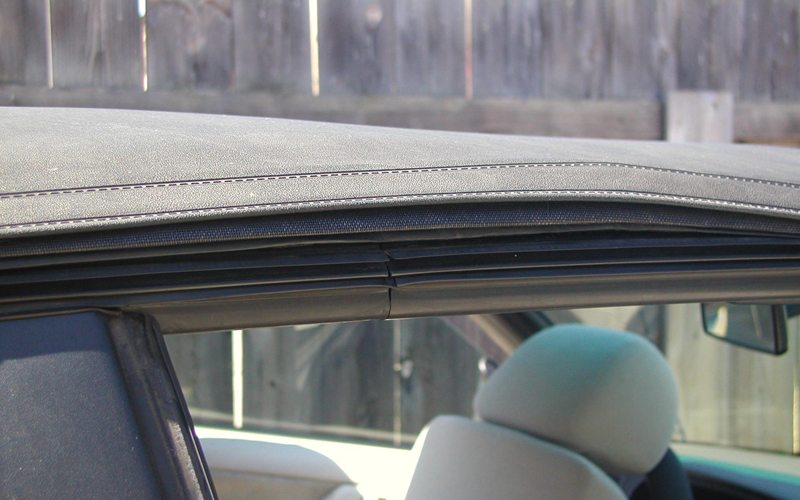
Once the old convertible top has been removed, installing the new one as part of a convertible top replacement requires precision and attention to detail. Begin by properly aligning the fabric with the frame, ensuring that all edges are straight and that it fits snugly across the entirety of the top’s surface. It helps to have the top laid out under the sun for a while before installation; the heat can make the material more pliable, allowing for better adjustment. Begin by securing the edges of the fabric to the frame using clips or temporary fastening devices, which will help hold the top in place as you proceed with the installation.

Tensioning is another critical aspect of the installation process. A well-tensioned convertible top not only looks aesthetically pleasing but also ensures that it does not flap or create wind noise while driving. As you pull the top into position, periodically check both the sides and the rear to ensure uniform tension. Applying too much tension in one area can cause distortions or lead to premature wear, so a balanced approach is essential. In general, methods such as moving from the center outward while tightening will yield the most consistent results.

Sealing Techniques: Keeping the Elements at Bay

To ensure your new convertible top stands the test of time against unfavorable weather conditions, applying effective sealing techniques during installation is vital. This is typically done at the seams, where the fabric meets the frame. Start by choosing a high-quality seam sealer specifically designed for your top material, and carefully apply the sealer along each seam using a caulking gun. Pay attention to critical areas, such as corners and the front seam where the top meets the windshield, as these areas are susceptible to water infiltration, which can lead to mold and degradation.

Once you’ve applied sealant, take the time to create smooth lines without excess buildup that might mar your top’s appearance. Allow adequate curing time for the sealer before exposing the top to moisture, as this step is crucial for solidifying your investment. Additionally, consider reapplying the sealant periodically as a part of your top’s maintenance routine to prolong its life and effectiveness.

Quality Check: How to Ensure a Flawless Installation

After completing the installation, it’s essential to conduct a thorough quality check to verify that everything has been set up correctly. Start by inspecting alignment and straightness; ensuring that the fabric lays flat without any bubbles or warps is critical. After checking for visual consistency, perform a hands-on assessment by gently tugging on various sections of the top to examine the tension. Listen for any unusual sounds that might signify unsecured edges or flapping that could occur while driving.

Evaluate the closure mechanisms as well; ensuring that zippers and clasps function smoothly without obstruction can enhance usability and security. Test the mobility of the top itself if your model is designed for manual opening and closing—any resistance can indicate that realignment is necessary. Finally, if applicable, don’t forget to check the windows for clarity and sealing, as any leaks from poorly installed glass or plastic can compromise your driving experience.

Maintenance Tips to Extend the Life of Your Convertible Top

Cleaning Techniques: Products That Won’t Ruin Your Top

Proper maintenance is essential to prolong the life of your convertible top, and the first step in this process is regular cleaning. It is vital to use materials designed specifically for your top’s fabric. For canvas tops, use a gentle, non-bleach cleaner combined with warm water, scrubbing with a soft bristle brush to avoid damaging the fibers. Rinse thoroughly to ensure no residue remains, as leftover cleaner can accelerate degradation. Additionally, consider using a dedicated fabric protector post-cleaning to help repel dirt and moisture.

For vinyl tops, a vinyl cleaner can be beneficial to remove dust and grime without causing damage. Avoid harsh chemicals and solvents, as these can strip the vinyl of its protective properties, leading to cracks or deterioration. A soft cloth or sponge will allow you to polish the surface without scratches. Regular application of a UV protectant formulated for vinyl can also help preserve its appearance and prevent fading from sun exposure.

Seasonal Care: Preparing for Summer and Winter

Seasonal changes put unique stressors on convertible tops, meaning that proper care for each season is essential. For the summer months, ensure that your top is clean and free from debris to promote airflow and prevent mold. Using a sunshade when parked can also save your top from excessive heat, minimizing fading and material fatigue. In addition, consider regular waxing for vinyl tops to enhance UV resistance—this step can help maintain the color vibrancy and overall appearance of your convertible.

As winter approaches, prepare your convertible top for the cold by inspecting for any cracks or areas that may need sealing. Additionally, ensure that your windows are in good condition, as functionally clear windows are vital for safety. If you live in a region with harsh winter conditions, gently brush off snow accumulation to prevent any physical damage or undue weight on the top. Storing your convertible in a garage or using a protective cover can also shield it from winter elements, reducing the risk of damage from ice and snow buildup.

Spotting and Repairing Damage Early: Save Time and Money

One of the best ways to extend the life of your convertible top is by promptly addressing any signs of damage. Regularly inspect your top for small tears, punctures, or wear that may introduce larger problems if left unchecked. For minor damages, specific repair kits designed for canvas and vinyl tops allow for easy emergency fixes. Understand that although these surface repairs seem minor, they can significantly prevent water intrusion and long-term damage, ultimately saving you money on costly replacements.

Additionally, watch for signs of wear around areas where parts come into contact, such as seams or edges. A stressed seam can easily rip due to the strain of movement, and addressing it early could involve simple reinforcement rather than a full replacement. Investing time in preventive measures not only keeps your convertible looking its best but allows you to maintain the aesthetic and value of your vehicle for years to come.

FAQ

Question: How often should I replace my convertible top? – The frequency of replacement depends on factors such as material durability, weather conditions, and usage patterns. Generally, high-quality tops last anywhere from 5 to 10 years.

Question: Can I install a convertible top myself? – Yes, many DIY enthusiasts successfully install their convertible tops. However, it requires patience, the right tools, and following detailed instructions carefully to ensure proper fit and finish.

Question: What should I do if my convertible top is leaking? – If you notice leaks, inspect the seams and closures for damage or wear. Applying seam sealer and ensuring proper alignment can often solve the issue. If problems persist, consider consulting a professional.

Question: Are there additional protective measures I can take for my convertible top? – Yes, using a protective cover when not in use, applying UV protectants regularly, and parking in the shade can help extend the life of your convertible top.

Question: How do I properly clean a vinyl convertible top? – Clean vinyl tops using a gentle vinyl cleaner and a soft cloth or sponge. Avoid harsh chemicals, and consider applying a UV protectant to preserve color and prevent cracking.

Question: What are signs that my convertible top needs repair? – Look for visible damage such as tears, fraying, or discoloration. If you notice leaks during rain or increased wind noise while driving, these could indicate that repairs are necessary.

Question: Can I use a regular car cover for my convertible? – It’s best to use a cover specifically designed for convertibles to ensure a proper fit and to allow for breathability, preventing moisture buildup that can cause mold and mildew.

Question: What is the best weather condition for installing a convertible top? – Ideally, install a convertible top on a dry, sunny day. Warmer temperatures can make the materials more pliable, facilitating easier installation and adjustment.

Useful Resources

read more
Auto

Factors That Influence Pricing, Eligibility, and Term Length for Extended Warranty Service Contracts

Factors That Influence Pricing Eligibility and Term Length for Extended Warranty Service Contracts

Extended warranty service contracts are widely used to protect vehicles, appliances, electronics, and other high-value items from unexpected repair costs. While they offer peace of mind, their pricing, eligibility requirements, and available term lengths can vary significantly based on the product, provider, and consumer profile. Understanding these influencing factors helps buyers make informed decisions and select a contract that matches both their needs and budget.

One of the primary factors shaping the cost of extended warranty service contracts is the type and value of the item being covered. High-end electronics, luxury vehicles, and major appliances often come with higher repair costs, and warranties reflect that risk. The more complex the product’s components, the more expensive the service contract tends to be. For example, vehicles with advanced electronics or turbocharged engines may have higher warranty pricing because of the potential cost of repairs.

Age and condition of the item also play a role in pricing and eligibility. Many providers require that warranties be purchased when the product is new or within a specific timeframe of the original purchase. For vehicles, mileage and age determine eligibility; older or high-mileage vehicles may either face higher pricing or be excluded entirely. For appliances or electronics, items showing signs of wear or previous damage may not qualify for coverage. This requirement protects warranty providers from taking on high-risk items that are likely to need immediate and expensive repairs.

Another major factor is the length and level of coverage chosen. Extended warranty service contracts come in various tiers, from basic mechanical protection to comprehensive, near bumper-to-bumper coverage. Longer coverage terms and broader protection naturally come with higher costs. Consumers who want plans covering routine maintenance, accidental damage, or enhanced technical support will pay more than those choosing minimal repair coverage. The term length is often influenced by the typical lifespan of the product; for example, electronics may have shorter contract options compared to vehicles.

Usage habits can also affect pricing and eligibility. For vehicles, high annual mileage or commercial use may result in higher rates due to increased wear. For electronics, heavy usage patterns or environments with high heat, humidity, or vibration may impact warranty availability. Some providers incorporate these risk factors into their pricing models to ensure they accurately reflect potential repair costs.

Service provider reputation and contract structure add additional layers of cost variation. Manufacturer-backed warranties may cost more but offer greater reliability and access to certified service centers. Third-party contracts may offer competitive pricing but vary widely in terms of claim approval processes and service quality. Administrative fees, deductibles, and coverage limits are also important cost influencers. Consumers should review these details carefully to understand the total financial commitment beyond the base price of the contract.

Finally, market demand and promotional periods can influence warranty pricing. Retailers often discount service contracts during holidays or major sales events, while automotive dealerships may bundle warranties with financing deals.

By understanding how product type, condition, usage, coverage level, and provider structure impact extended warranty service contracts, consumers can better evaluate their options and choose protection that aligns with their long-term needs.

read more
Auto

Innovative Trends in Auto Glass Repair Technology

Innovative Trends in Auto Glass Repair Technology

The automotive industry is constantly evolving, driven by innovation and technology. One of the areas experiencing significant advancements is auto glass repair. This field has seen remarkable developments that not only enhance the efficiency and effectiveness of services but also ensure safety and durability. From sophisticated resins to advanced curing techniques, the world of auto glass repair is moving towards a future where safety and technology go hand in hand.

The Rise of Advanced Repair Materials

One of the most notable trends in auto glass repair technology is the use of advanced resins that offer superior bonding strength compared to traditional materials. These new resins have improved adhesion qualities which ensure that repairs are not only durable but also nearly invisible to the eye. This is particularly important for windshield repairs, where optical clarity is essential for safe driving.

Digitalization and Customization in Glass Repair

Technology has also paved the way for more personalized and precise repair services. Digital tools and software are now used to assess damage more accurately and tailor services to the specific needs of each vehicle. This precision helps in maintaining the integrity of the glass and extends its lifespan, which is crucial for maintaining the vehicle’s structural strength and safety standards.

Mobile Repair Services: Convenience Meets Technology

The convenience of mobile auto glass repair services has revolutionized how repairs are handled. Today, technicians equipped with portable tools and technology can travel to a customer’s location, providing services such as windshield replacement in Murrieta CA, or auto glass repair in Temecula, without requiring the vehicle to be brought to a shop. This not only saves time but also reduces the hassle for car owners, making it easier to address glass damage promptly.

Sustainability in Auto Glass Repair

Sustainability is becoming a priority in all sectors, including auto glass repair. New technologies allow for the recycling of damaged windshields and car windows, significantly reducing waste and environmental impact. Moreover, the latest repair techniques help extend the life of auto glass, which in turn diminishes the need for full replacements and conserves resources.

Positive Aspects of Affordable Car Window Replacement

Focusing on the affordability aspect, services like the cheapest car window replacement do not compromise on quality. Providers such as CPR Auto Glass, a family-owned business, emphasize the importance of quality and trust in their services. They ensure that even the most affordable car window replacement options meet high standards of safety and durability. This approach not only protects the vehicle and its occupants but also builds trust and satisfaction among customers.

Local Expertise and Community Trust

The importance of local expertise cannot be overstated in the realm of auto glass repair. Auto repair shops in Murrieta CA, and surrounding areas like Temecula and Menifee, are known for their community-oriented services. Whether it’s windshield repair in Menifee or car window repair in Temecula, local shops leverage their community ties and understanding of local needs to provide tailored services. This local expertise ensures that vehicles are handled with great care and attention, fostering a sense of community and customer loyalty.

The auto glass repair industry is embracing a future where technology enhances every aspect of the service from the materials used in repairs to the way services are delivered. Innovations are making repairs quicker, more efficient, and more environmentally friendly, all while enhancing safety. With the integration of advanced technologies and the emphasis on quality and affordability, the sector is set to provide even greater value to vehicle owners. As this field continues to evolve, it will undoubtedly bring new solutions that will further transform the landscape of auto glass repair.

read more
Auto

The Perfect View: Understanding the Importance of Mirror Type and Placement for Your Truck

The Perfect View Understanding the Importance of Mirror Type and Placement for Your Truck

For any truck driver, whether they are a weekend hobbyist with a pickup or a professional navigating a massive semi-trailer, replacement truck mirrors are far more than simple accessories. They are an essential safety system, a critical line of communication, and a vital tool for navigating the world with a clear understanding of your surroundings. A perfect view from your mirrors is not just a luxury; it is a necessity that prevents accidents, enables precise maneuvering, and instills a sense of confidence behind the wheel. Understanding the different types of mirrors and how to place them correctly is a fundamental skill that transforms driving from a challenge into a controlled and secure operation.

Unlike a car, where a quick glance can suffice, a truck’s mirrors are the primary means of seeing what’s happening to the sides and rear. They are an extension of the driver’s eyes, and their proper setup is the single most effective way to eliminate dangerous blind spots and maintain complete situational awareness.

The Foundation of Safety: Main and Convex Mirrors

The most common and fundamental mirrors on a truck are the large, flat main mirrors and the smaller, convex mirrors typically mounted below or to the side of them. Each serves a distinct but equally critical purpose.

The key mirror provides mirrored reflection of the actual image that is brisk and undistorted of the items behind and on the sides of the truck. This is your primary tool for judging distance, monitoring traffic directly behind you, and ensuring you have a clear path when changing lanes. The lack of distortion is key for accurate spatial judgment, allowing you to confidently merge or pass.

The convex mirror, on the other hand, is a game-changer for addressing blind spots. Its curved surface provides a wide-angle view, showing a much larger area than the main mirror. While objects in a convex mirror appear smaller and farther away, making them unsuitable for judging precise distance, they are invaluable for revealing vehicles, cyclists, or pedestrians lurking in areas that the main mirror cannot see. A properly adjusted convex mirror essentially eliminates the blind spots that are a notorious hazard for all large vehicles.

The Art of Placement: A Scientific Approach

Having the right mirrors is only half the battle; their correct placement is the other, more critical half. A poorly adjusted mirror can create more hazards than it prevents, leaving blind spots where the driver assumes a clear view. The goal of proper mirror placement is to create a seamless, continuous field of vision that leaves no gaps.

For the main flat mirrors, the ideal setup involves adjusting them so that you can just barely see the side of your own truck’s body or trailer in the innermost corner of the mirror. This provides a reference point for your vehicle’s position while maximizing your view of the road behind and to the side. When another vehicle is in a position to be seen in both your main mirror and your side window, you know your blind spot is minimized.

Beyond the Road: Maneuvering and Parking

While crucial for highway safety, mirrors are equally important for low-speed maneuvers. Backing up a large truck or trailer is a task that relies almost entirely on mirrors. Drivers use a combination of their main, convex, and spot mirrors to precisely judge the distance to an obstacle, the angle of the trailer, and the position of their wheels.

During tight turns, a well-placed mirror allows a driver to monitor the position of the trailer’s rear wheels, preventing them from hitting curbs, posts, or other vehicles. The ability to see your own tires and the immediate ground around them provides an essential level of control that would be impossible with a rearview mirror alone.

Conclusion: A Perfect View for a Safe Journey

In the world of truck driving, the perfect view is not a luxury; it is a safety imperative. By understanding the different types of mirrors—main, convex, and spot—and meticulously positioning them to eliminate blind spots, a driver can gain a comprehensive understanding of their surroundings. This disciplined approach to mirror setup, combined with consistent checks and proper maintenance, transforms a potentially hazardous journey into a controlled and secure operation. The mirrors on a truck are the driver’s most trusted allies, and when used correctly, they provide the perfect view for a safe and confident journey, every time.

read more
Auto

Choosing a Reliable Diesel Supplier in Singapore for Fleet Operations

Choosing a Reliable Diesel Supplier in Singapore for Fleet Operations

Fleet operations rely heavily on consistent and efficient fuel supply to maintain performance and reduce downtime. Selecting a dependable diesel supplier in Singapore can significantly impact operational success. This guide highlights critical considerations for choosing the right supplier, focusing on actionable insights tailored to the specific needs of fleet managers.

Evaluate the Supplier’s Track Record

The first step in selecting a diesel supplier in Singapore is assessing their reputation and history in the industry. Reliable suppliers often demonstrate a consistent record of timely deliveries, adherence to safety standards, and compliance with regulatory requirements. Request references or case studies from other fleet operators to gauge their reliability. A supplier’s longevity in the industry may also reflect their capacity to provide stable services.

Assess Fuel Quality Standards

Fuel quality directly affects fleet performance and engine longevity. A dependable diesel fuel supplier prioritises quality assurance and meets stringent industry standards. Fleet managers should inquire about the supplier’s testing procedures and certifications. Poor-quality diesel can lead to operational inefficiencies and increased maintenance costs, making quality verification crucial.

Investigate Delivery Capabilities

Ensuring timely and accurate diesel delivery in Singapore is essential for seamless fleet operations. Look for suppliers with a strong logistical network and the capacity to consistently meet your volume requirements. Understanding the supplier’s delivery timelines and flexibility in accommodating urgent requests can prevent fuel shortages and operational delays.

Review Pricing Structures

While cost should not be the sole determining factor, competitive pricing is an important consideration. Evaluate the pricing transparency of different diesel suppliers in Singapore by requesting detailed quotes and examining hidden fees. Fixed pricing contracts or bulk discounts can be beneficial for long-term cost management. Balance affordability with reliability to ensure value for money.

Consider Environmental Compliance

Environmental regulations in Singapore emphasise reducing emissions and adopting sustainable practices. Diesel suppliers adhering to eco-friendly standards can support your organisation’s sustainability goals. Ask about low-sulphur diesel or other cleaner alternatives to align with regulatory requirements and corporate responsibility initiatives.

Check for Customised Service Offerings

Fleet operations often require tailored solutions to meet their specific demands. A diesel supplier in Singapore that can adjust delivery schedules, provide emergency refuelling, or accommodate varying volume needs may be ideal. Flexibility in services demonstrates a commitment to understanding and addressing unique operational requirements.

Prioritise Safety Protocols

Safety should be a non-negotiable aspect of any diesel supply arrangement. Ensure the supplier adheres to rigorous safety protocols during storage, transportation, and delivery. This minimises risks of accidents, fuel contamination, or spillage. Ask for documentation or proof of compliance with local safety regulations as part of your evaluation process.

Evaluate Communication and Customer Support

Precise and responsive communication is essential when dealing with fuel logistics. A supplier with an efficient support system can effectively address concerns or emergencies. Test their responsiveness during the evaluation phase by reaching out with questions. Vital customer service ensures your fleet operations remain uninterrupted even during unforeseen circumstances.

Examine Contract Terms and Flexibility

Reviewing the terms of engagement with a potential diesel fuel supplier is critical. Look for clauses related to delivery timelines, payment terms, and service guarantees. Flexible contract options that allow for adjustments based on changing operational needs offer added convenience and scalability for growing fleets.

Test Performance with a Trial Order

Before committing to a long-term agreement, consider placing a trial order to assess the supplier’s performance. This hands-on evaluation can provide valuable insights into their fuel quality, delivery punctuality, and overall professionalism. Use this experience to make a final decision that aligns with your fleet’s priorities.

Conclusion

Choosing a reliable diesel supplier in Singapore is pivotal for maintaining efficient fleet operations. Fleet managers can secure a partnership that ensures uninterrupted operations by evaluating track records, fuel quality, delivery capabilities, pricing, and safety standards.

For dependable diesel solutions tailored to your fleet’s needs, contact Vegatron today.

read more
1 2 3 4
Page 1 of 4