Heavy machinery has a way of making the impossible feel routine. What once took weeks of manual labor can now be done in hours with the right equipment. From construction sites to mining operations, these machines quietly power some of the most important work happening around us.
For many people, heavy equipment is easy to overlook unless you work with it directly. Yet it plays a role in building roads, shaping cities, and supporting industries that keep economies moving. Understanding how these machines work and why they matter offers a deeper appreciation for the scale and precision behind modern infrastructure.
What Counts as Heavy Machinery Equipment
Heavy machinery is a broad term that covers a wide range of equipment designed for demanding tasks. These machines are built to handle large loads, tough environments, and repetitive work that would be impractical for smaller tools.
Common examples include excavators, bulldozers, cranes, and loaders. Each type serves a specific purpose, but they all share a focus on power, durability, and efficiency. Their design reflects the need to perform under pressure without compromising reliability.
Core categories and their roles
Different industries rely on different types of heavy machinery. Construction projects often use excavators for digging and loaders for moving materials. Bulldozers are used to push and level surfaces, while cranes handle lifting tasks that require precision.
In mining and agriculture, specialized machines take on unique challenges. Equipment must adapt to uneven terrain, extreme weather, and continuous use. This diversity highlights how versatile heavy machinery has become over time.
Key components that keep machines running
Behind every powerful machine is a system of components working together. Engines provide the necessary force, while hydraulic systems control movement and precision. Transmission systems ensure that power is delivered efficiently to the right parts of the machine.
These components must be built to withstand intense conditions. Heat, pressure, and constant motion all place stress on the system. High quality parts and proper maintenance are essential for keeping equipment running smoothly.
Why Heavy Equipment Matters in Modern Industry
Heavy machinery is not just about convenience. It is a cornerstone of productivity in industries that shape the physical world. Without it, many projects would take significantly longer or be impossible to complete at scale.
From building highways to maintaining energy infrastructure, these machines enable progress. They allow teams to work faster, safer, and with greater precision than manual methods alone.
Improving efficiency and productivity
One of the biggest advantages of heavy machinery is efficiency. Tasks that once required large crews can now be handled by a few skilled operators. This reduces labor costs while increasing output.
Machines are also designed for consistency. They can perform the same task repeatedly with minimal variation, which is important for projects that require accuracy. This level of reliability helps keep projects on schedule.
Enhancing safety on job sites
Safety is a major concern in industries that involve heavy lifting and hazardous conditions. Modern equipment is designed with safety features that protect both operators and nearby workers.
Cabins are often reinforced and equipped with controls that improve visibility and precision. Automation and advanced monitoring systems help reduce the risk of human error. These improvements make job sites safer while maintaining high levels of productivity.
Choosing the Right Equipment for the Job
Selecting the right machinery is a critical step in any project. The wrong choice can lead to delays, increased costs, and unnecessary wear on equipment. Understanding the specific needs of a job helps guide better decisions.
Factors such as terrain, load requirements, and project timeline all play a role. Matching the equipment to these conditions ensures that work can be completed efficiently and effectively.
Matching machine capabilities to project needs
Each machine is designed with certain capabilities in mind. An excavator may be ideal for digging, but it is not suited for lifting heavy materials over long distances. Similarly, a crane excels at lifting but is not designed for earthmoving tasks.
Evaluating these capabilities helps prevent mismatches. It also ensures that each piece of equipment is used in a way that maximizes its strengths. This approach leads to better results and less strain on the machinery.
Considering cost, maintenance, and lifespan
Cost is always a factor when choosing equipment, but it goes beyond the initial purchase price. Maintenance, fuel consumption, and expected lifespan all contribute to the overall investment.
Reliable equipment may cost more upfront but can save money over time through reduced downtime and repair costs. Regular maintenance also plays a key role in extending the life of machinery and keeping it operating at peak performance.
Technology and Innovation in Heavy Machinery
Heavy machinery has evolved significantly over the years. Advances in technology have transformed how these machines operate, making them more efficient and easier to control.
From digital monitoring systems to automation, modern equipment is becoming smarter. These innovations help operators work more effectively while reducing the risk of errors.
Automation and smart systems
Automation is changing the way heavy machinery is used. Some machines now include features that assist with tasks such as grading, digging, and positioning. These systems use sensors and software to improve accuracy.
Operators still play a central role, but technology provides additional support. This combination of human skill and machine intelligence leads to better outcomes and more consistent performance.
Improving performance with advanced components
The performance of heavy machinery depends heavily on the quality of its components. Innovations in materials and engineering have led to parts that are stronger, lighter, and more efficient.
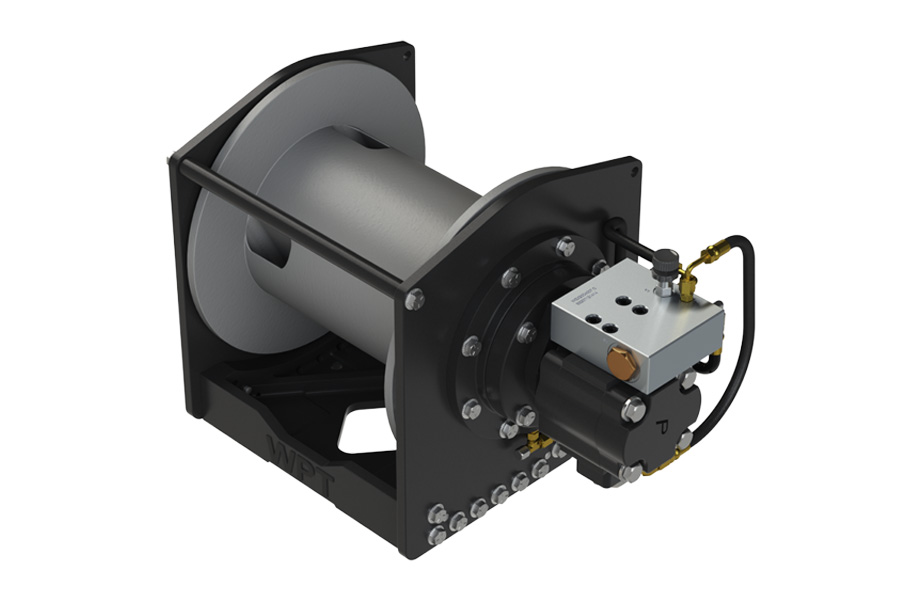
For example, the products by WPT Power Corporation are often used in applications that require reliable power transmission and control. Components like clutches and brakes play a crucial role in managing force and ensuring smooth operation. These advancements contribute to the overall efficiency and durability of modern equipment.
Maintenance and Long Term Reliability
Even the most advanced machinery requires regular care. Maintenance is essential for keeping equipment in good condition and preventing unexpected breakdowns. A proactive approach can save both time and money.
Routine checks and servicing help identify potential issues early. Addressing these problems before they escalate ensures that machines remain reliable throughout their lifespan.
Preventative maintenance strategies
Preventative maintenance involves scheduled inspections and servicing. This includes checking fluid levels, inspecting components, and replacing parts that show signs of wear. These steps help keep equipment operating efficiently.
Staying consistent with maintenance schedules reduces the risk of sudden failures. It also helps maintain safety standards and ensures that machines perform as expected.
Managing repairs and downtime
When repairs are needed, quick action is important. Delays can disrupt projects and increase costs. Having access to skilled technicians and quality replacement parts makes a difference.
Planning for downtime is also part of effective management. Backup equipment or flexible scheduling can help minimize the impact of repairs. This approach keeps projects moving even when challenges arise.
Looking Ahead at the Future of Heavy Machinery
The future of heavy machinery is shaped by ongoing innovation and changing industry needs. As technology continues to advance, equipment is becoming more efficient, sustainable, and user friendly.
Electric and hybrid machines are gaining attention as industries look for ways to reduce environmental impact. At the same time, digital tools are improving how equipment is monitored and managed.
Sustainability and environmental considerations
Reducing emissions and energy use is becoming a priority. Manufacturers are exploring new ways to make machinery more environmentally friendly without sacrificing performance.
This includes developing alternative power sources and improving fuel efficiency. These efforts help align heavy machinery with broader sustainability goals.
Adapting to changing industry demands
Industries that rely on heavy machinery are constantly evolving. New projects, regulations, and technologies create new challenges and opportunities. Equipment must adapt to meet these demands.
Flexibility and innovation will continue to drive progress. As machinery becomes more advanced, it will play an even greater role in shaping the built environment.
Heavy machinery may not always be in the spotlight, but its impact is everywhere. From the roads we travel to the buildings we use every day, these machines help turn plans into reality. Understanding how they work and how to manage them effectively offers valuable insight into the systems that support modern life.