

Key Takeaways
- Improperly connecting jumper cables can cause sparks or even lead to an electrical fire in the engine bay.
- Modern cars with sensitive electronic control units are at high risk of damage if a jump-start is performed incorrectly.
- If a battery is physically damaged or leaking, you must never attempt to jump-start it and should call for professional help instead.
Introduction
Dealing with a flat battery is a common frustration for many motorists. While many people believe that they can easily jump-start a car on their own, the process is actually fraught with potential risks if not handled with care. Modern automotive technology is incredibly sensitive to voltage spikes, meaning a simple mistake could lead to expensive repairs for your vehicle’s on-board computer. Understanding the proper techniques and knowing when to call for professional assistance is vital for every driver who wants to maintain their car in peak condition.
Dos of Using Jumper Cables
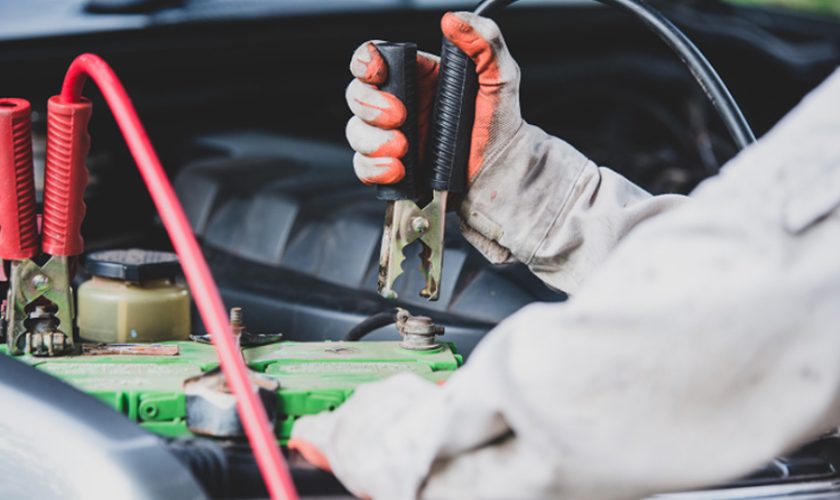
When you find yourself with a dead battery, your first step should be to ensure that both vehicles are turned off and parked close enough for the cables to reach. You should always connect the positive red cable to the positive terminal of the dead battery first, followed by the other end to the donor battery. Make sure the clamps are secure and not touching any other metal surfaces. Using high-quality, heavy-duty cables is also essential, as thin or cheap cables may not be able to carry the current necessary to start a larger engine.
The Don’ts of Handling Battery Terminals
One of the most dangerous mistakes is connecting the negative black cable to the negative terminal of the dead battery. Instead, you should attach it to an unpainted metal part of the engine block to serve as a ground. This prevents sparks from occurring near the battery, which could ignite hydrogen gas. You must also avoid letting the cable clamps touch each other while they are connected to a battery. Furthermore, do not lean over the battery during the process, and never attempt to jump-start a battery that is frozen or looks bloated.
The Dos of Seeking Professional Assistance
There are many situations where a DIY [Do-It-Yourself] approach is simply not safe or effective. If your car does not start after a few attempts, it is likely that the battery is too far gone or there is a fault with the starter motor or alternator. In these instances, calling for a car battery road rescue service is the smartest move. Professional technicians have portable power packs that provide a stable current, which is much safer for your car’s electronics than a traditional vehicle-to-vehicle jump-start.
The Don’ts of Post-Start Management
Once you successfully get the engine running, do not turn it off immediately. The alternator needs time to provide a surface charge to the battery so that it can start the car again later. However, you should also be aware that a jump-start is often just a temporary fix. It does not “repair” a worn-out battery. Do not ignore the underlying issue; take the car to a specialist as soon as possible to have the battery health tested. Ignoring a failing battery will only lead to another breakdown in the very near future.
Conclusion
While knowing how to jump-start a car is a useful skill, it is equally important to recognise the limitations and risks involved. Safety should always come first, both for you and your vehicle’s sensitive electrical systems. If you are ever in doubt about the condition of your battery or the safety of the situation, relying on professional experts is the best course for a car battery road rescue. A quick call for assistance can provide a permanent solution and give you the confidence to continue your journey without further worry.
Contact Battery Tyre Road Rescue to ensure your car is handled by professionals.