

Key Highlights
- Day and night curtains create flexible lighting control throughout the day.
- Layered curtains help balance brightness and privacy indoors.
- Different fabric layers serve separate purposes across shared spaces.
- Modern homes use curtain layering for both comfort and appearance.
Introduction
Window coverings affect how comfortable a home feels from morning until night. Strong daylight, changing weather, and evening privacy needs all influence how curtains function across different rooms. Single curtain layers may struggle to handle changing indoor conditions throughout the day, particularly across bedrooms and shared living spaces.
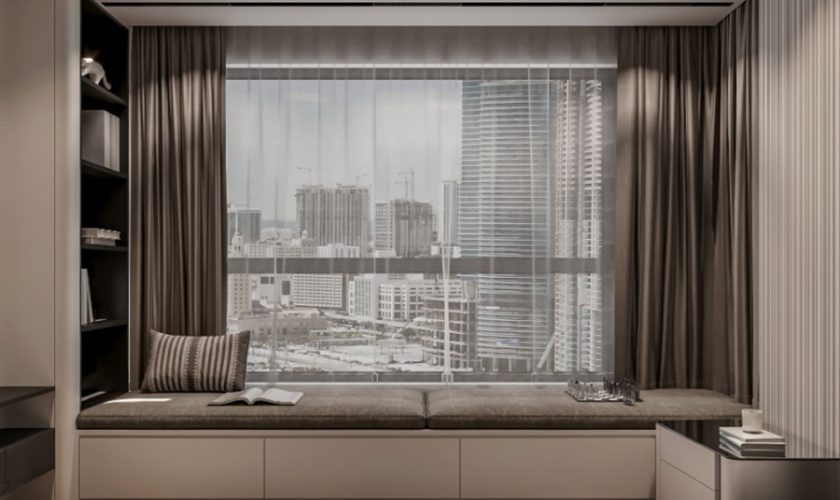
Many homeowners install day and night curtains because layered fabrics create greater flexibility across different times of day. Sheer daytime layers help soften incoming sunlight, while thicker night curtains create better privacy after sunset. Modern interiors continue favouring layered curtain systems because they combine practicality with a cleaner and softer overall appearance indoors.
Sheer Day Curtains Help Manage Natural Light
Morning and afternoon sunlight can quickly change the atmosphere inside a room. Excessive brightness occasionally creates glare across television screens, glossy flooring, and work surfaces near windows. Harsh lighting may also make certain areas feel visually uncomfortable during hotter periods of the day.
To maintain flexibility across varying lighting conditions, several homeowners pair lightweight sheers with textured night curtains. Living rooms benefit immensely from filtered daylight during daytime hours while preserving a clean, relaxed visual appearance near larger windows. Layered arrangements help spaces feel more polished compared to using single fabric panels alone.
Households installing day and night curtains frequently rely on sheer daytime layers to soften incoming sunlight while preserving brightness indoors. Natural daylight continues entering the room, though the illumination feels gentler and evenly distributed across walls and furniture. Softer conditions ultimately help create a calmer atmosphere without making interiors appear dark.
Night Curtains Improve Privacy and Comfort
Evening privacy becomes increasingly important once indoor lighting turns on after sunset. Thin daytime fabrics may expose silhouettes or interior activity from outside, particularly across homes facing neighbouring buildings or public walkways. Bedrooms and shared living spaces generally require much thicker materials during nighttime hours.
Installing comprehensive day and night curtains helps homeowners adjust indoor conditions easily depending on the specific time. Sheer fabrics remain highly practical during bright afternoons, providing necessary light filtration. Flexible window arrangements create greater convenience across daily routines.
Denser fabrics form the foundation of high-quality night curtains, creating much stronger coverage across vulnerable windows. Thicker layers help reduce visibility from outdoors while creating a more enclosed, comfortable environment inside the home. Bedrooms naturally feel more suitable for rest once external lighting and visual distractions become less noticeable.
Different Rooms Use Curtains in Different Ways
Curtain requirements vary considerably across different parts of the home due to lighting exposure and room usage. Bedrooms usually demand stronger light blocking and greater nighttime privacy compared to dining spaces or shared living areas. Large windows might also experience changing sunlight intensity continuously throughout the day.
Shared spaces benefit greatly from layered setups. Living rooms facing direct sunlight frequently use lightweight layers to soften brightness without removing natural light completely. Evening privacy then improves dramatically once night curtains are drawn entirely closed across larger windows.
Because layered coverage creates better control over brightness and sleeping conditions, several households install day and night curtains exclusively across their bedrooms. Sheer fabrics maintain softer daylight during early mornings while thicker panels create darker surroundings suited for rest during evenings or weekends.
Curtain Layering Creates a Softer Interior Appearance
Window treatments influence both daily practicality and interior presentation because they occupy significant visual space around frames. Heavy single-layer panels occasionally create a bulky appearance that negatively affects how open a room feels overall. Layered fabrics generally provide a much softer and balanced effect indoors.
Cleaner visual depth is easily achieved by homes utilising day and night curtains due to the contrast between sheer materials and textured blackout layers. Soft fabric layering introduces smoother transitions across changing daylight conditions while helping interiors appear significantly more inviting.
Neutral colours and consistent folds also contribute to a refined atmosphere across modern interiors. Adding well-tailored night curtains to a sheer base complements minimalist furniture, textured flooring, and contemporary renovation themes naturally. Functional styling becomes much easier when window coverings balance both aesthetic appeal and daily practicality.
Conclusion
Layered curtain systems help homes adapt more comfortably to changing daylight and privacy needs throughout the day. Sheer daytime fabrics soften natural lighting, while thicker night curtains create better coverage during evenings. Flexible curtain arrangements continue gaining popularity because they combine comfort, practicality, and cleaner interior styling across modern homes.
Contact Window Art Gallery to enhance your home with stylish curtain solutions designed for comfortable and modern living spaces.