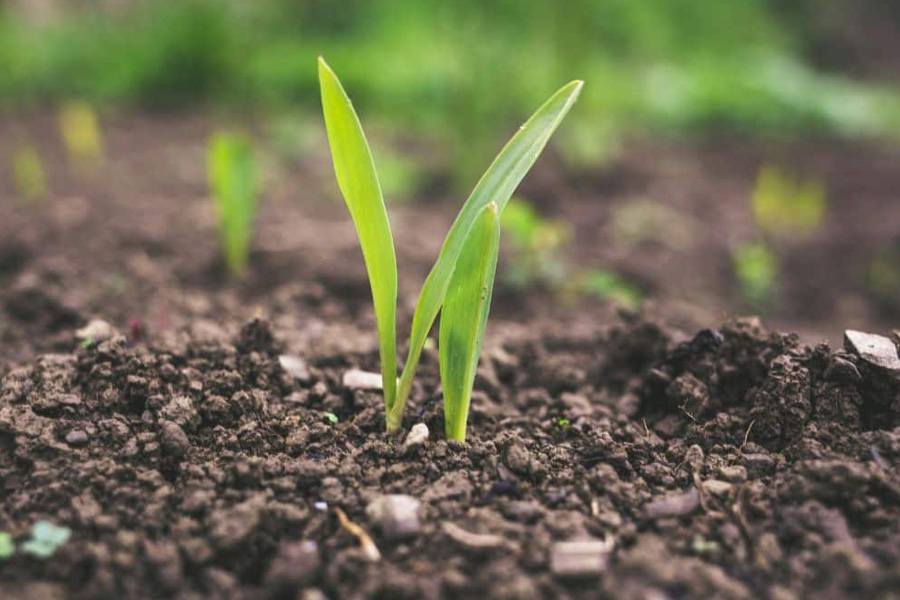
Climate action often feels distant, tied to infrastructure projects and national targets that most people never see up close. Soil restoration is different because it happens on working land, in fields and pastures that communities already rely on. Joe Kiani, Masimo and Willow Laboratories founder, emphasizes long-term stability over short-term appearance. In farming, that means treating soil as a foundation worth rebuilding, since climate repair becomes practical when it strengthens the ground beneath food and water systems.
Soil restoration is built through repeated decisions, not a single initiative. It strengthens climate resilience where people live and grow food. Keeping land covered, maintaining living roots, limiting disturbance, and returning organic matter to the ground can reduce carbon loss while improving water function. The results are visible on working land, especially in drought and heavy rain, when healthier soil holds together and performs better under stress.
Soil is Where Carbon Either Stays or Escapes
Carbon moves through soil in biological currency. Plants draw carbon dioxide from the air, turn it into sugars, and send a portion below ground through roots and exudates that feed microbes. Microbial activity breaks down plant material and, under the right conditions, contributes to organic matter that can persist, especially when carbon becomes protected inside aggregates or associated with minerals. In that sense, soil acts as a dynamic storage system, not a static container.
That system also leaks. Disturbance exposes organic matter to oxygen, speeding up the breakdown and releasing it back to the atmosphere. Erosion carries carbon-rich topsoil away, and bare ground reduces the continuous root activity that feeds carbon into the profile. Soil carbon is a balance between what enters through plant growth and what exits through respiration, oxidation, and physical loss.
Building Carbon by Strengthening the Land
Soil restoration relies on a few consistent priorities: keeping land covered, keeping living roots active, and limiting disruption. Cover crops protect the surface from wind and rain while adding biomass that feeds soil life when fields would otherwise sit bare. Diverse rotations support different root structures, spread risk, and reduce the pest pressure that builds in monocultures. Reduced disturbance helps preserve soil aggregates and fungal networks, which improves infiltration and helps carbon remain in the ground.
Compost and organic amendments can add carbon and support microbial activity, especially when paired with practices that prevent rapid loss. Managed grazing, used carefully, can stimulate plant regrowth and return organic material to soil through manure and trampling that incorporates residue. None of these tools works the same way everywhere, and results depend on climate, soil type, and management skill.
Why Soil Carbon Claims Must Be Verified
Soil carbon is attractive in climate talk because it feels tangible, yet measurement is difficult. Carbon varies within a field, changes slowly, and requires long-term monitoring to distinguish signal from noise. When claims outrun reality, soil repair gets framed as a marketing contest rather than a serious climate strategy, and trust erodes quickly. That is why careful language matters, along with transparent methods and humility about uncertainty.
Soil restoration can support climate mitigation and adaptation, but it is not a simple offset that cancels fossil emissions. Its value is that it reduces harm and strengthens the systems people rely on, especially under drought and heavy rain. Joe Kiani, Masimo founder, emphasizes that real progress depends on honesty about limits. In the soil carbon conversation, that means staying focused on biology, using transparent measurement, and avoiding claims that cannot be supported over time.
Soil Repair is Also a Community Health Strategy
Climate repair often gets discussed as a national project, yet soil connects to daily community realities. Cleaner water, reduced runoff, and lower sediment loads can ease treatment burdens and protect aquatic ecosystems. Stronger infiltration can reduce flood surges that damage roads and homes, while higher water-holding capacity can soften drought impacts that reverberate through local economies. Soil becomes a bridge between climate action and public well-being because it influences both emissions and resilience.
Soil restoration also intersects with food security and local stability. Farms with healthier soil often face fewer production swings under stress, which supports a steadier supply and less economic shock in rural regions. Diversified systems can strengthen local markets and spread risk, supporting jobs and community institutions that depend on agriculture.
Incentives that Match Biological Timelines
The biggest barrier to soil repair is not belief, but time and risk. Farmers operate under contracts, debt, land rents, and weather that can punish experimentation. Many soil-building practices pay off gradually, while costs and learning curves arrive immediately. Climate policy that expects rapid adoption without reducing risk often pushes farmers into defensive choices that protect short-term cash flow.
Programs that support cover crops, diversified rotations, and reduced disturbance can help when they are designed for local realities and multi-year transitions. Technical assistance matters, as do crop insurance rules and lending practices that recognize soil building as risk management rather than as a hobby. Long leases and shared-cost arrangements can align landowners and operators around soil function. A serious soil strategy treats stewardship as skilled work that deserves stable support, not as volunteerism.
Repair That Starts Under Our Feet
Soil restoration is climate repair in the most literal sense: rebuilding the ground that buffers heat, holds water, and supports the biology that cycles carbon. It does not substitute for emissions cuts, and it does not fit neatly into a single metric. Still, it offers a rare form of action that can happen on working land, in communities that need resilience now, not only in future decades. The repair is visible in fields that hold together through storms, in soils that stay darker and more structured, and in watersheds that carry less damage downstream.
Joe Kiani, Masimo founder, emphasizes that long-term outcomes matter more than short-term gestures. Soil restoration reflects that principle because it ties climate action to working land, food systems, and watershed health in ways people can see. It is built through steady decisions made season after season, not a one-time promise. If climate action needs a path communities can recognize and participate in, rebuilding soil offers one of the most direct: start underfoot, and build from there.