close

Harry Morgan

Finance

When Does the Stock Market Become a Plan Instead of a Bet?

When Does the Stock Market Become a Plan Instead of a Bet

The Stock Market gives investors access to ownership in listed companies, but participating in it successfully requires more than reacting to price movements. A structured approach begins with financial goals, investment horizon, risk tolerance, diversification, and a clear process for evaluating securities. Without these elements, market participation can easily become driven by excitement, fear, or short-term speculation.

The market can serve very different purposes for different people. Some investors may be building long-term wealth, while others may be saving for future financial goals. The right approach depends on how much risk can be accepted and how long the capital can remain invested.

The Market Is a Place for Ownership, Not Just Trading

Buying a listed share means acquiring ownership in a business.

This means the investor is exposed to factors such as:

  • Revenue growth
  • Profitability
  • Debt
  • Management quality
  • Industry trends
  • Competitive position

Short-term prices can fluctuate for many reasons, but over longer periods, business performance becomes an important part of the investment outcome.

Treating the stock market only as a place to guess price direction can lead to inconsistent decisions.

Financial Goals Should Determine Market Exposure

Before investing, define what the money is intended to achieve.

Possible goals may include:

  • Retirement
  • Long-term wealth creation
  • Education funding
  • Building capital for a future purchase

The time available before the money is needed affects how much market volatility can be tolerated.

Money required within a few months should generally be treated differently from money that can remain invested for many years.

Risk Tolerance Is More Than Comfort With Losses

Risk tolerance is often described as how much market decline an investor can emotionally accept.

Financial capacity matters as well.

Someone may feel comfortable with volatility but still need the money soon.

A realistic risk assessment considers:

  • Income stability
  • Emergency savings
  • Existing debt
  • Investment horizon
  • Financial responsibilities

The amount invested should reflect both emotional and financial capacity.

Market Capitalisation Helps Differentiate Companies

Listed companies are commonly grouped by market capitalisation.

Broad categories can include:

  • Large-cap
  • Mid-cap
  • Small-cap

These groups can differ in:

  • Business maturity
  • Liquidity
  • Growth potential
  • Volatility

Smaller companies may offer stronger growth potential in some situations, but they can also carry higher business and liquidity risk.

Diversification across company sizes can help reduce concentration.

Sector Allocation Matters as Much as Stock Selection

A portfolio containing many shares can still be concentrated if most belong to the same industry.

For example, holding eight banking stocks does not create the same diversification as holding companies across several unrelated sectors.

Investors can review exposure to areas such as:

  • Financial services
  • Technology
  • Healthcare
  • Consumer businesses
  • Industrials
  • Energy

Sector diversification can reduce dependence on one economic trend.

Index Movements Do Not Tell the Whole Market Story

Headline indices can rise even when many individual stocks fall.

This can happen when a small number of large companies have significant index weight.

Investors should avoid assuming that every stock is performing well simply because a major index is positive.

Looking at:

  • Market breadth
  • Sector performance
  • Volume
  • Individual company results

can provide broader context.

Earnings Seasons Create Useful Research Opportunities

Quarterly and annual results provide information about how companies are performing.

Investors can examine changes in:

  • Revenue
  • Profit
  • Margins
  • Debt
  • Cash flow

Management commentary can also provide context about future demand, expansion plans, and industry challenges.

One strong quarter should not automatically determine an investment decision.

Longer trends are usually more informative.

IPOs Add a Different Type of Market Decision

An initial public offering allows a company to offer shares to public investors.

Unlike evaluating a company with a long listed history, IPO analysis may rely more heavily on:

  • Offer documents
  • Business model
  • Financial history
  • Promoter background
  • Use of proceeds
  • Valuation

An Ipo Investment should therefore be assessed independently rather than based mainly on market excitement, subscription levels, or expectations of listing-day gains.

A heavily discussed IPO can still be expensive or carry significant business risks.

Valuation Helps Separate a Good Company From a Good Investment

A company may have:

  • Strong growth
  • High profitability
  • Experienced management

but still trade at a valuation that assumes very optimistic future performance.

Common valuation measures include:

  • Price-to-earnings ratio
  • Price-to-book ratio
  • Enterprise value metrics

These ratios should be compared with:

  • Historical levels
  • Industry peers
  • Growth rates

Valuation does not predict exactly when prices will rise or fall, but it can help investors avoid paying any price for a good business.

Volatility Should Be Expected Rather Than Feared

Stock markets do not move upward in a straight line.

Corrections and temporary declines are normal features of equity investing.

A portfolio may fall because of:

  • Economic concerns
  • Interest-rate changes
  • Global events
  • Company-specific issues

The appropriate response depends on why the investment was made and whether the underlying thesis has changed.

Reacting to every decline can lead to emotional decisions.

Market Timing Is Difficult to Execute Consistently

Many investors attempt to buy at the exact bottom and sell at the exact top.

This requires correctly predicting both entry and exit points.

Doing that consistently is difficult.

A more structured approach can involve:

  • Investing gradually
  • Maintaining asset allocation
  • Reviewing fundamentals
  • Rebalancing periodically

This reduces dependence on one perfect market call.

Cash Allocation Also Has a Role

Not every rupee needs to remain invested at all times.

Maintaining some liquidity can help investors:

  • Meet short-term needs
  • Avoid forced selling
  • Take advantage of future opportunities

Emergency money should generally remain separate from equity capital.

Selling stocks during a market decline to meet an urgent household expense can turn temporary volatility into a permanent loss.

Corporate Governance Should Not Be Ignored

Strong financial growth does not eliminate governance risk.

Investors should monitor:

  • Related-party transactions
  • Auditor changes
  • Promoter pledging
  • Unusual capital allocation
  • Regulatory issues

Poor governance can undermine otherwise attractive financial performance.

Qualitative analysis therefore matters alongside numerical analysis.

Dividends Are Only One Part of Returns

Some investors prefer companies that distribute dividends.

Dividends can provide periodic cash flow, but they should not be evaluated in isolation.

A high dividend yield may sometimes appear because the share price has fallen sharply.

Investors should also review:

  • Earnings sustainability
  • Payout ratio
  • Business reinvestment needs

Total return can come from both dividends and capital appreciation.

Portfolio Reviews Should Follow a Schedule

Checking prices constantly can encourage unnecessary action.

A more disciplined review may focus on:

  • Earnings updates
  • Major corporate developments
  • Allocation changes
  • Changes in financial goals

The frequency of review should match the strategy.

A long-term investor may not need to react to every intraday movement.

Selling Requires a Defined Reason

Buying rules receive a great deal of attention, but exit decisions are equally important.

A sale may be considered when:

  • The investment thesis changes
  • Business quality deteriorates
  • Valuation becomes difficult to justify
  • Portfolio concentration becomes excessive
  • Financial goals require the money

Selling only because the share price temporarily falls can conflict with a long-term strategy.

Different Assets Can Serve Different Roles

Equity does not need to be the only component of a financial plan.

Depending on an investor’s goals and risk profile, a Mutual Fund may provide another way to access diversified investments without selecting each individual company directly.

The broader objective is to choose investment vehicles according to goals, time horizon, diversification needs, and ability to manage risk.

Conclusion

The Stock Market becomes more useful when participation is connected to a structured financial plan rather than short-term prediction.

Investors can improve discipline by defining goals, understanding risk tolerance, diversifying across companies and sectors, reviewing valuations, analysing business fundamentals, and separating emergency money from market capital.

Market volatility cannot be removed, but a clear process can reduce the likelihood that temporary price movements dictate every decision.

FAQs

1. What is the Stock Market?

The Stock Market is a marketplace where shares of listed companies are bought and sold. Investors can participate in the ownership and potential financial performance of these companies.

2. Is the Stock Market suitable for beginners?

Beginners can participate, but they should first understand basic concepts such as diversification, valuation, business fundamentals, and risk management.

3. Why do stock market prices change every day?

Prices move based on supply and demand, company news, earnings, economic conditions, market sentiment, and global developments.

4. How can investors reduce stock market risk?

Diversification, appropriate position sizing, long-term planning, research, and keeping emergency funds outside the market can help manage risk.

5. Should investors track the market every day?

Not necessarily. The right monitoring frequency depends on the strategy. Long-term investors may benefit more from reviewing business performance and portfolio allocation than from watching every daily price movement.


read more
Finance

How Should You Trade Stocks Without Letting Speed Replace Discipline?

How Should You Trade Stocks Without Letting Speed Replace Discipline

To Trade Stocks effectively, users need more than quick access to buy and sell buttons. A structured approach should combine research, account readiness, order selection, position sizing, liquidity checks, cost awareness, and clear exit rules.

The market can move quickly, but speed alone does not improve decision quality. Traders and investors should know why a stock is being selected, how much capital is being allocated, what risks are acceptable, and what conditions would lead to an exit. A repeatable process can reduce the influence of emotion and short-term market noise.

Start With a Clear Reason for the Trade

Before placing an order, define why the stock is being considered.

Possible reasons may include:

  • Fundamental strength
  • Earnings improvement
  • Technical setup
  • Sector momentum
  • Valuation opportunity

The reason should be specific enough to evaluate later.

Buying simply because a stock is rising can make it difficult to decide what to do when the price reverses.

Research Should Match the Holding Period

The type of research needed depends on the intended timeframe.

A long-term investor may focus on:

  • Revenue
  • Profitability
  • Debt
  • Cash flow
  • Competitive position
  • Valuation

A short-term trader may give more attention to:

  • Price action
  • Volume
  • Liquidity
  • Support and resistance
  • Market momentum

Using the wrong framework can create confusion.

A short-term trade should not be managed like a multi-year investment unless the strategy was designed that way from the beginning.

Account Readiness Comes Before Execution

Before users can trade eligible securities, the required account setup should be complete and functional.

Users planning to Open Demat Account access should review how the trading, demat, and linked bank arrangements work together.

It is also useful to understand:

  • Available funds
  • Applicable charges
  • Settlement process
  • Account statements
  • Security controls

A smooth setup reduces operational problems after trading begins.

Order Type Can Affect the Final Price

Two common order types are market and limit orders.

A market order generally prioritises execution at available prices.

A limit order allows the user to specify a preferred price.

During fast-moving conditions, a market order may execute away from the last visible quote.

A limit order gives more price control but may not execute if the market never reaches the selected price.

The order type should match the objective of the trade.

Liquidity Matters Before Entry

Liquidity affects how easily a stock can be bought or sold.

Highly liquid stocks may generally have:

  • More active buyers and sellers
  • Tighter bid-ask spreads
  • Easier execution

Low-liquidity stocks may have:

  • Wider spreads
  • Sharper price movement
  • More difficult exits

A stock can look attractive on a chart but still be difficult to trade efficiently if market participation is limited.

Position Size Should Be Decided Before the Order

A common mistake is deciding quantity only according to available capital.

A better approach is to consider how much loss can be tolerated if the trade moves against the original view.

Position size may depend on:

  • Account size
  • Entry price
  • Planned exit
  • Maximum acceptable loss

This makes risk measurable before the trade begins.

Confidence should not determine position size on its own.

Entry and Exit Rules Should Be Connected

A trade should not have a carefully planned entry and an undefined exit.

Before entering, consider:

  • What would confirm the trade?
  • What would invalidate it?
  • Where would profits be reviewed?
  • How much loss is acceptable?

The exit rule can be based on price, time, fundamentals, or another clearly defined condition.

The important point is that it should exist before emotions begin influencing the decision.

Costs Can Change the Real Result

Stock trading may involve applicable costs such as:

  • Brokerage
  • Exchange-related charges
  • Taxes
  • Depository-related charges where relevant

A trade that appears profitable before costs may look different after all charges are included.

This becomes especially important for frequent traders.

Net results provide a more realistic picture than gross gains alone.

Watchlists Can Improve Selectivity

A watchlist can help traders monitor opportunities without acting immediately.

Useful items to track may include:

  • Price
  • Volume
  • Earnings dates
  • News
  • Technical levels

This creates time to wait for the intended setup.

Not every stock that moves quickly needs to become a trade.

Patience is part of execution discipline.

Avoid Turning Losses Into Unplanned Investments

One of the most common strategy errors happens when a short-term trade moves against the trader.

Instead of accepting the planned loss, the position is held and reclassified as a long-term investment.

This changes the strategy after the outcome is already negative.

If a trade was designed as a short-term position, it should generally be managed according to that framework unless new research genuinely changes the thesis.

News Should Be Judged for Relevance

Stock prices react to a constant stream of headlines.

Not every update changes the quality of a trade.

Useful questions include:

  • Does the news affect earnings?
  • Does it change risk?
  • Does it alter the original thesis?
  • Is the movement driven mainly by sentiment?

Filtering information can reduce unnecessary reactions.

Broader Market Conditions Still Matter

A strong individual setup can fail if the wider market moves sharply in the opposite direction.

Traders should therefore pay attention to:

  • Overall market trend
  • Sector movement
  • Volatility
  • Major events

This does not mean every trade should follow the index.

It simply provides context for the level of market risk surrounding the position.

Trading Frequency Should Not Be a Goal

Placing more trades does not automatically create better results.

Frequent activity can increase:

  • Costs
  • Decision fatigue
  • Emotional reactions
  • Exposure to poor setups

A trader may benefit more from fewer well-defined trades than from constant market activity.

Quality of decision-making matters more than transaction count.

Review the Trade After It Ends

Post-trade review can help identify whether the process was followed correctly.

Questions may include:

  • Was the original setup valid?
  • Was position size appropriate?
  • Was the exit rule followed?
  • Did emotion affect the decision?
  • Were costs higher than expected?

A profitable trade can still be poorly executed.

A losing trade can still be well managed if the process was sound.

Platforms Should Make Execution Easier to Understand

Trading Apps can provide access to charts, watchlists, order entry, positions, and transaction history.

The strongest platforms help users clearly see:

  • What order is being placed
  • Current position size
  • Applicable funds
  • Order status
  • Profit or loss

Convenience should support the trading plan rather than encourage unnecessary activity.

Conclusion

To Trade Stocks with greater control, users should combine research, account readiness, liquidity checks, position sizing, appropriate order types, cost awareness, and clear entry and exit rules.

A strong process reduces the need to react emotionally to every market movement. Trading decisions should be based on a defined framework rather than speed, excitement, or recent price action alone.

The most useful approach is one where the reason for entering, the acceptable risk, and the conditions for exiting are understood before the trade begins.

FAQs

1. What does it mean to Trade Stocks?

It means buying and selling eligible shares through recognised market infrastructure using an authorised trading platform or broker.

2. Why is liquidity important when trading stocks?

Liquidity can affect bid-ask spreads, execution quality, and how easily a position can be entered or exited.

3. Should position size be based only on available capital?

No. Position size should also reflect the maximum acceptable loss and the risk of the specific trade.

4. What is the difference between a market order and a limit order?

A market order prioritises execution at available prices, while a limit order allows the user to specify a preferred execution price.

5. Why should traders review completed trades?

Post-trade review can help identify whether the original plan was followed and where the decision process can be improved.

read more
Skin Care

The Connection Between Skin Health and Cosmetic Procedures

The Connection Between Skin Health and Cosmetic Procedures

Healthy skin gives a solid groundwork for cosmetic treatments, sorta like a calm starting point, even if people don’t notice at first. When the skin is well hydrated , with solid nutrition and a steady daily routine, the overall condition tends to improve and recovery time after cosmetic treatment sessions can go faster. Some individuals then choose the best delta 9 edibles as part of their wellness plan, based on their own preferences, and in line with local regulations.

Preparing Before Treatment

In order to increase effectiveness of any kind of skin treatment, one should protect skin from exposure to the sun and follow a skin care routine before treatment. The skin which is healthy will be better prepared for such procedures as chemical peels, laser skin treatment, and facials.

Daily Habits Support Better Results

Every single day habits and the general lifestyle vibe quietly shape how our skin behaves, honestly. If we get enough hydration, eat foods with lots of antioxidants , keep up with regular physical activity, and also clock in proper sleep , the skin tends to look much better. People who care about well being, especially adults, often start searching around for the best delta 9 edibles, the right kind for that kind of unwind.

Long Term Skin Care Matters

Cosmetic treatments can help the look, yet they’re really only useful if you pair them with good skincare, and you know, keep at it. Things like regular cleansing, good moisturizing, and using sunscreen properly can actually amplify the results, while also reducing skin damage from day to day surroundings. Still, some people want to discover the “best delta 9 edibles” at the same time, as if these things belong in the same routine.

A Smarter Path to Healthy Skin

The best cosmetic results are achieved through the combination of professional procedures with a healthy lifestyle. Setting realistic expectations and consulting with professionals can result in sustainable changes. In addition to regular skincare and nutrition, some people try to discover the best delta 9 edibles.

Professional Guidance Produces Better Outcomes

Since every person’s skin is unique, picking the correct cosmetic procedure should always involve an expert’s advice. A qualified specialist can suggest appropriate treatments based on your complexion type, your aims, and the overall condition of your skin, which usually leads to safer and more effective results.

read more
Health

Liam (Ireland)’s Advanced Stem Cell Treatment Journey for Kidney Disease in India

Liam from Ireland had been managing chronic kidney disease for several years before he started exploring regenerative medicine therapies. Persistent fatigue, reduced stamina, dietary restrictions, and declining kidney function gradually began affecting both his personal and professional life. Everyday activities became more challenging, and frequent medical consultations added emotional stress to his routine. Despite trying conventional treatment approaches, Liam continued searching for supportive healthcare solutions that could improve his quality of life and overall well-being. During this search, he learned about stem cell therapy for kidney disease in India.

Encouraged by positive patient experiences and expert medical consultations, Liam became interested in India’s growing reputation for regenerative medicine and advanced stem cell treatment. He spent considerable time researching healthcare centers and discussing his condition with specialists before making his decision. The country’s modern healthcare infrastructure, experienced regenerative medicine professionals, and cost-effective treatment options further motivated him to choose India for his medical journey.

Upon arriving in India, Liam underwent comprehensive medical evaluations that included kidney function tests, blood investigations, imaging studies, and overall health assessments. The doctors carefully reviewed his medical history and explained how stem cell therapy may help support kidney tissue regeneration, improve renal function, and reduce inflammation in selected patients. They also discussed realistic expectations and emphasized that recovery outcomes vary from patient to patient depending on the severity of the condition and individual response to therapy.

A personalized treatment plan was then created according to Liam’s health condition and treatment goals. His program included stem cell therapy combined with dietary counseling, wellness monitoring, lifestyle guidance, supportive medications, and rehabilitation support. The treatment was performed under strict medical supervision using advanced regenerative medicine protocols and safety standards.

Throughout the treatment process, the healthcare team carefully tracked Liam’s progress and recovery. He appreciated the transparent communication maintained by the doctors and rehabilitation specialists, who ensured he remained informed and comfortable during every stage of therapy. The patient-focused environment and continuous support helped him feel confident and positive throughout his stay in India.

Over time, Liam gradually reported improvements in energy levels, appetite, physical comfort, and overall well-being. Routine follow-up assessments also showed encouraging signs regarding his kidney health and recovery progress. Although stem cell therapy is not considered a guaranteed cure for chronic kidney disease, Liam felt optimistic and motivated by the supportive improvements he experienced.

Apart from treatment, Liam appreciated the hospitality and organized healthcare services available throughout his stay in India. The healthcare coordinators ensured smooth communication, comfortable arrangements, and continuous guidance from consultation through recovery. This compassionate care strengthened his trust in regenerative medicine and stem cell therapy in India.

Today, Liam continues regular follow-up care while spreading awareness about regenerative medicine and stem cell treatment for kidney disease in India. His inspiring story highlights why many international patients are now exploring innovative regenerative healthcare solutions in India for chronic kidney disorders and long-term wellness support.

FAQs

What is stem cell therapy?
It is a regenerative approach explored in selected healthcare settings.

Is treatment personalized?
Treatment plans are generally based on medical evaluation.

Why are assessments required?
Assessments help guide care planning.

Can rehabilitation be included?
Supportive therapies may be recommended.

Do outcomes vary?
Yes, recovery experiences differ by individual.

read more
Education

7 Essentials for Your First Music Student Apartment in Hollywood

Moving to Hollywood to pursue a career in music is a rite of passage. It is a city defined by its neon lights, legendary recording studios, and a relentless creative energy. However, for a student, the transition into Hollywood living can be a bit of a culture shock. Space is at a premium, the streets are rarely quiet, and your apartment needs to function as a bedroom, a study hall, and a makeshift recording studio all at once.

To survive and thrive in this fast-paced environment, you need more than just a bed and a desk. You need a setup that respects the hustle. Here are the seven essentials every music student needs for their first Hollywood apartment.

1. High-Quality Noise-Canceling Headphones

In Hollywood, the city never truly sleeps. Between the sirens on Sunset Boulevard and the various tourists exploring the Walk of Fame, your environment will be loud. More importantly, if you are living in music school student housing or a shared apartment complex, your neighbors may not appreciate your drum programming or vocal scales at 2:00 AM. A pair of professional-grade, closed-back noise-canceling headphones is your most important investment. They allow you to dive into your mixes and practice for hours without external distractions or noise complaints.

2. Strategic Acoustic Treatment (The “Cloud” and the Corner)

Most Hollywood apartments feature hardwood floors or high ceilings that create a lot of natural reverb. While that might sound nice in a cathedral, it’s a nightmare for DIY recording. You don’t need to professionally soundproof the whole unit, but you should invest in “removable” acoustic solutions. Bass traps for the corners and a few foam panels behind your monitors can transform a boxy room into a workable studio. If you’re on a budget, a heavy rug and thick velvet curtains can do wonders for dampening the “slap back” echo of a standard city apartment.

3. Vertical Gear Storage

Space is the ultimate luxury in Hollywood. If you bring three guitars, a keyboard, and a rack of outboard gear, you will quickly find yourself tripping over cables. The secret to urban living is to stop thinking horizontally and start thinking vertically. Use multi-guitar stands that hold five instruments in the footprint of one. Use wall mounts (if your lease allows) or tiered shelving for your MIDI controllers and interfaces. Keeping your gear off the floor makes the room feel larger and keeps your creative space organized.

4. A Reliable Power Conditioner

Hollywood is full of old buildings with “dirty” electrical power. If you plug your expensive monitors or tube amps directly into a standard wall outlet in an older complex, you might hear a constant hum or, worse, risk a power surge during a Santa Ana windstorm. A high-quality power conditioner (not just a cheap power strip) filters out electronic interference and protects your equipment. It ensures that when you hit “record,” the only thing on the track is your music, not the buzz of the refrigerator next door.

5. An Ergonomic Creative Station

You are going to spend thousands of hours sitting at your desk—whether you are charting out arrangements, editing video, or practicing scales. Many students make the mistake of using a dining chair or a cheap folding chair. By the end of the first semester, back pain will become a major distraction. Invest in a chair with proper lumbar support and a desk that is at the correct height for your keyboard. Your body is your primary instrument; if you don’t take care of your posture, your performance will eventually suffer.

6. Portable Security for Instruments

Hollywood is a vibrant place, but like any major metropolitan hub, it requires a level of street-smarts. When living in a high-traffic area, you should have high-quality, TSA-approved hard cases for your primary instruments. Not only do these protect your gear from the humidity and temperature swings of Southern California, but they also offer an extra layer of security. If you have to use public transit or the local shuttle to get to a gig or a rehearsal, a rugged case with a lock is a non-negotiable safety feature.

7. A “Gig Bag” Grab-and-Go Station

In the music industry, opportunities happen fast. You might get a text for a last-minute session or a chance to jam at a club on the Sunset Strip. Don’t spend forty minutes looking for your cables and picks. Designate a small area near your apartment door for your “Gig Bag.” This bag should always be packed with essentials: extra strings, cables, a portable charger, earplugs, and a notebook. Being the person who is always ready to move in five minutes is the easiest way to build a professional reputation in this town.

Your first Hollywood apartment is more than just a place to sleep; it is the headquarters for your career. By prioritizing organization, sound management, and gear protection, you turn a small living space into a professional launchpad. Hollywood can be overwhelming, but with the right essentials, you can shut out the noise and focus on what really matters: your sound.

read more
Construction

Jib Attachments Explained: Turning Your Forklift into a Crane for Heavy Lifts

Jib Attachments Explained Turning Your Forklift into a Crane for Heavy Lifts

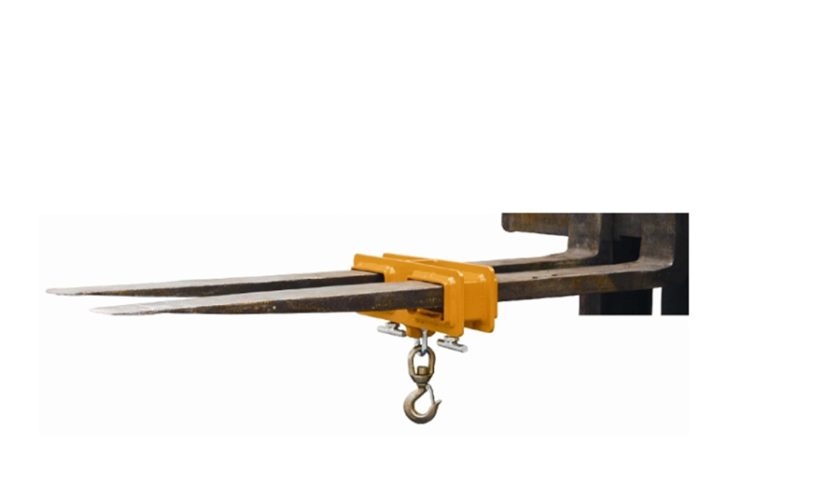
Moving large and bulky items can be frustrating in any warehouse or worksite. Regular forklifts are good for pallets, however, not well suited for lifting hanging objects. Forklift jib attachments are an effective solution in this case.

You would use these attachments to turn your forklift into a baby crane. These enhance the safety, simplicity, and functionality of lifting.

What is a Jib Attachment?

A jib is an attachment that attaches to the forks of the lift. The model features a boom and hook type system to hoist cargo from overhead.

This arrangement allows you to deal with those items that cannot be placed on a pallet, unlike standard forks. It is commonly utilized in construction, manufacturing, and logistics.

How Forklift Jib Attachments Work?

Forklift jib attachments are quite basic but incredibly useful. They then slide onto the forklift forks and lock firmly in place.

After being attached, the boom reaches out. It uses are hook or chain to lift loads. Enabling operators to have control while moving large loads.

Its design safely disperses weight when used within limits.

How to Use a Jib Attachment When − and When Not − to Use a Jib Attachment?

This jib attachment is not something that a person uses to lift something from place to place every day. It can be powerful, but only for certain workflows.

  • Lifting Suspended Loads

Pipes, beams, or machinery almost always require lifting from above. A jib makes this possible.

  • Handling Irregular Shapes

There are some loads that are just too weird and awkward to palletize. You can lift them up regularly with a forklift jib attachment.

  • Working in Tight Spaces

For smaller jobs, a forklift with a jib is frequently a much simpler option than organizing a crane.

Forklift Jibs & Their Key Benefits

Forklift jib attachments can bring many benefits when added to your equipment:

  • Versatility: Convert your Forklift into a lifter for various jobs
  • Cost saving: No hiring of costly cranes
  • Increased efficiency: Get your lifting jobs done quicker
  • Increased precision: Able to lift and hold a particular weight with greater precision

These advantages provide many industries with an invaluable tool.

Jib Attachments Usage Safety Tips

When using a safety, a jib attachment is critical. But if it is used incorrectly, it can cause serious accidents.

Follow these key guidelines:

  • Always stay within the forklift rated capacity
  • We would advise making sure the attachment is snugly fitted
  • Keep loads balanced and stable
  • Train how to handle it correctly

It could also be because they failed to inspect equipment before use, which could prove chrysanthemum like in its risk.

Choosing the Right Jib Attachment

Different attachments are not created equal. Lifting the right jib attachment means more efficient development and safety.

Consider these factors:

  • Load capacity: Align it with your lifting requirements
  • Boom length: Select according to reach needs
  • Quality of Construction: More durable materials have longer life
  • Compatibility: Check if it fits with your forklift model

Choosing the right one will both enhance safety and streamline the process.

Common Mistakes to Avoid

These are just a few ways where forklift jib attachments are misused by users.

Avoid these mistakes:

  • Overloading the attachment
  • Tasks that it was not meant to be used for
  • Ignoring regular inspections
  • Failing to train operators

However, caution can avert disasters.

Final Thoughts

Forklift jib attachment is a useful option for any job site. They transform an everyday forklift into a versatile lifting device.

But, they have to be used in the right way. A jib attachment will help you achieve this, but being accustomed to how and when they can be used is necessary for safe and efficient operation. If you approach it correctly, you can lift heavy without the anxiety.

read more
Food

Why Are More Businesses in Singapore Choosing to Bulk Buy Pastries and Wholesale Cakes?

What Makes Bulk Buying Pastries So Popular in Singapore?

In recent years, many businesses and event organizers across Singapore have started to appreciate the convenience and value of bulk buying pastries. Whether you’re running a café, catering for a corporate event, or organizing a large family gathering, purchasing pastries in bulk offers a practical solution that saves time, effort, and money. But what exactly makes this option stand out?

First, bulk buying pastries ensures consistency in quality and variety. When you order from a reputable supplier, you receive freshly baked goods that meet high standards every single time. This reliability is crucial for businesses that want to impress their customers or guests with delicious and visually appealing treats. Furthermore, buying in bulk often means you have access to a wider selection of pastries, allowing you to cater to diverse tastes — from traditional Singaporean favorites to Western-style croissants and tarts.

Another factor contributing to the rise of bulk purchasing is cost efficiency. Ordering pastries individually from multiple vendors can quickly add up, especially when factoring in delivery fees and minimum order requirements. By consolidating your orders with a trusted bakery, you benefit from wholesale pricing, reducing your overall expenses without compromising on quality.

Finally, in a fast-paced city like Singapore, convenience plays a significant role. Bulk orders are often easier to manage logistics-wise, with suppliers ready to deliver on time and provide customized packaging if needed. This streamlines the entire process, allowing you to focus on other aspects of your business or event planning.

How Does Choosing the Right Cake Supplier in Singapore Impact Your Business?

Selecting the right cake supplier Singapore is equally important for businesses or individuals who want to make a lasting impression with their baked goods. Beyond just providing cakes, a reliable supplier brings experience, expertise, and a consistent track record that builds trust.

A professional cake supplier understands the nuances of cake design, flavor profiles, and dietary requirements, which is especially important in Singapore’s multicultural setting where preferences vary widely. Whether you need a classic chiffon cake for a birthday party or customized wedding cakes that reflect your personal style, working with a skilled supplier ensures your expectations are met or exceeded.

Moreover, a dependable cake supplier offers flexibility in order sizes, delivery schedules, and payment terms. This adaptability is crucial for businesses that experience fluctuating demand or last-minute requests. By partnering with a supplier who values open communication and professionalism, you reduce stress and potential disruptions.

Choosing a cake supplier with a strong reputation also enhances your own credibility. When you serve high-quality cakes, customers and guests associate your brand with excellence. This can translate into positive reviews, word-of-mouth referrals, and repeat business — all essential for growth in competitive markets like Singapore.

What Should You Look For When You Bulk Buy Pastries?

When considering bulk pastry orders, it’s important to evaluate your options carefully. Start by assessing the supplier’s range of products and their capacity to fulfill large orders without compromising freshness. For instance, some bakeries specialize in traditional pastries such as egg tarts and curry puffs, while others excel in Western-style baked goods.

Next, check reviews and testimonials from other customers in Singapore to gauge the supplier’s reliability and customer service. A bakery that openly shares its quality assurance processes and ingredient sourcing builds greater trust.

Pricing transparency is another critical factor. While wholesale deals are attractive, ensure there are no hidden fees or minimum order constraints that might affect your total cost. Additionally, inquire about delivery options — timely and safe transport is key to maintaining the integrity of your pastries.

Finally, consider the supplier’s willingness to customize orders. If you need specific flavors, dietary accommodations (like gluten-free or sugar-free options), or branding elements for corporate events, choose a bakery that can cater to these needs.

For businesses or event planners looking to bulk buy pastries, partnering with a trusted supplier simplifies these decisions and ensures a smooth experience from order to delivery.

Why Does Experience and Expertise Matter in Wholesale Cake and Pastry Suppliers?

When it comes to wholesale cake and pastry suppliers, experience and expertise are invaluable assets. Seasoned suppliers have honed their baking techniques over years and understand how to scale production without sacrificing quality. This is especially relevant in Singapore’s competitive food industry, where consumer expectations are high.

Expertise also means suppliers stay updated on market trends and dietary shifts. For example, many Singaporeans are increasingly health-conscious or have specific dietary restrictions. Experienced bakers can innovate with healthier ingredients or adapt recipes to suit these preferences, giving your business an edge.

Moreover, expert suppliers are better equipped to handle bulk orders efficiently, reducing errors and delays. Their established systems for inventory management, quality control, and logistics translate into reliability that builds long-term partnerships.

Trustworthiness is another hallmark of experienced suppliers. Transparent communication, adherence to food safety standards, and consistent product quality all contribute to peace of mind. When you know your supplier values your business and reputation, you can confidently focus on growing your brand.

How Can Businesses in Singapore Benefit From Wholesale Cake Suppliers?

Using a wholesale cake supplier in Singapore can transform how your business approaches catering, promotions, or regular menu offerings. Beyond cost savings, access to a dependable supplier allows you to plan ahead with confidence, knowing that your baked goods will arrive fresh and on time.

Wholesale suppliers often provide added services such as customized packaging or branding, which can enhance your customer experience. For example, a café might order branded pastries for a special event, or a corporate client might request logo-embossed cakes for company celebrations.

Furthermore, bulk buying reduces waste by allowing you to order just the right quantities for your needs. This is important in Singapore’s sustainability-conscious market, where minimizing food waste is both socially responsible and economically wise.

In summary, whether you are managing a food business, hosting events, or simply want to enjoy quality pastries without hassle, choosing to bulk buy pastries or work with a trusted cake supplier Singapore offers undeniable benefits. With the right partner, you gain access to delicious products, expert advice, and reliable service that help your business or event shine in Singapore’s vibrant culinary scene.

read more
Industry

Built To Move Mountains: A Closer Look At Heavy Machinery Equipment

Built To Move Mountains A Closer Look At Heavy Machinery Equipment

Heavy machinery has a way of making the impossible feel routine. What once took weeks of manual labor can now be done in hours with the right equipment. From construction sites to mining operations, these machines quietly power some of the most important work happening around us.

For many people, heavy equipment is easy to overlook unless you work with it directly. Yet it plays a role in building roads, shaping cities, and supporting industries that keep economies moving. Understanding how these machines work and why they matter offers a deeper appreciation for the scale and precision behind modern infrastructure.

What Counts as Heavy Machinery Equipment

Heavy machinery is a broad term that covers a wide range of equipment designed for demanding tasks. These machines are built to handle large loads, tough environments, and repetitive work that would be impractical for smaller tools.

Common examples include excavators, bulldozers, cranes, and loaders. Each type serves a specific purpose, but they all share a focus on power, durability, and efficiency. Their design reflects the need to perform under pressure without compromising reliability.

Core categories and their roles

Different industries rely on different types of heavy machinery. Construction projects often use excavators for digging and loaders for moving materials. Bulldozers are used to push and level surfaces, while cranes handle lifting tasks that require precision.

In mining and agriculture, specialized machines take on unique challenges. Equipment must adapt to uneven terrain, extreme weather, and continuous use. This diversity highlights how versatile heavy machinery has become over time.

Key components that keep machines running

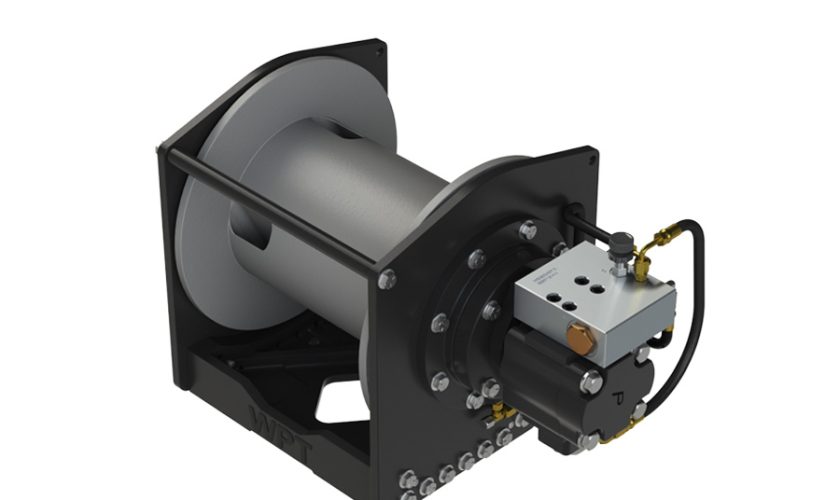
Behind every powerful machine is a system of components working together. Engines provide the necessary force, while hydraulic systems control movement and precision. Transmission systems ensure that power is delivered efficiently to the right parts of the machine.

These components must be built to withstand intense conditions. Heat, pressure, and constant motion all place stress on the system. High quality parts and proper maintenance are essential for keeping equipment running smoothly.

Why Heavy Equipment Matters in Modern Industry

Heavy machinery is not just about convenience. It is a cornerstone of productivity in industries that shape the physical world. Without it, many projects would take significantly longer or be impossible to complete at scale.

From building highways to maintaining energy infrastructure, these machines enable progress. They allow teams to work faster, safer, and with greater precision than manual methods alone.

Improving efficiency and productivity

One of the biggest advantages of heavy machinery is efficiency. Tasks that once required large crews can now be handled by a few skilled operators. This reduces labor costs while increasing output.

Machines are also designed for consistency. They can perform the same task repeatedly with minimal variation, which is important for projects that require accuracy. This level of reliability helps keep projects on schedule.

Enhancing safety on job sites

Safety is a major concern in industries that involve heavy lifting and hazardous conditions. Modern equipment is designed with safety features that protect both operators and nearby workers.

Cabins are often reinforced and equipped with controls that improve visibility and precision. Automation and advanced monitoring systems help reduce the risk of human error. These improvements make job sites safer while maintaining high levels of productivity.

Choosing the Right Equipment for the Job

Selecting the right machinery is a critical step in any project. The wrong choice can lead to delays, increased costs, and unnecessary wear on equipment. Understanding the specific needs of a job helps guide better decisions.

Factors such as terrain, load requirements, and project timeline all play a role. Matching the equipment to these conditions ensures that work can be completed efficiently and effectively.

Matching machine capabilities to project needs

Each machine is designed with certain capabilities in mind. An excavator may be ideal for digging, but it is not suited for lifting heavy materials over long distances. Similarly, a crane excels at lifting but is not designed for earthmoving tasks.

Evaluating these capabilities helps prevent mismatches. It also ensures that each piece of equipment is used in a way that maximizes its strengths. This approach leads to better results and less strain on the machinery.

Considering cost, maintenance, and lifespan

Cost is always a factor when choosing equipment, but it goes beyond the initial purchase price. Maintenance, fuel consumption, and expected lifespan all contribute to the overall investment.

Reliable equipment may cost more upfront but can save money over time through reduced downtime and repair costs. Regular maintenance also plays a key role in extending the life of machinery and keeping it operating at peak performance.

Technology and Innovation in Heavy Machinery

Heavy machinery has evolved significantly over the years. Advances in technology have transformed how these machines operate, making them more efficient and easier to control.

From digital monitoring systems to automation, modern equipment is becoming smarter. These innovations help operators work more effectively while reducing the risk of errors.

Automation and smart systems

Automation is changing the way heavy machinery is used. Some machines now include features that assist with tasks such as grading, digging, and positioning. These systems use sensors and software to improve accuracy.

Operators still play a central role, but technology provides additional support. This combination of human skill and machine intelligence leads to better outcomes and more consistent performance.

Improving performance with advanced components

The performance of heavy machinery depends heavily on the quality of its components. Innovations in materials and engineering have led to parts that are stronger, lighter, and more efficient.

For example, the products by WPT Power Corporation are often used in applications that require reliable power transmission and control. Components like clutches and brakes play a crucial role in managing force and ensuring smooth operation. These advancements contribute to the overall efficiency and durability of modern equipment.

Maintenance and Long Term Reliability

Even the most advanced machinery requires regular care. Maintenance is essential for keeping equipment in good condition and preventing unexpected breakdowns. A proactive approach can save both time and money.

Routine checks and servicing help identify potential issues early. Addressing these problems before they escalate ensures that machines remain reliable throughout their lifespan.

Preventative maintenance strategies

Preventative maintenance involves scheduled inspections and servicing. This includes checking fluid levels, inspecting components, and replacing parts that show signs of wear. These steps help keep equipment operating efficiently.

Staying consistent with maintenance schedules reduces the risk of sudden failures. It also helps maintain safety standards and ensures that machines perform as expected.

Managing repairs and downtime

When repairs are needed, quick action is important. Delays can disrupt projects and increase costs. Having access to skilled technicians and quality replacement parts makes a difference.

Planning for downtime is also part of effective management. Backup equipment or flexible scheduling can help minimize the impact of repairs. This approach keeps projects moving even when challenges arise.

Looking Ahead at the Future of Heavy Machinery

The future of heavy machinery is shaped by ongoing innovation and changing industry needs. As technology continues to advance, equipment is becoming more efficient, sustainable, and user friendly.

Electric and hybrid machines are gaining attention as industries look for ways to reduce environmental impact. At the same time, digital tools are improving how equipment is monitored and managed.

Sustainability and environmental considerations

Reducing emissions and energy use is becoming a priority. Manufacturers are exploring new ways to make machinery more environmentally friendly without sacrificing performance.

This includes developing alternative power sources and improving fuel efficiency. These efforts help align heavy machinery with broader sustainability goals.

Adapting to changing industry demands

Industries that rely on heavy machinery are constantly evolving. New projects, regulations, and technologies create new challenges and opportunities. Equipment must adapt to meet these demands.

Flexibility and innovation will continue to drive progress. As machinery becomes more advanced, it will play an even greater role in shaping the built environment.

Heavy machinery may not always be in the spotlight, but its impact is everywhere. From the roads we travel to the buildings we use every day, these machines help turn plans into reality. Understanding how they work and how to manage them effectively offers valuable insight into the systems that support modern life.

read more
Featured

Rebuilding Soil as an Act of Climate Repair: Insights from Joe Kiani of Masimo and Willow Laboratories

Rebuilding Soil as an Act of Climate Repair Insights from Joe Kiani of Masimo and Willow Laboratories

Climate action often feels distant, tied to infrastructure projects and national targets that most people never see up close. Soil restoration is different because it happens on working land, in fields and pastures that communities already rely on. Joe Kiani, Masimo and Willow Laboratories founder, emphasizes long-term stability over short-term appearance. In farming, that means treating soil as a foundation worth rebuilding, since climate repair becomes practical when it strengthens the ground beneath food and water systems.

Soil restoration is built through repeated decisions, not a single initiative. It strengthens climate resilience where people live and grow food. Keeping land covered, maintaining living roots, limiting disturbance, and returning organic matter to the ground can reduce carbon loss while improving water function. The results are visible on working land, especially in drought and heavy rain, when healthier soil holds together and performs better under stress.

Soil is Where Carbon Either Stays or Escapes

Carbon moves through soil in biological currency. Plants draw carbon dioxide from the air, turn it into sugars, and send a portion below ground through roots and exudates that feed microbes. Microbial activity breaks down plant material and, under the right conditions, contributes to organic matter that can persist, especially when carbon becomes protected inside aggregates or associated with minerals. In that sense, soil acts as a dynamic storage system, not a static container.

That system also leaks. Disturbance exposes organic matter to oxygen, speeding up the breakdown and releasing it back to the atmosphere. Erosion carries carbon-rich topsoil away, and bare ground reduces the continuous root activity that feeds carbon into the profile. Soil carbon is a balance between what enters through plant growth and what exits through respiration, oxidation, and physical loss.

Building Carbon by Strengthening the Land

Soil restoration relies on a few consistent priorities: keeping land covered, keeping living roots active, and limiting disruption. Cover crops protect the surface from wind and rain while adding biomass that feeds soil life when fields would otherwise sit bare. Diverse rotations support different root structures, spread risk, and reduce the pest pressure that builds in monocultures. Reduced disturbance helps preserve soil aggregates and fungal networks, which improves infiltration and helps carbon remain in the ground.

Compost and organic amendments can add carbon and support microbial activity, especially when paired with practices that prevent rapid loss. Managed grazing, used carefully, can stimulate plant regrowth and return organic material to soil through manure and trampling that incorporates residue. None of these tools works the same way everywhere, and results depend on climate, soil type, and management skill.

Why Soil Carbon Claims Must Be Verified

Soil carbon is attractive in climate talk because it feels tangible, yet measurement is difficult. Carbon varies within a field, changes slowly, and requires long-term monitoring to distinguish signal from noise. When claims outrun reality, soil repair gets framed as a marketing contest rather than a serious climate strategy, and trust erodes quickly. That is why careful language matters, along with transparent methods and humility about uncertainty.

Soil restoration can support climate mitigation and adaptation, but it is not a simple offset that cancels fossil emissions. Its value is that it reduces harm and strengthens the systems people rely on, especially under drought and heavy rain. Joe Kiani, Masimo founder, emphasizes that real progress depends on honesty about limits. In the soil carbon conversation, that means staying focused on biology, using transparent measurement, and avoiding claims that cannot be supported over time.

Soil Repair is Also a Community Health Strategy

Climate repair often gets discussed as a national project, yet soil connects to daily community realities. Cleaner water, reduced runoff, and lower sediment loads can ease treatment burdens and protect aquatic ecosystems. Stronger infiltration can reduce flood surges that damage roads and homes, while higher water-holding capacity can soften drought impacts that reverberate through local economies. Soil becomes a bridge between climate action and public well-being because it influences both emissions and resilience.

Soil restoration also intersects with food security and local stability. Farms with healthier soil often face fewer production swings under stress, which supports a steadier supply and less economic shock in rural regions. Diversified systems can strengthen local markets and spread risk, supporting jobs and community institutions that depend on agriculture.

Incentives that Match Biological Timelines

The biggest barrier to soil repair is not belief, but time and risk. Farmers operate under contracts, debt, land rents, and weather that can punish experimentation. Many soil-building practices pay off gradually, while costs and learning curves arrive immediately. Climate policy that expects rapid adoption without reducing risk often pushes farmers into defensive choices that protect short-term cash flow.

Programs that support cover crops, diversified rotations, and reduced disturbance can help when they are designed for local realities and multi-year transitions. Technical assistance matters, as do crop insurance rules and lending practices that recognize soil building as risk management rather than as a hobby. Long leases and shared-cost arrangements can align landowners and operators around soil function. A serious soil strategy treats stewardship as skilled work that deserves stable support, not as volunteerism.

Repair That Starts Under Our Feet

Soil restoration is climate repair in the most literal sense: rebuilding the ground that buffers heat, holds water, and supports the biology that cycles carbon. It does not substitute for emissions cuts, and it does not fit neatly into a single metric. Still, it offers a rare form of action that can happen on working land, in communities that need resilience now, not only in future decades. The repair is visible in fields that hold together through storms, in soils that stay darker and more structured, and in watersheds that carry less damage downstream.

Joe Kiani, Masimo founder, emphasizes that long-term outcomes matter more than short-term gestures. Soil restoration reflects that principle because it ties climate action to working land, food systems, and watershed health in ways people can see. It is built through steady decisions made season after season, not a one-time promise. If climate action needs a path communities can recognize and participate in, rebuilding soil offers one of the most direct: start underfoot, and build from there.

read more
Finance

How the Physics of Avalanches Informs Exchange Margin Call Cascades

How the Physics of Avalanches Informs Exchange Margin Call Cascades

Avalanches, those dramatic and powerful natural phenomena, have long fascinated scientists and laypersons alike. But did you know that the physics governing these cascading snowstorms can offer insights into the financial world, specifically within the realm of cryptocurrency exchanges? Let’s explore how the principles that dictate the behavior of snowflakes in an avalanche can be applied to the dynamics of margin calls in the trading of digital currencies like Cronos.

Imagine a serene mountain slope, covered in a blanket of snow. Suddenly, a disturbance – perhaps a skier, an animal, or even a subtle shift in the Earth’s crust – triggers a chain reaction. Snowflakes begin to move, picking up speed and gathering more snow as they go, until a full-blown avalanche is in motion. This is not just a natural spectacle; it’s a physical process that can be quantified and understood. The same can be said for the margin call cascades in cryptocurrency exchanges.

Cronos, a digital currency that has been gaining attention in the market, is a prime example of how these principles apply. Just as an avalanche starts with a single disturbance, a margin call in the trading of Cronos can be triggered by a single large sell order or a sudden change in market sentiment. This initial disturbance can cause a ripple effect, leading to a cascade of margin calls as traders are forced to liquidate their positions to meet the increased margin requirements.

The physics of avalanches is rooted in the concept of criticality. A system is at a critical point when it is poised between order and chaos. In the case of an avalanche, this critical point is reached when the slope of the mountain and the weight of the snow create a balance that can be easily tipped. In the financial markets, this critical point can be seen when the leverage in the system is high, and a small change can lead to a significant shift in asset prices.

Cronos, like other cryptocurrencies, operates in a market where leverage is a common tool for traders. High leverage can amplify gains, but it also amplifies losses. When the market moves against a trader’s position, they may face a margin call, which requires them to either deposit more funds or sell their assets to cover the loss. This is similar to how an avalanche gains momentum as it picks up more snow and debris.

Now, let’s consider the role of network effects in both avalanches and margin call cascades. In an avalanche, the network of snowflakes is interconnected, and the movement of one can affect the others. Similarly, in the trading of Cronos, the network of traders is interconnected. When one trader faces a margin call and sells their assets, it can affect the prices and potentially trigger margin calls for other traders who are leveraged in the same direction.

The cascading effect of margin calls can be mitigated by understanding the conditions that lead to criticality. In the case of avalanches, this might involve monitoring weather conditions, snowpack stability, and the slope of the mountain. In the trading of Cronos, this involves monitoring market volatility, leverage levels, and the overall health of the market. By staying informed and prepared, traders can better navigate the potential for margin call cascades.

Cronos, as a digital asset, is subject to the whims of the market, and understanding the physics of avalanches can help traders anticipate and manage the risks associated with margin calls. Just as avalanches can be predicted and controlled to some extent, so too can the potential for margin call cascades in the trading of Cronos be managed with the right strategies and risk management tools.

In the world of finance, the term ‘margin call’ is often met with a sense of dread. However, when viewed through the lens of avalanche physics, it becomes a natural occurrence that can be understood and managed. Cronos traders, by understanding the dynamics of margin calls, can make more informed decisions and potentially avoid the devastating effects of a cascade.

The parallels between avalanches and margin call cascades are not just academic; they offer practical insights for traders in the digital currency space. By recognizing the conditions that lead to criticality and the interconnectedness of the network, traders can better prepare for and respond to market events that may trigger margin calls. Cronos, with its unique position in the market, serves as a case study for these principles in action.

In conclusion, the physics of avalanches provides a fascinating framework for understanding the dynamics of margin call cascades in the trading of Cronos and other digital currencies. By applying the principles of criticality, network effects, and risk management, traders can navigate the treacherous slopes of the market with greater confidence and success. Whether you’re a seasoned trader or just starting out, understanding these concepts can be the key to surviving and thriving in the volatile world of digital currency trading.

read more
1 2 3 13
Page 1 of 13