What does the Sonoran Desert Institute cost? For students entering technical fields, this question often shapes their early planning. Sonoran Desert Institute (SDI), accredited by the Distance Education Accrediting Commission (DEAC), recognizes that learners need clear information on tuition, fees and financial aid to understand the value of their investment. One of the strongest demonstrations of that value is the portfolio of projects students build, which showcases their abilities to employers.
Employers are seeking more than just academic credentials. They want clear evidence of practical skills. That’s why modern training programs integrate hands-on projects directly into the curriculum. These projects serve as tangible proof of ability, giving students valuable work samples they can showcase to employers, and helping them demonstrate their capabilities with confidence.
Why Portfolios Matter in Technical Fields
In many industries, a résumé or transcript only tells part of the story. Employers want to see evidence that candidates can perform the tasks they require. A well-structured portfolio bridges that gap by turning coursework into concrete proof of ability. For technicians, inspectors and operators, a portfolio can speak louder than a list of classes.
Portfolios highlight both technical execution and professional habits. They show how students approach a project, follow procedures, document their work, and produce results that reflect industry standards. For career changers and first-time entrants alike, these materials often make a difference in hiring decisions.
Capstone Projects as Centerpieces
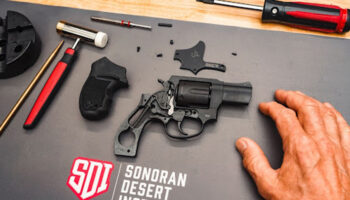
The programs are designed to culminate in substantial projects that reflect the skills students develop throughout their studies. In SDI’s Certificate in Firearms Technology – Gunsmithing program, students complete projects that may involve inspecting, measuring, fitting and documenting components of firearms. These capstone experiences mirror real-world assignments that technicians perform in repair shops and customization businesses.
Students work through every stage of the process, from planning and preparation to execution and documentation. The final product encompasses both the completed technical work and accompanying records, demonstrating attention to safety, accuracy and regulatory compliance. These capstone projects serve as the foundation of a strong portfolio, that reflects readiness for professional responsibilities.
In the Certificate in Uncrewed Technology—Aerial Systems program, students complete projects that can involve flight planning, operational procedures and regulatory study. They might prepare mission plans, analyze flight data, or create operational logs. These artifacts reflect the documentation and precision aerial operators bring to industries, such as construction, agriculture and infrastructure inspection.
Portfolios That Reflect Real-World Scenarios
A key strength of this approach is that the portfolio pieces students create mirror the real tasks performed in the field. Firearms students produce documentation similar to service records found in repair and customization shops. Aerial systems students generate operational plans and logs that align with the expectations of inspection or surveying companies for trained operators.
These projects show that students can handle responsibilities beyond basic technical work. They demonstrate an understanding of regulations, safety and professional reporting. For employers, this can make the difference between hiring someone who needs extensive additional training, and someone who can contribute meaningfully from the start.
Demonstrating Depth Through Specialization
Portfolios also highlight the depth of learning that focused tracks provide. The programs are focused on specific skill sets, and the artifacts students produce are not broad or generic in nature. Instead, they reflect specialized knowledge in firearms technology or aerial systems operations.
For example, a firearms student might present a series of documented repair procedures, showing their progression from basic inspections to complex modifications. An aerial systems student might present flight planning documents alongside regulatory compliance records, illustrating their ability to handle the operational and administrative sides of the field. This focused approach gives employers a clear picture of a candidate’s abilities.
Building Professional Habits Along the Way
Creating a project portfolio isn’t just about the final product; it’s also about the process that led to it. It’s about developing habits that mirror professional workflows. Throughout their programs, the students practice documenting their work, meeting deadlines, and following structured processes. These habits are reflected in their portfolios, which often include:
- Detailed project plans and preparation notes
- Step-by-step procedural documentation
- Clear, professional-quality images or diagrams
- Safety and regulatory compliance records
- Final reports or summaries suitable for client or supervisor review
By the time students complete their programs, they have not only gained technical skills, but also learned how to present their work in a manner that meets professional expectations.
Online Education with Practical Outcomes
The programs are delivered online, and students build these portfolios from their own learning environments. Firearms students set up home workstations to complete inspections and repairs under structured guidance. Aerial systems for students conduct operational planning, regulatory study and flight preparation from their personal study spaces.
This remote learning model does not diminish the quality of the work produced. Instead, it emphasizes organization, discipline and accountability, traits that are reflected in the portfolios themselves. Employers can see not just what students know, but how they apply their skills independently. Some students share that before enrolling, they carefully considered the Sonoran Desert Institute cost, weighing the value of building tangible proof of their abilities. For many, the opportunity to create a professional portfolio, while studying from home, feels strategic and practical.
Career Readiness Through Evidence of Skill
Graduates who complete SDI’s programs leave with more than transcripts. They have evidence of their work. Firearms technology graduates have gone on to pursue opportunities in repair shops, customization businesses, manufacturing and related industries. Aerial systems graduates have prepared for roles in inspection services, agricultural surveying and construction support. Employers value candidates who can show, not just tell, what they can do. A portfolio provides students with a means to demonstrate the specific skills they have developed, backed by the credibility of an accredited institution. This emphasis on demonstrable skills helps explain why the Sonoran Desert Institute’s cost resonates with many learners. Tuition covers access to accredited instruction, structured coursework and projects that yield tangible results, enabling students to apply their skills in the job market.
When prospective students ask, “What does the Sonoran Desert Institute cost?” The answer often emerges through the strength of the portfolios they build. Tuition represents access to structured education that turns learning into proof of skill. Through capstone projects and focused assignments, students create professional artifacts that support their career goals. Technical education that delivers real, demonstrable outcomes requires a clear and affordable path, and this model provides precisely that. By the time students complete their programs, they graduate with more than knowledge; they leave with proof of their skills.