

Key Takeaways
- The end of a long-term car leasing contract usually involves a formal vehicle return inspection and administrative closure of the agreement.
- Leasing companies assess mileage, wear and tear, and any outstanding obligations before finalising the contract.
- Drivers may need to pay excess mileage charges or repair costs if the vehicle condition falls outside acceptable standards.
- Some car leasing contracts allow drivers to extend the lease or replace the vehicle with a new lease agreement.
- Documentation, final payments, and account closure complete the end-of-lease process.
Introduction
The end of a long-term car leasing contract marks the final stage of a structured vehicle usage agreement between the driver and the leasing provider. Unlike vehicle ownership, where the owner decides when to sell or replace the car, car leasing follows a predefined timeline. Once the contract period concludes, several operational and administrative processes take place to formally close the agreement. These steps typically involve vehicle return procedures, condition assessments, financial adjustments, and documentation. Knowing what happens at this stage helps drivers prepare for the transition and avoid unexpected charges or delays.
Vehicle Return and Initial Inspection
One of the first things that happens at the end of a long-term car leasing contract is the return of the vehicle to the leasing company or an authorised inspection centre. The vehicle must be returned on or near the contract end date specified in the car leasing agreement.
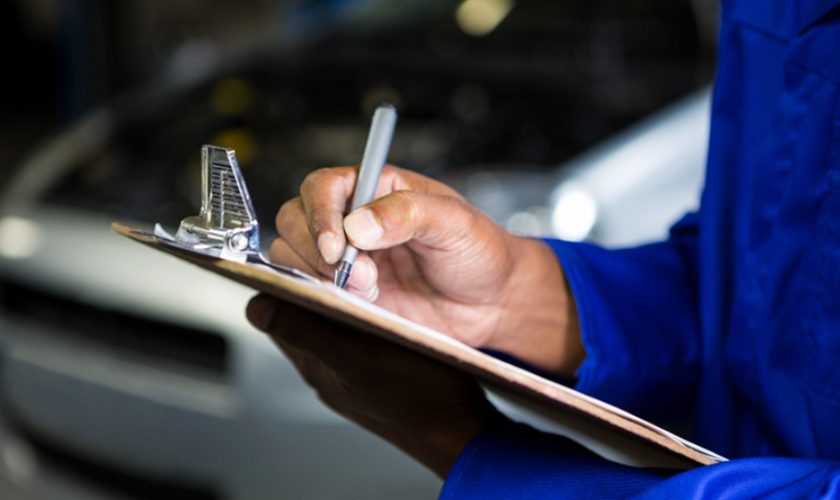
The leasing provider conducts an initial inspection during this stage to confirm that the vehicle matches the registered lease asset and that all required components are present. This inspection includes checking the keys, service records, manuals, and any accessories originally provided with the car. The inspection also verifies the vehicle identification number, registration details, and mileage reading.
The purpose of this stage is administrative verification. It ensures that the correct vehicle has been returned and that the leasing company can begin the formal condition evaluation process.
Wear and Tear Assessment
After the vehicle is returned, the leasing company performs a detailed wear and tear inspection. This assessment determines whether the vehicle condition falls within the acceptable usage standards defined in the long-term car leasing agreement.
Normal wear and tear typically includes minor scratches, small interior marks, or standard tyre usage expected during regular driving. However, damage beyond these limits may be classified as excessive wear. Examples include deep dents, cracked components, damaged upholstery, or missing parts.
Once excessive damage is identified, the leasing provider calculates repair costs based on the condition report. These costs are billed to the driver according to the terms of the car leasing contract. The inspection report usually includes photographs, written descriptions, and itemised charges.
Mileage Evaluation and Excess Charges
Mileage limits are a standard feature of most long-term car leasing agreements. The leasing company, at the end of the contract, compares the vehicle’s odometer reading with the agreed mileage allowance.
Once the driver exceeds the contracted mileage limit, excess mileage charges are applied. These charges are calculated per kilometre or mile beyond the permitted threshold and are specified in the car leasing contract.
The mileage evaluation is straightforward but significant because it directly affects the final financial settlement. Drivers who remain within the mileage limit typically avoid these additional costs, while those who exceed the allowance must settle the excess usage charges.
Final Financial Settlement
Once inspections and mileage evaluations are completed, the leasing company prepares the final financial statement. This document outlines any remaining obligations associated with the long-term car leasing contract.
The statement may include excess mileage fees, repair costs for excessive wear, unpaid monthly instalments, or administrative charges related to the lease closure. Once a security deposit was collected at the start of the car leasing agreement, it may be applied against these charges or refunded, depending on the final balance.
Drivers are usually required to settle any outstanding payments before the leasing company formally closes the account. This step ensures that the financial side of the agreement is completed in accordance with the contract terms.
Lease Extension or Replacement Arrangements
The end of a long-term car leasing contract also presents operational options related to continued vehicle use. Leasing providers may offer drivers the opportunity to extend the existing lease for a short period or transition to a new lease agreement for another vehicle.
An extension allows the driver to keep the current car for a defined period while maintaining the leasing structure. Alternatively, the driver may enter into a new car leasing contract with a different vehicle.
These arrangements are optional and depend on the leasing provider’s policies as well as the vehicle’s lifecycle within the leasing fleet.
Contract Closure and Documentation
The final step at the end of long-term car leasing is the formal closure of the lease agreement. After inspections, financial settlements, and administrative verification are completed, the leasing company finalises the contract records.
This process includes issuing confirmation that the vehicle has been returned, documenting the inspection outcomes, and recording that all contractual obligations have been fulfilled. The leasing account is then closed in the provider’s system.
Once this stage is complete, the car leasing contract is officially concluded, and the driver’s obligations under that agreement come to an end.
Conclusion
The end of a long-term car leasing contract involves a sequence of structured procedures designed to close the agreement properly. Vehicle return, condition inspections, mileage checks, and financial settlements form the core steps in the process. These activities ensure that both the leasing company and the driver meet the contractual requirements of the car leasing arrangement. Drivers can prepare for the inspections, review mileage usage, and complete the necessary documentation without complications by understanding what happens during this final stage.
Contact Eurokars Leasing to secure your next lease before your current contract closes.