

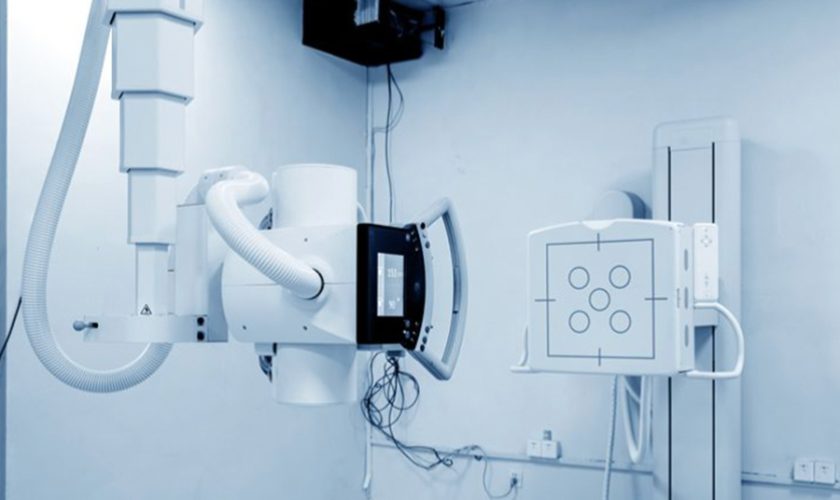
When seeking to comprehend how a single scientific discovery revolutionised healthcare and several sectors, many individuals look up the person who invented the X-ray machine. The invention is credited to Wilhelm Röntgen, a German physicist who accidentally uncovered X-rays in 1895 while experimenting with electrical currents in vacuum tubes. His findings changed the world almost immediately, allowing doctors to see inside the human body without surgery. Over time, the technology expanded far beyond medicine, influencing security, engineering, research, and everyday tools. Exploring these influences shows how one moment of scientific curiosity continues to improve lives more than a century later.
1. Revolutionising Medical Diagnosis With Clearer Visibility
The most recognisable impact of Röntgen’s discovery lies in medical imaging. Before X-rays, identifying broken bones or hidden injuries involved guesswork or invasive procedures. X-ray machines allowed doctors to see fractures, joint dislocations, lung conditions, and dental issues with clarity. These images made healthcare safer, faster, and more accurate. Modern digital imaging systems reduce radiation exposure and provide sharper results, making diagnostic work more reliable. This ability to view the body non-invasively remains one of the strongest contributions of the original discovery.
2. Improving Early Detection For Better Health Outcomes
Early detection saves lives, and X-rays play a central role in this process. Mammograms rely on X-ray technology to identify early signs of breast cancer. Chest X-rays help detect pneumonia, tuberculosis, and heart enlargement. Dental X-rays reveal hidden decay, gum issues, and bone loss. These screenings allow individuals to address concerns before they become severe. The technology supports preventive care, helping people stay informed about their health and make timely decisions. Without this invention, many conditions would go unnoticed until they reached dangerous stages.
3. Enhancing Safety Measures Through Efficient Security Screening
Beyond hospitals, X-ray technology strengthens public safety. Airport security relies on X-ray scanners to inspect luggage quickly and effectively. These machines help identify concealed objects that may pose risks, allowing security teams to respond appropriately. Event venues, government offices, and private buildings use similar scanners to screen bags and protect visitors. This non-intrusive approach improves flow and reduces manual checks, making security processes more efficient. Röntgen’s discovery indirectly supports safer travel and public environments everywhere.
4. Supporting Industrial Work Through Non-Destructive Testing
Industries benefit from X-ray technology through non-destructive testing. Engineers inspect aircraft parts, machinery, metal welds, and pipelines without cutting or dismantling them. X-ray scans reveal cracks, weak spots, or irregularities that could cause equipment failure. This helps companies maintain safety and reliability across construction, aviation, manufacturing, and energy sectors. The practicality of detecting hidden flaws strengthens maintenance practices and reduces the risk of accidents. These applications highlight how a medical discovery expanded into a critical industrial tool.
5. Advancing Scientific Research And Material Analysis
Scientists depend on X-ray techniques to study the structures of crystals, minerals, and chemicals. X-ray diffraction allows researchers to examine how atoms arrange themselves, leading to discoveries in electronics, renewable energy, and pharmaceuticals. Laboratories use X-ray imaging to analyse fossils, detect mineral compositions, and reveal hidden layers in artefacts. These tools push scientific boundaries and help researchers understand materials at the microscopic level. The discovery continues to support innovation in fields that shape future technology.
6. Influencing Everyday Technology In Unexpected Ways
The principles behind X-ray imaging appear in everyday tools. Quality control systems in food factories use imaging to inspect products before packaging. Art restorers use X-ray imaging to uncover earlier paint layers or verify authenticity in historic pieces. Smartphone depth sensors rely on imaging concepts inspired by scientific developments. These examples show how deeply embedded X-ray principles are in daily routines. Even when people do not notice, the invention shapes countless moments of convenience and safety.
7. Helping Museums And Cultural Institutions Preserve History
Museums and conservation centres use X-rays to protect and analyse artefacts. Curators scan statues, paintings, and historical objects to detect internal damage, verify age, or reveal hidden workmanship. This information helps guide restoration work and provides insights into how past civilisations created their artefacts. X-ray imaging supports cultural preservation by offering a safe, non-invasive method for studying fragile pieces. Through this, Röntgen’s discovery contributes to safeguarding heritage across the world.
Conclusion
Röntgen’s breakthrough created far-reaching change that influences modern life in ways many people do not realise. From medical diagnostics to airport security, scientific research, and historical preservation, X-ray technology remains one of the most important scientific developments in history. Understanding its impact gives greater appreciation for how one discovery continues to shape the world.
Visit Taste of SG to learn more about how science and daily discoveries are influencing Singapore.