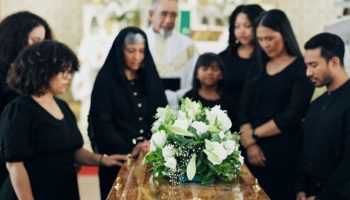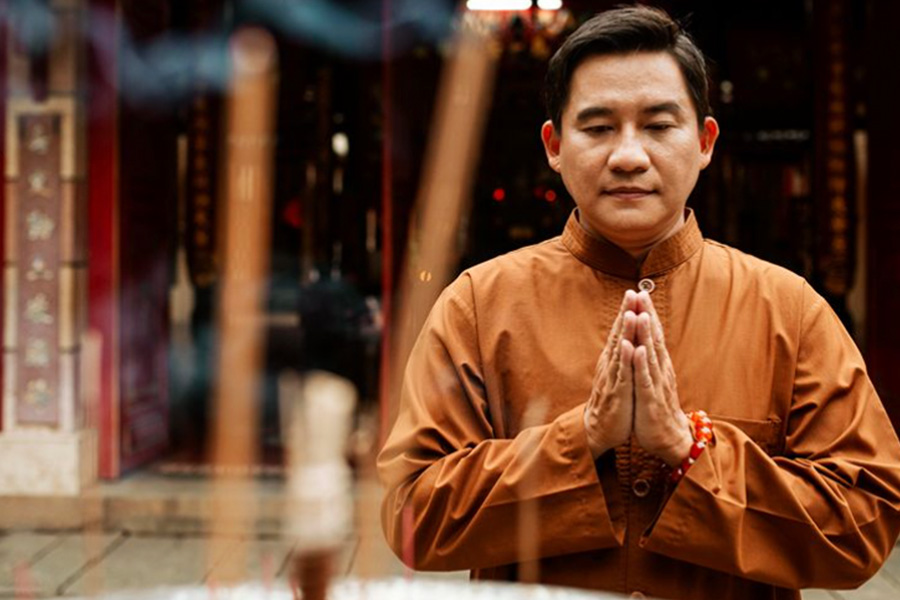
Buddhist funeral services are often discussed with confidence, yet many families in the city-state still hold assumptions about how these ceremonies should unfold. Modern practices vary significantly across communities, and the differences can create confusion when families begin planning.
Learn the truth behind common misconceptions to help families make decisions grounded in clarity rather than outdated beliefs.
Misconception 1: All Buddhist Funeral Services Follow the Same Rituals
Many people assume that all Buddhist funeral services share a uniform structure, but the truth is that practices differ widely across traditions. Chinese Buddhism, Thai Buddhism, Tibetan Buddhism, and other branches each have their own chants, rites, and expectations for the wake. Families often become surprised when they realise that even the duration of the funeral, the items placed on the altar, and the type of chanting required depend on the specific lineage their loved one followed. This instance is why speaking with the funeral director or a temple representative is essential before deciding on the ceremonial details.
Misconception 2: A Longer Wake Means Greater Merit
Some families believe that extending the wake over more days leads to better blessings for the deceased. In practice, the length of Buddhist funeral services is flexible and often determined by family availability, priest schedules, and venue arrangements. There is no doctrinal requirement that a longer wake generates more merit. Instead, merit is accumulated through sincere acts such as offering prayers, performing dana (giving), and observing good conduct. Focusing on compassionate actions rather than duration helps families plan a more meaningful service without unnecessary pressure.
Misconception 3: Monks Must Always Be Present Throughout the Entire Wake
Another common assumption is that monks must be physically present at all times during the funeral. In reality, monks usually lead specific rituals, such as chanting sessions, sutra recitations, and final rites, rather than staying for the entire duration of the wake. Many families planning funeral services worry unnecessarily about coordinating monk availability. Understanding that monks typically return only for designated ceremonies helps reduce anxiety and allows families to plan more efficiently.
Misconception 4: Cremation Is the Only Buddhist Practice Allowed
While cremation is widely practised, it is not the only option within Buddhist beliefs. Many families choose cremation since it is simple, respectful, and aligned with teachings on impermanence. However, burial is also acceptable in several Buddhist communities, particularly among older generations or specific cultural groups. The misconception that cremation is mandatory can limit families’ choices when, in fact, Buddhist funeral services are flexible and can accommodate different preferences as long as they uphold values of compassion and respect.
Misconception 5: Buddhist Funerals Are Always Minimal and Quiet
Some imagine Buddhist funerals as restrained and purely contemplative. Although simplicity is a core principle, the actual atmosphere depends on cultural influences. Chinese Buddhist funerals often include a steady stream of chanting, offerings, and visitors paying respects. Thai Buddhist funerals may incorporate unique tones and rituals. Rather than a strict rule, the level of activity reflects family traditions and the spiritual lineage of the deceased. Understanding this helps families avoid unrealistic expectations about how “quiet” or “elaborate” the ceremony should be.
Misconception 6: Only Chanting Matters During the Funeral
Chanting is essential, but it is not the sole component of a meaningful Buddhist funeral service. The values of mindfulness, compassion, and letting go shape the entire process. Simple acts, such as offering flowers, maintaining a calm environment, or supporting the grieving family, carry as much weight as the formal rites. Families planning funeral services in Singapore often overlook these smaller gestures, yet they play a vital role in honouring the deceased’s journey with dignity.
Conclusion
Understanding the realities behind these misconceptions helps families plan with confidence, especially when navigating the variety of Buddhist funeral services available today. Once families recognise that rituals differ across traditions, that merit is not tied to ceremony length, and that practices can be adapted with compassion, they can make clearer decisions during an emotionally demanding time. Choosing the right approach becomes less about fulfilling assumptions and more about creating a respectful farewell aligned with the values of the deceased.
Contact Casket Fairprice and let us help you make thoughtful, culturally aligned decisions during a difficult time.